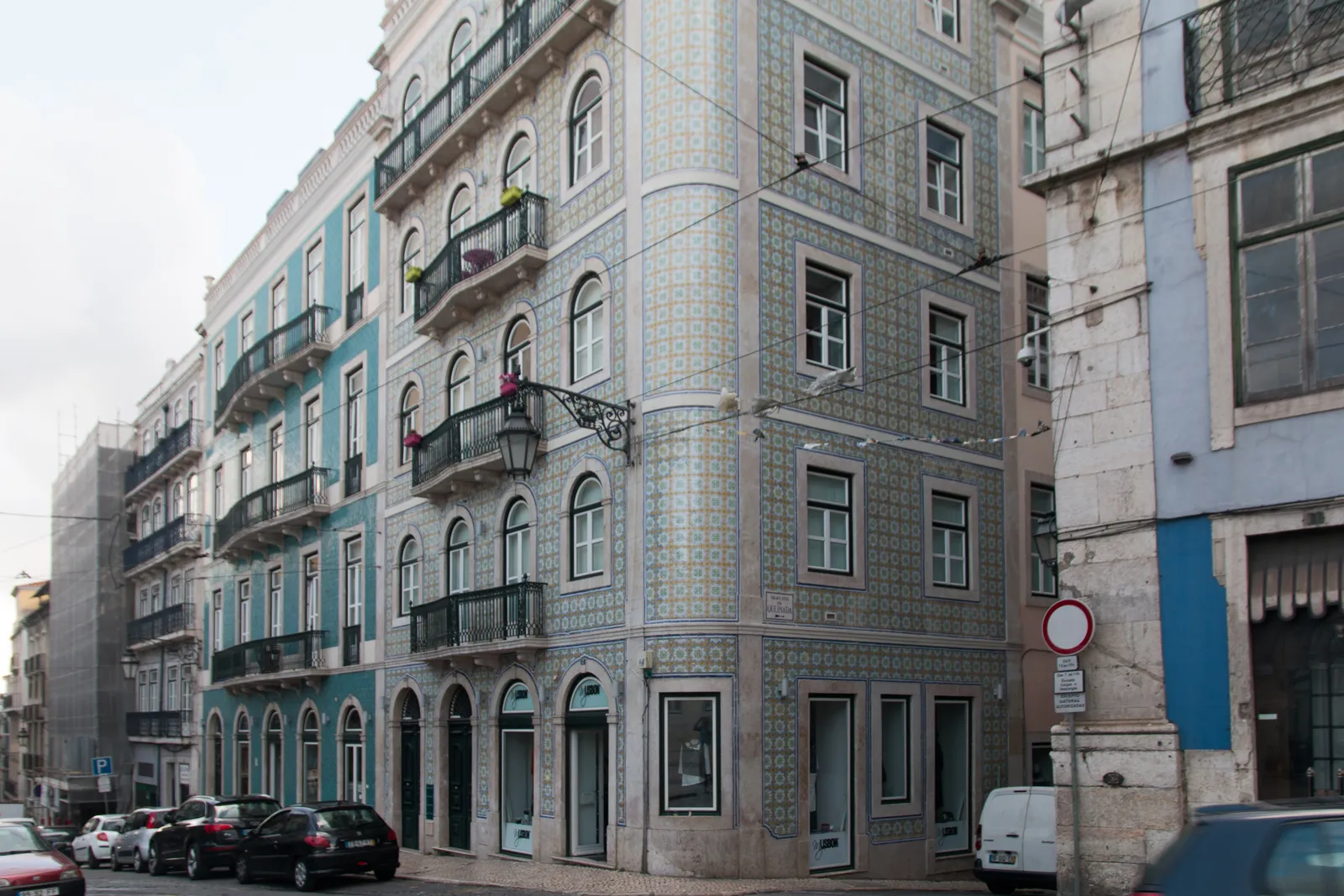
Bairro Alto
A grid of steep, narrow streets above Chiado: quiet and walkable by day, packed with small bars at night
Listing reviewed October 2026 · Confirm hours and prices with the official venue before visiting
Opening Hours
Public streets
Admission Price
Free Entry
Visit Duration
About 1 hour on foot by day; 2–4 hours for an evening out
About This Attraction
How useful Bairro Alto is depends on when your ship sails. On a typical day call the nightlife it is known for does not start until after most ships have left, so treat it as a daytime walk that links Chiado, São Roque church and the São Pedro de Alcântara viewpoint. If your ship stays overnight or sails late, it is the obvious place for an evening out. From the terminal the walk is about 2.5 km and 37 minutes, with a steep last stretch. The easier way is to walk about 10 minutes to Santa Apolónia, take the metro Blue Line to Baixa-Chiado and leave by the Chiado exit, which brings you out at Largo do Chiado; Bairro Alto starts a couple of minutes uphill, across Rua da Misericórdia. A taxi takes about 10 minutes. By day, an hour is enough. Walk up Rua da Misericórdia to São Roque and the viewpoint, then come back down through the grid on Rua da Rosa, Rua do Norte or Rua da Atalaia. Many bars are shuttered until evening, and the walls are heavily tagged; some find that charming, others do not. Lunch at one of the small tascas is the best reason to linger. At night, the streets are most crowded from about 22:00 to 02:00, especially Thursday to Saturday. Since February 2026 Lisbon has banned selling drinks for consumption in the street from 23:00 (Sunday to Thursday) and from midnight (Friday, Saturday and the eve of public holidays), so the 'buy a drink at the window and stand outside' culture is now limited to earlier hours or to licensed terraces. Pickpocketing is common in the late-evening crowds, and the cobbles are slippery when wet. If you are returning to the ship at night, take a taxi or ride-hailing car to the terminal rather than walking down.
History
Bairro Alto was laid out from 1513 as a planned extension of the city, first called Vila Nova de Andrade after Bartolomeu de Andrade, who owned the land. Its regular grid of straight streets was unusual for Lisbon at the time. The Jesuits' arrival at São Roque in 1553 drew aristocratic families to the area. Built on firmer ground than the Baixa, it largely survived the 1755 earthquake. In the 19th and 20th centuries it became Lisbon's newspaper district, with printing works and the offices of the Diário de Notícias. As the presses moved out in the late 20th century, cheap rents brought bars, fado houses and designers, and the district's reputation for nightlife dates from the 1980s.
Why It Matters
Bairro Alto is one of the clearest surviving examples of planned 16th-century urban design in Lisbon, and its grid still shapes how the area is used: tiny ground-floor bars and tascas below residential flats. That mix is also its main tension, between residents and nightlife, and it explains the city's 2026 limits on street drinking.
Photo Gallery
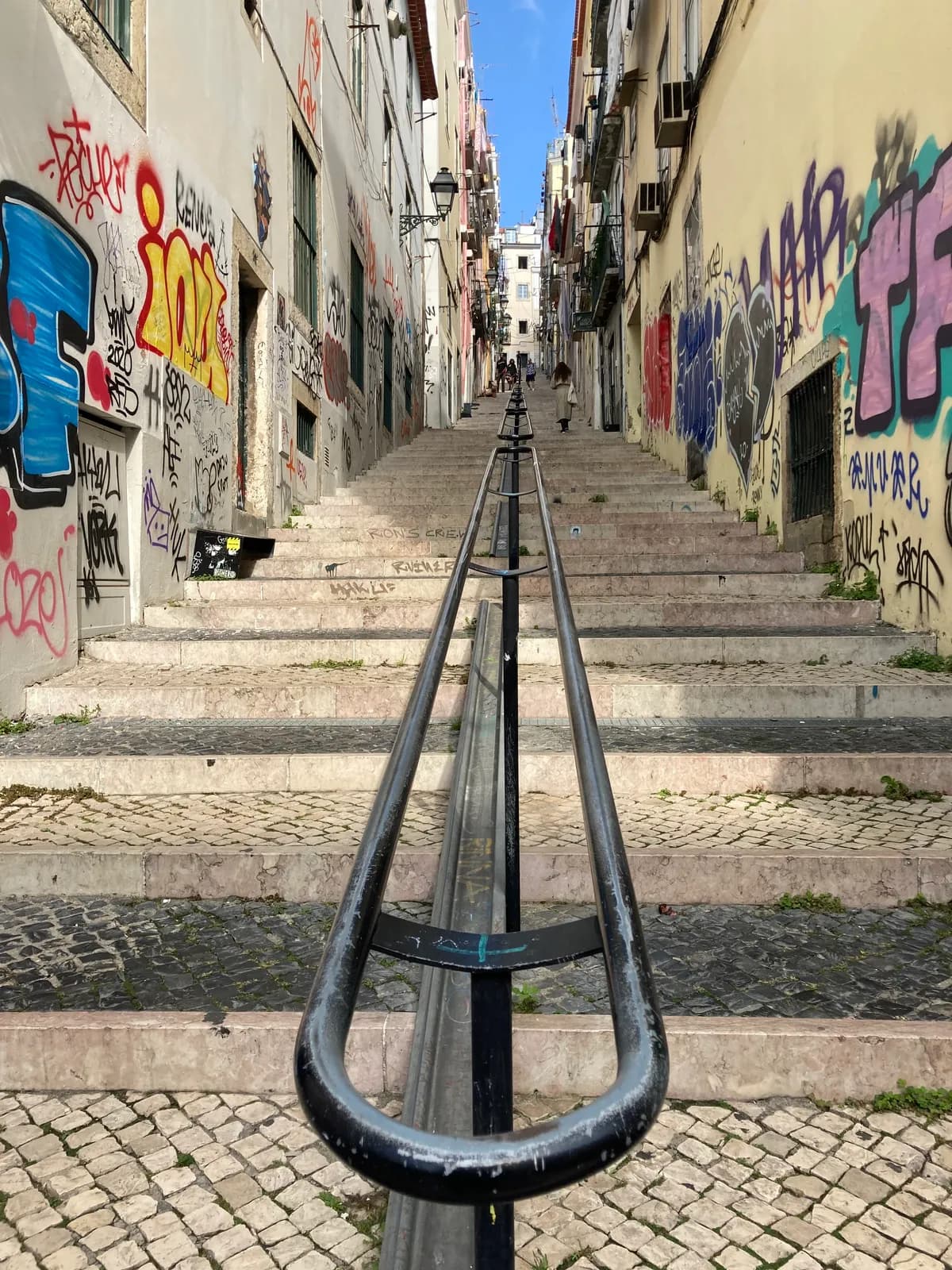
Bairro Alto. Photo: Dudva, CC BY-SA 4.0, via Wikimedia Commons
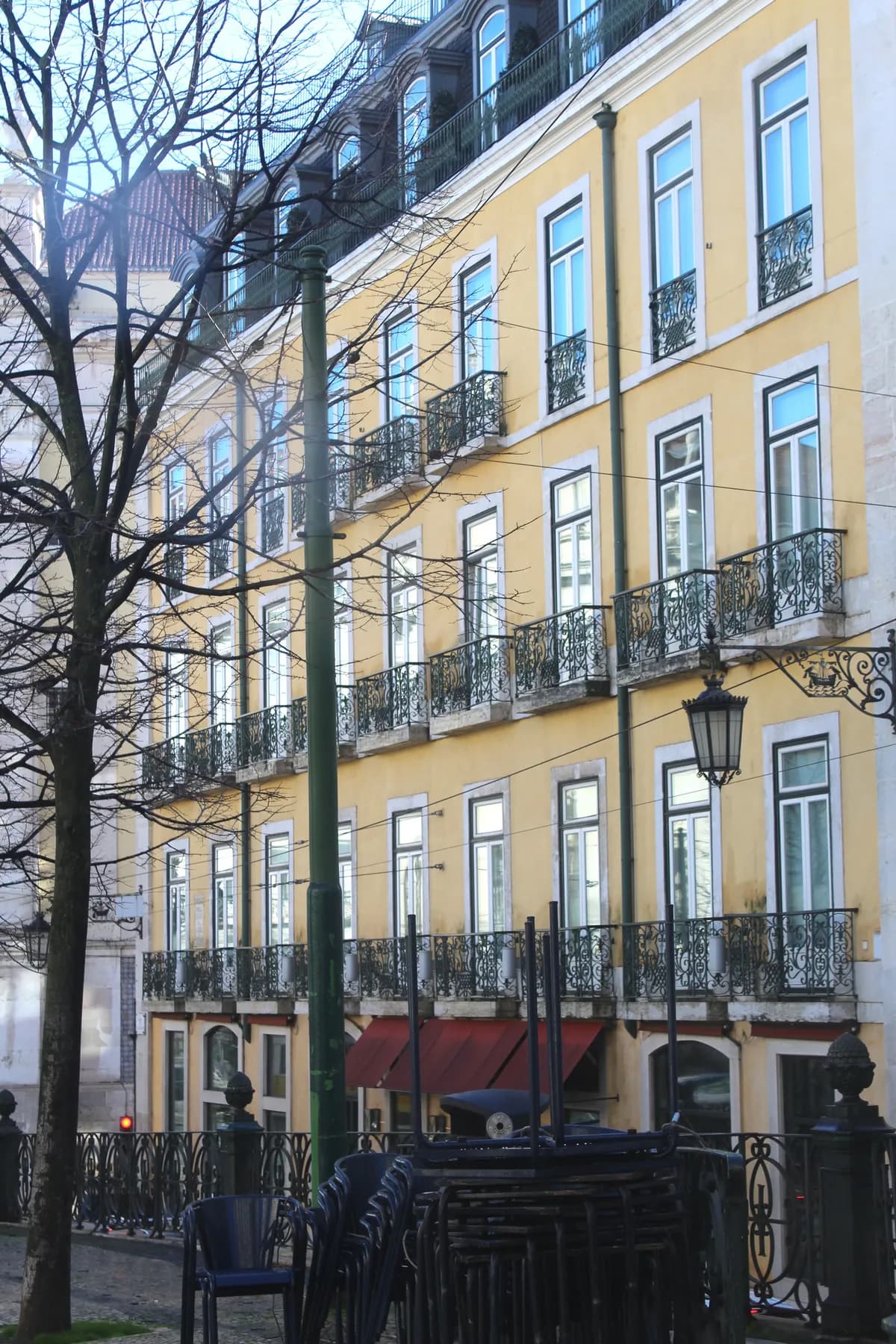
Bairro Alto. Photo: Dguendel, CC BY 4.0, via Wikimedia Commons
Tips for Cruise PassengersEssential Info
Steep, narrow cobbled streets with uneven pavements. The metro to Baixa-Chiado (Chiado exit) removes most of the climb from the river; a taxi to Largo do Camões or São Pedro de Alcântara removes the rest.
Time from port: About 2 hours for a daytime walk including the metro both ways; 3–4 hours for an evening out on an overnight or late-departure call
On a day call, walk Bairro Alto by daylight as a link between Chiado, São Roque church and the São Pedro de Alcântara viewpoint; the bars mostly open after typical sail-away times.
Take the metro Blue Line from Santa Apolónia to Baixa-Chiado and use the Chiado exit to skip most of the climb.
Start at the top, at the São Pedro de Alcântara viewpoint, and walk downhill through the grid to Largo do Camões.
On an overnight call, the streets are liveliest from about 22:00, Thursday to Saturday.
Since February 2026, bars cannot sell drinks to take into the street after 23:00 (midnight on Fridays, Saturdays and holiday eves); after that, drink inside or on a licensed terrace.
Keep valuables zipped away in the late-evening crowds, where pickpockets operate.
Take a taxi or ride-hailing car back to the terminal at night instead of walking down to the river.
Allow about 37 minutes to walk back to the ship, or around 25 minutes via Baixa-Chiado metro and Santa Apolónia.
What Makes This Special
- star16th-century street grid, one of Lisbon's earliest planned districts
- starSmall ground-floor bars and tascas
- starIgreja de São Roque on Largo Trindade Coelho
- starMiradouro de São Pedro de Alcântara at the northern edge
- starFado houses with evening dinner shows
- starStreet-level nightlife on overnight calls
Getting There
Address
N/A - Entire neighborhood, Lisbon
From Cruise Port
About 2.5 km and 35-40 minutes on foot, the last part steeply uphill. Easier: metro Blue Line from Santa Apolónia (10 minutes' walk from the terminal) to Baixa-Chiado and take the Chiado exit, which removes most of the climb; Bairro Alto starts a few minutes' walk away. The Elevador da Glória funicular has been closed since the September 2025 accident. Taxi about 10 minutes.
Nearby Attractions
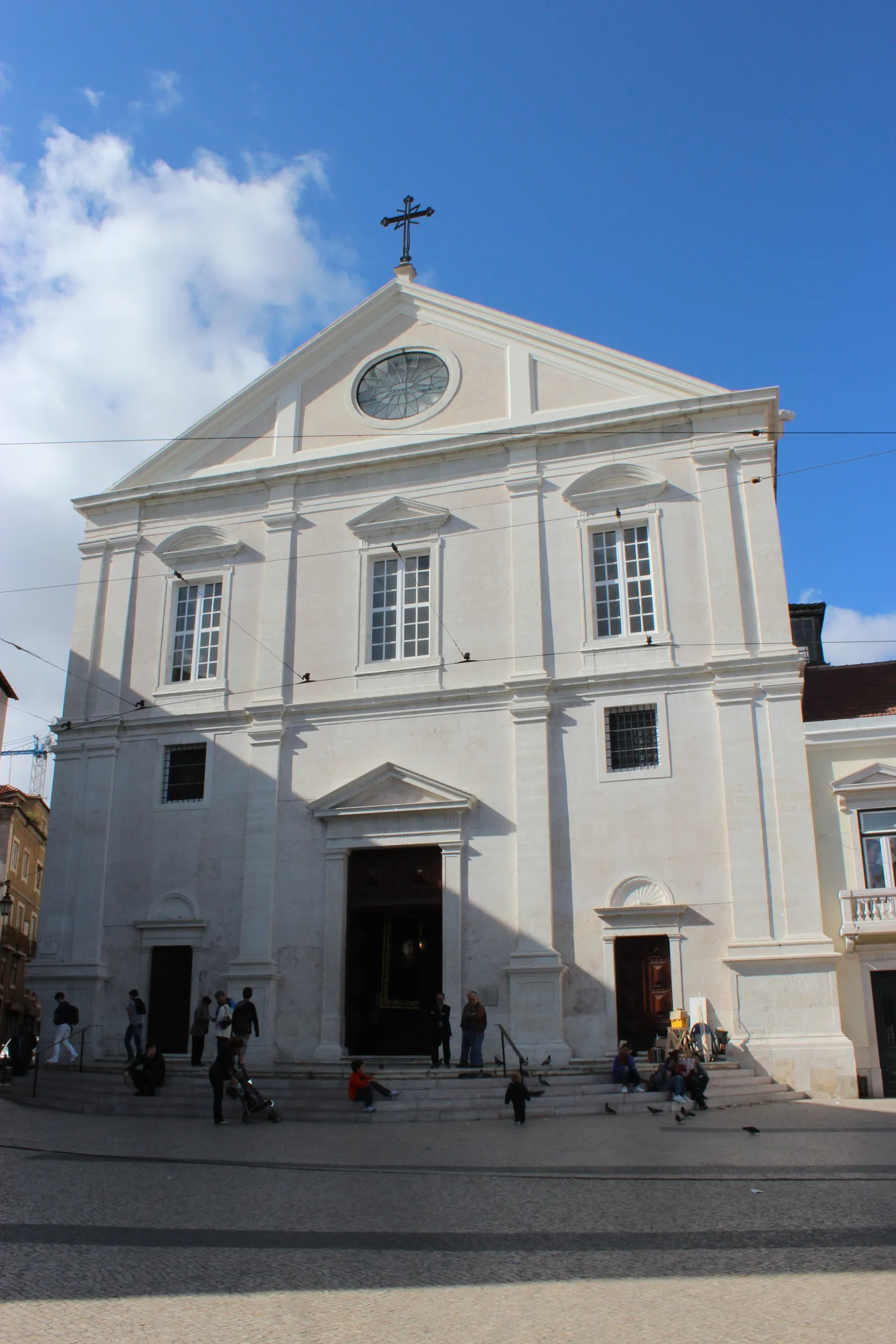
Igreja de São Roque
A plain-fronted Jesuit church in Bairro Alto with a gilded interior, free to enter, and a paid museum next door
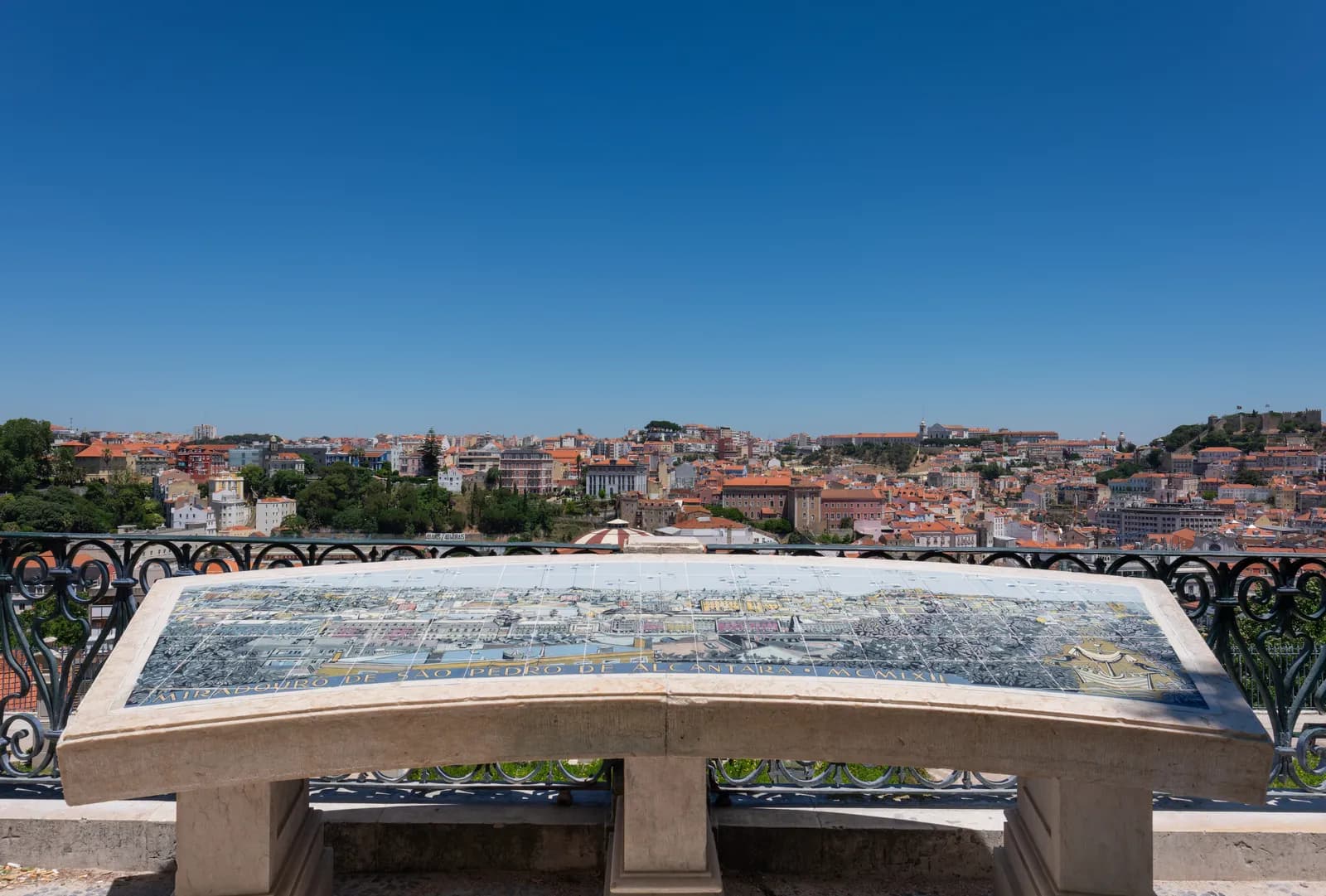
Miradouro de São Pedro de Alcântara
A free two-level garden terrace in Bairro Alto looking east across the Baixa to the castle
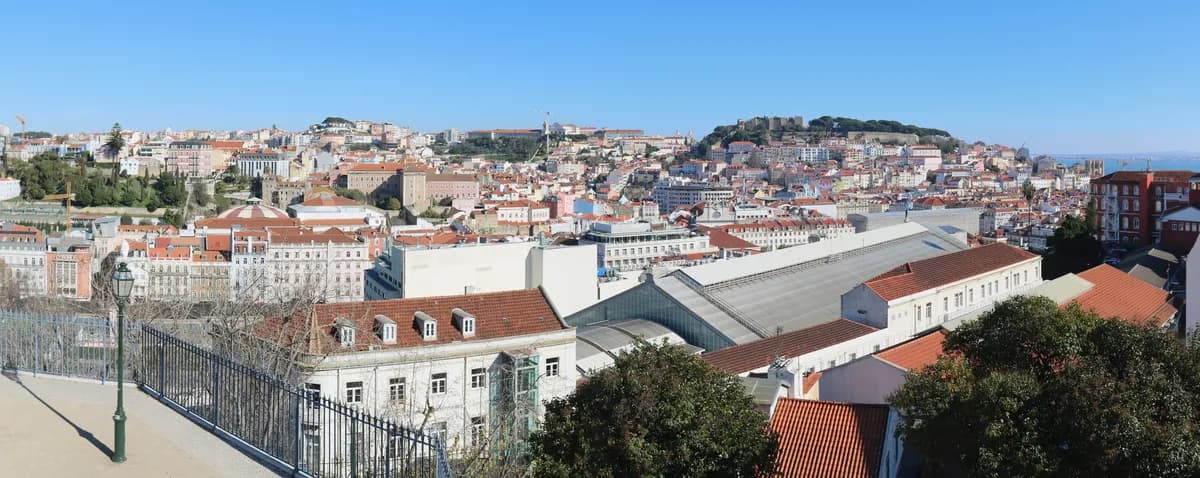
PARK Rooftop Bar
A bar on the roof of a car park on Calçada do Combro, looking west over Bica to the river and the 25 de Abril Bridge
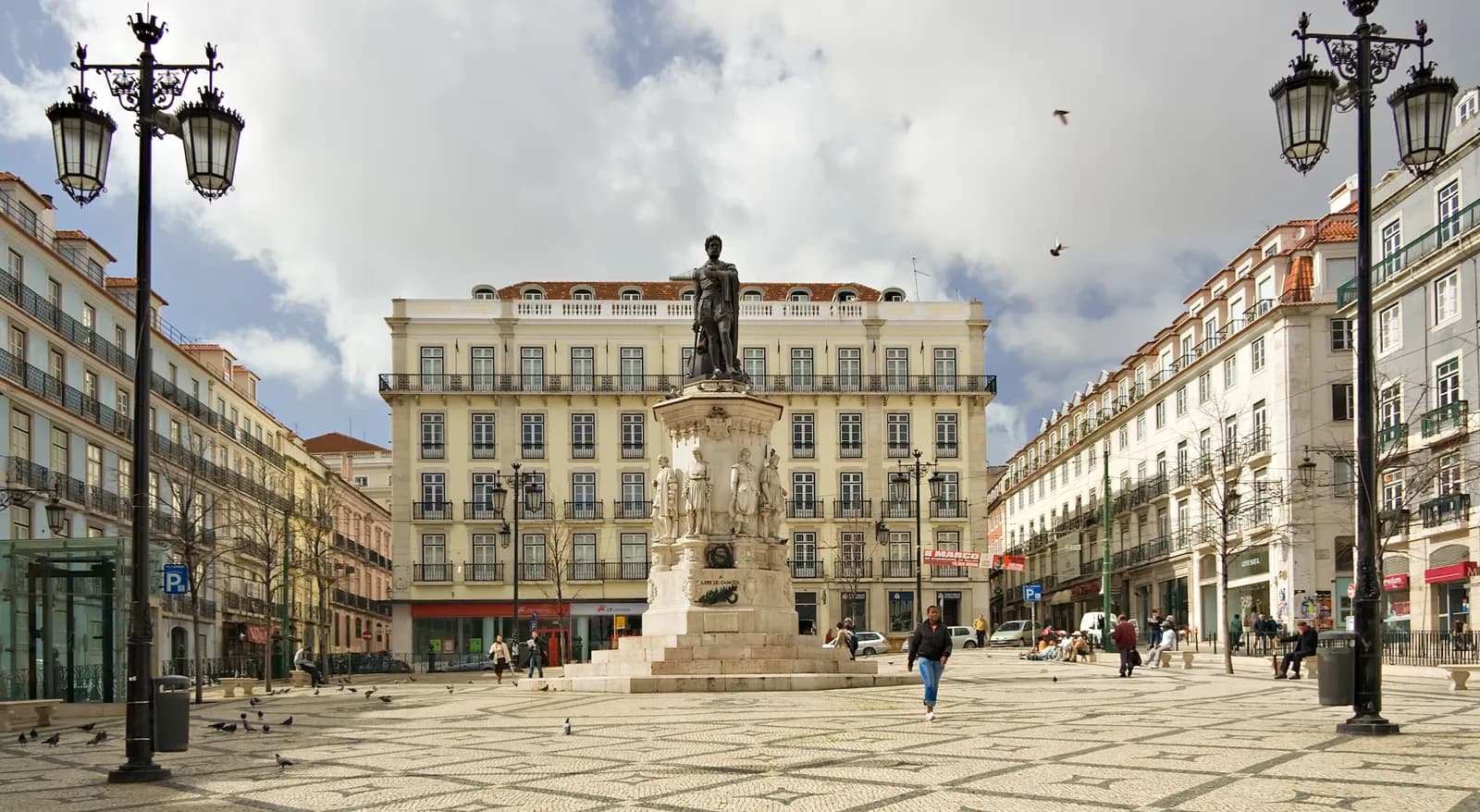
Chiado
Lisbon's café and bookshop quarter, 25 minutes' walk or two metro stops from the ship