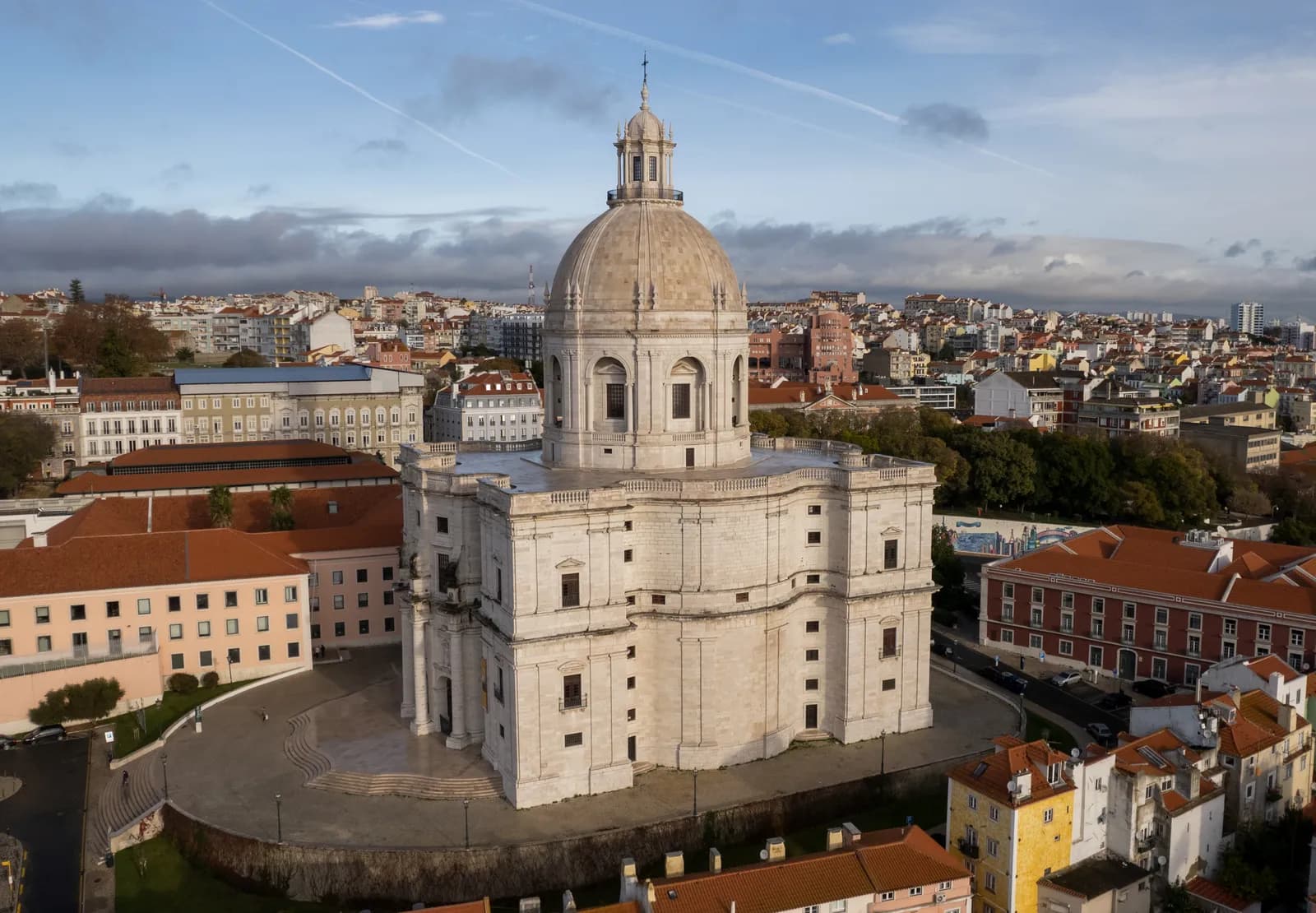
Panteão Nacional (National Pantheon)
Portugal's state pantheon, 10 minutes uphill from the ship, with an open-air terrace around the dome.
Listing reviewed October 2026 · Confirm hours and prices with the official venue before visiting
Opening Hours
10:00 - 18:00
Admission Price
€10 per adult
Visit Duration
45 minutes to 1 hour
About This Attraction
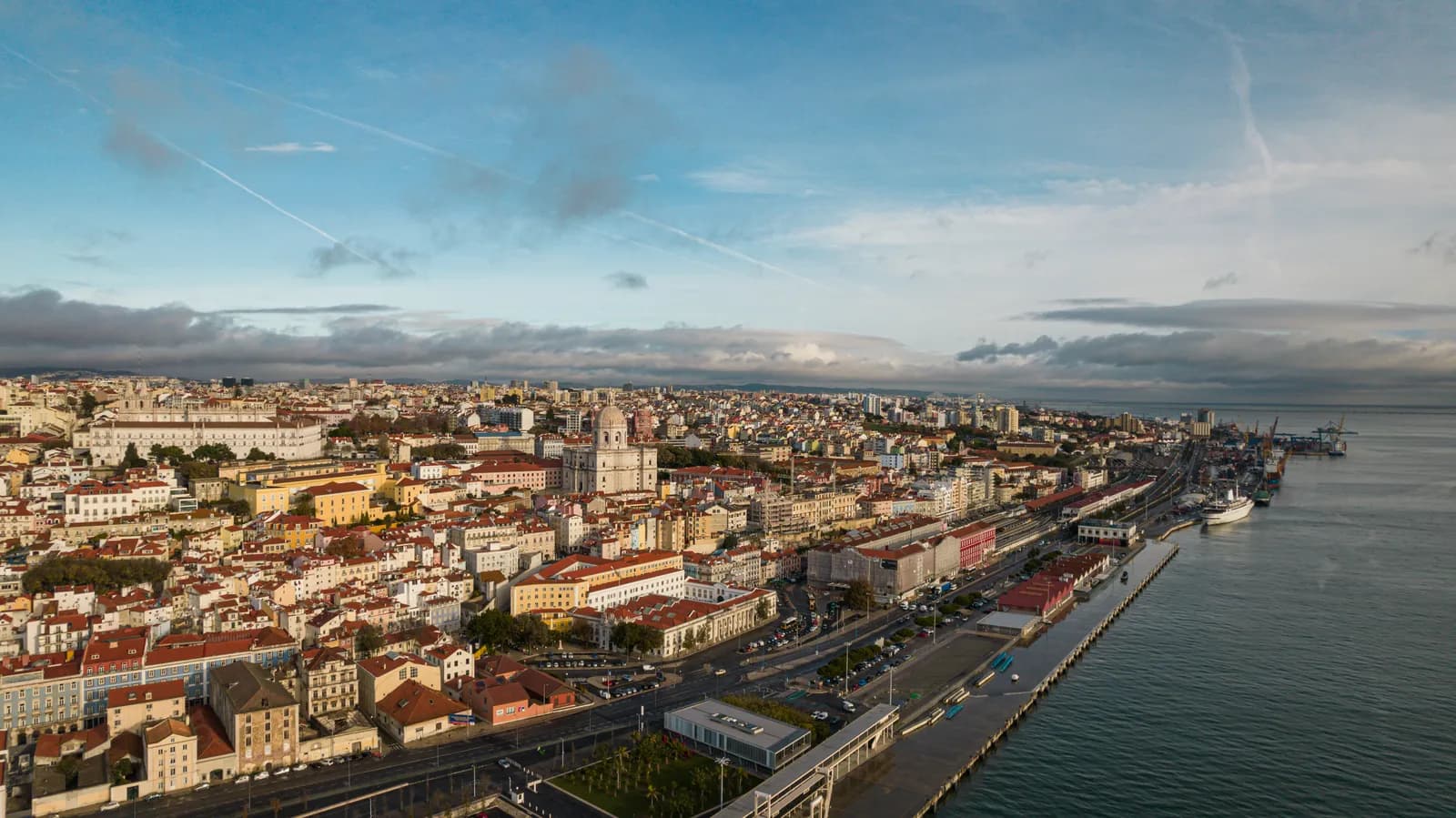
The Panteão Nacional is the closest major monument to the cruise terminal: about 600 m and 10 minutes on foot, uphill into the Santa Clara quarter. Its white dome is visible from the quay, so you can steer by it. That makes it a good first or last stop on a port day, or a complete outing if you only have two hours ashore. It opens Tuesday to Sunday at 10:00 and is closed on Mondays, so check the day before you plan around it. The adult ticket is €10 (2026), sold at the door or online through the Museus e Monumentos de Portugal ticket office; the Lisboa Card covers it. The visit takes 45 minutes to an hour. If time is short, give ten minutes to the nave and the tombs at floor level, including those of the fado singer Amália Rodrigues and the footballer Eusébio, then go up to the open-air terrace around the base of the dome. From there you look down over the cruise terminal and the river, across Alfama to the castle, and west towards the 25 de Abril Bridge. The terrace is the main reason to come. On Tuesdays and Saturdays the Feira da Ladra flea market fills Campo de Santa Clara outside the door. It slows the approach and crowds the square, but it is also a reason to come on those days; keep valuables zipped. The 10:00 opening is the simplest time to avoid queues and groups. Do not spend long on the cenotaphs to Vasco da Gama, Camões and other navigators if you are short of time: they are memorials, not graves. The building was a church left unfinished for nearly three centuries and only completed as the National Pantheon in 1966, which is why the interior feels more like a state monument than a place of worship.
History
A church dedicated to Santa Engrácia was founded here in the second half of the 16th century by Infanta Maria, daughter of Manuel I. It was rebuilt from the late 17th century to a design by the architect João Antunes, but stood without a roof until the 1960s, giving Portuguese the expression 'obras de Santa Engrácia' for work that never ends. Legend blames a curse by Simão Pires, burned after being wrongly accused of stealing relics from the church. A 1916 law designated it as the National Pantheon, but only in 1964–66 did the Estado Novo regime add the concrete double dome, clad in lioz limestone. It opened in 1966. Eça de Queirós was moved here in January 2025.
Why It Matters
This is where Portugal honours national figures by law. The tombs include presidents, the writers Almeida Garrett, Sophia de Mello Breyner Andresen and Eça de Queirós, the fado singer Amália Rodrigues and the footballer Eusébio. Cenotaphs commemorate Vasco da Gama, Luís de Camões, Pedro Álvares Cabral and Henry the Navigator, whose remains lie elsewhere. It has been a national monument since 1910, and for a cruise passenger it is the closest high viewpoint to the ship.
Photo Gallery
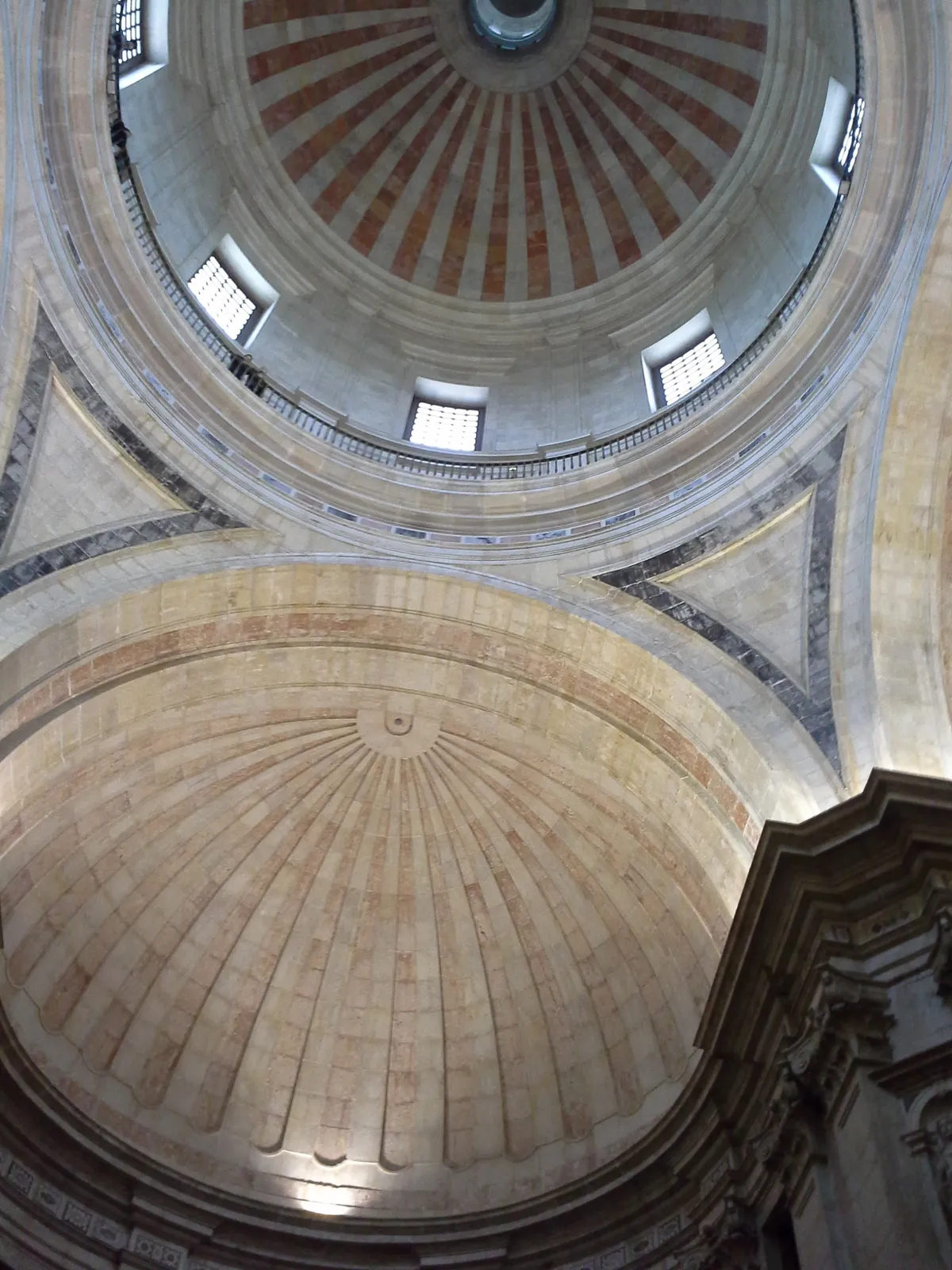
Panteão Nacional (National Pantheon). Photo: Paulo.boto, CC BY-SA 4.0, via Wikimedia Commons
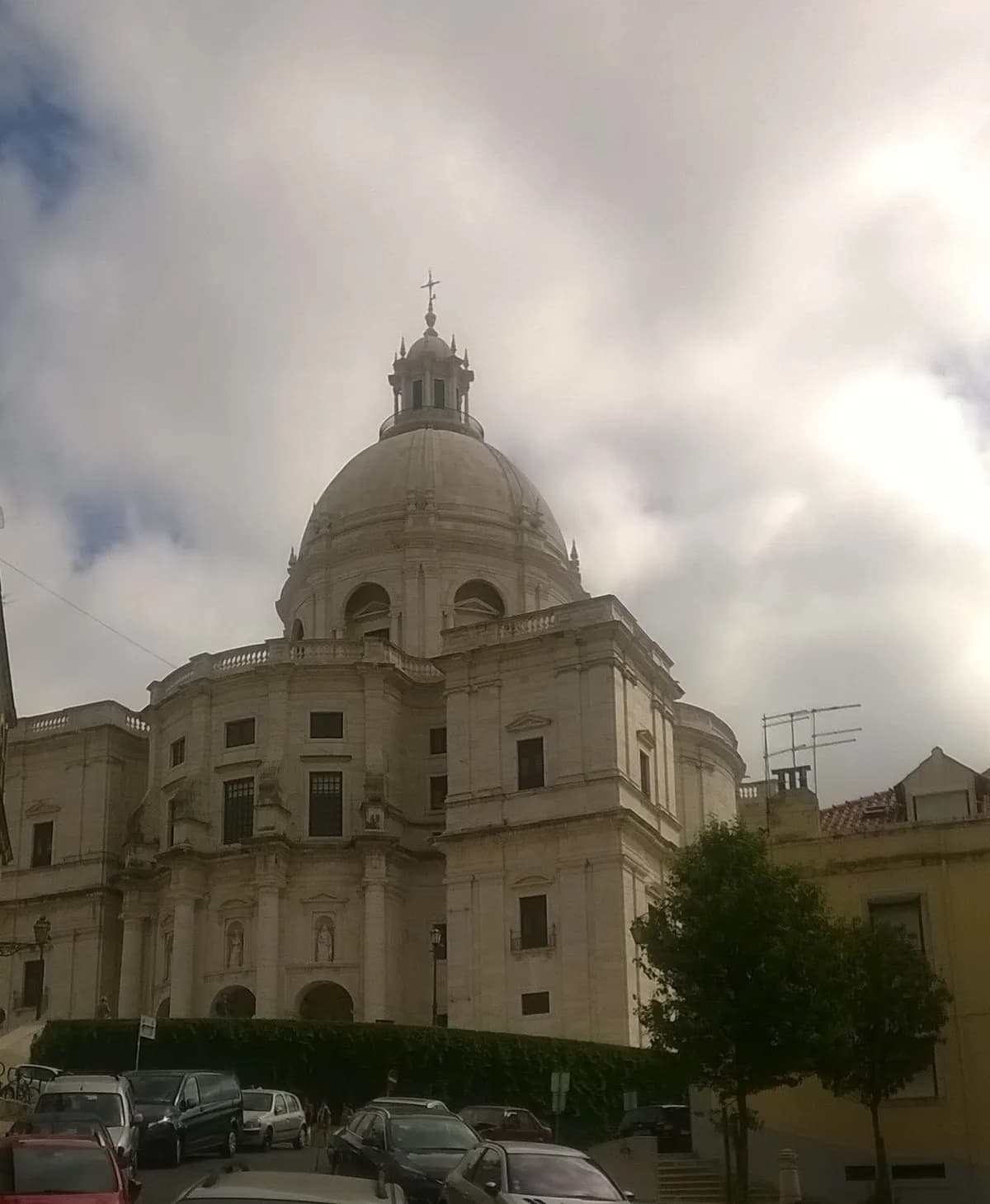
Panteão Nacional (National Pantheon). Photo: Adrianommb, CC BY-SA 4.0, via Wikimedia Commons
Tips for Cruise PassengersEssential Info
Ten minutes uphill on cobbles from the terminal. The main floor is reachable; the upper gallery and the dome terrace involve stairs, so ask staff about lift access before you start.
Time from port: 1.5–2 hours, including the 10-minute walk each way
Closed on Mondays, and on 1 January, Easter Sunday, 1 May, 13 June and 24–25 December; plan another stop if your port day falls on one of these.
Walk: about 10 minutes uphill from the terminal into the Santa Clara quarter. Use the white dome as your landmark.
The adult ticket is €10 at the door (€10.62 online with the booking fee); the Lisboa Card covers entry.
If cloud is coming in, go up to the dome terrace first: it is the part of the visit that depends on the weather.
On Tuesdays and Saturdays the Feira da Ladra flea market fills the square outside; allow extra time and keep bags closed.
April to September last entry is 17:30 and closing 18:00; October to March it closes at 17:00, so leave a margin before all-aboard.
The cenotaphs to Vasco da Gama, Camões and other navigators are memorials only; Amália Rodrigues, Eusébio and Eça de Queirós are buried here.
Ask at the ticket desk about lift access before you go up: the gallery and terrace involve stairs.
What Makes This Special
- starOpen-air terrace around the base of the dome, overlooking the river, the cruise terminal, Alfama and the castle
- starTombs of Amália Rodrigues, Eusébio, Almeida Garrett, Sophia de Mello Breyner Andresen and Eça de Queirós
- starCenotaphs to Vasco da Gama, Camões, Pedro Álvares Cabral and Henry the Navigator
- starBaroque nave in coloured marble, designed by João Antunes
- starMain portals with sculpture attributed to Claude Laprade
- starConcrete double dome, clad in lioz limestone, completed in 1966
- starAbout 10 minutes' walk from the ship; Feira da Ladra flea market outside on Tuesdays and Saturdays
Getting There
Address
Campo de Santa Clara, Lisbon
From Cruise Port
About 600 m and 10 minutes on foot from the terminal, uphill into the Santa Clara quarter (the Feira da Ladra flea market runs alongside on Tuesdays and Saturdays).
Nearby Attractions
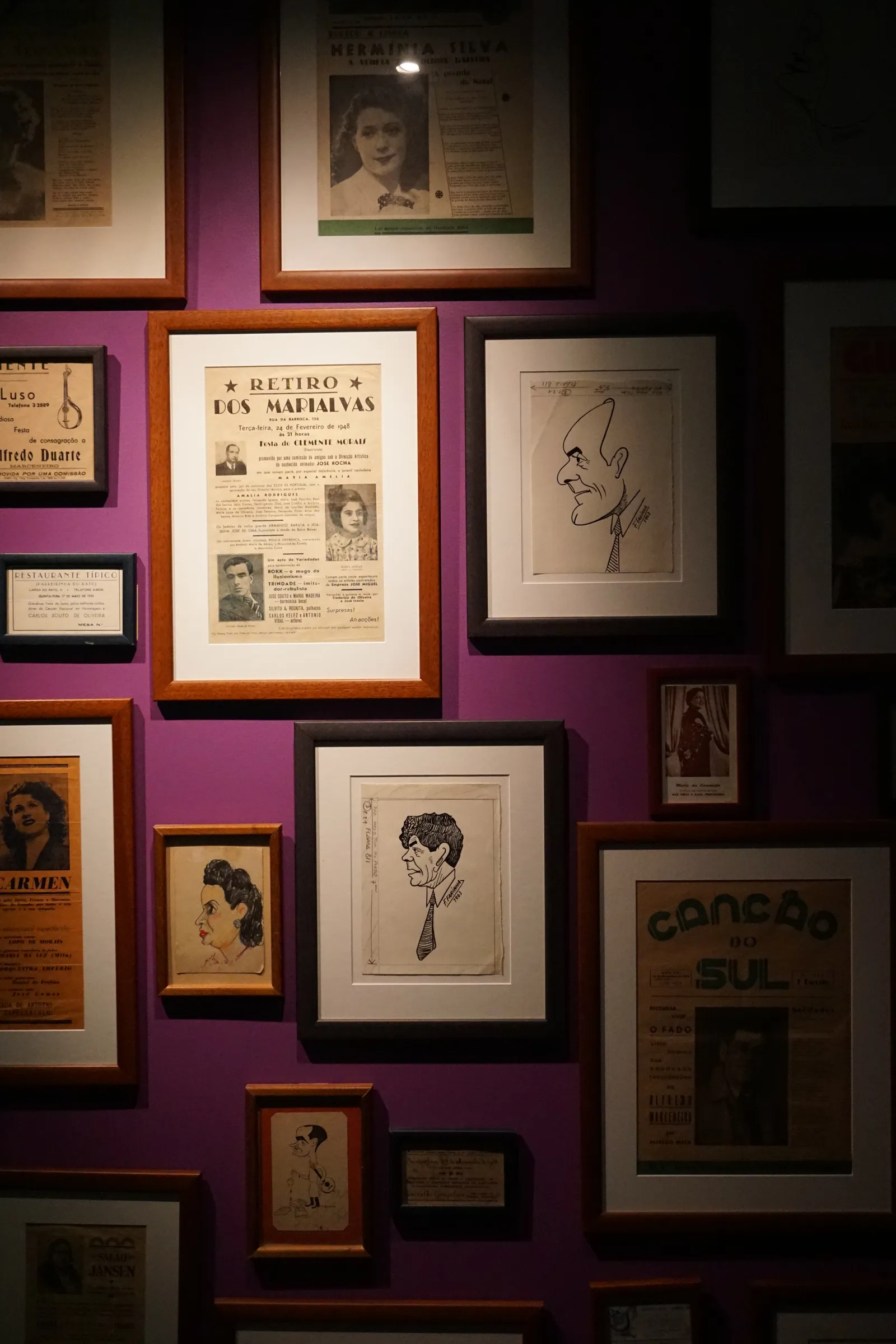
Museu do Fado (Fado Museum)
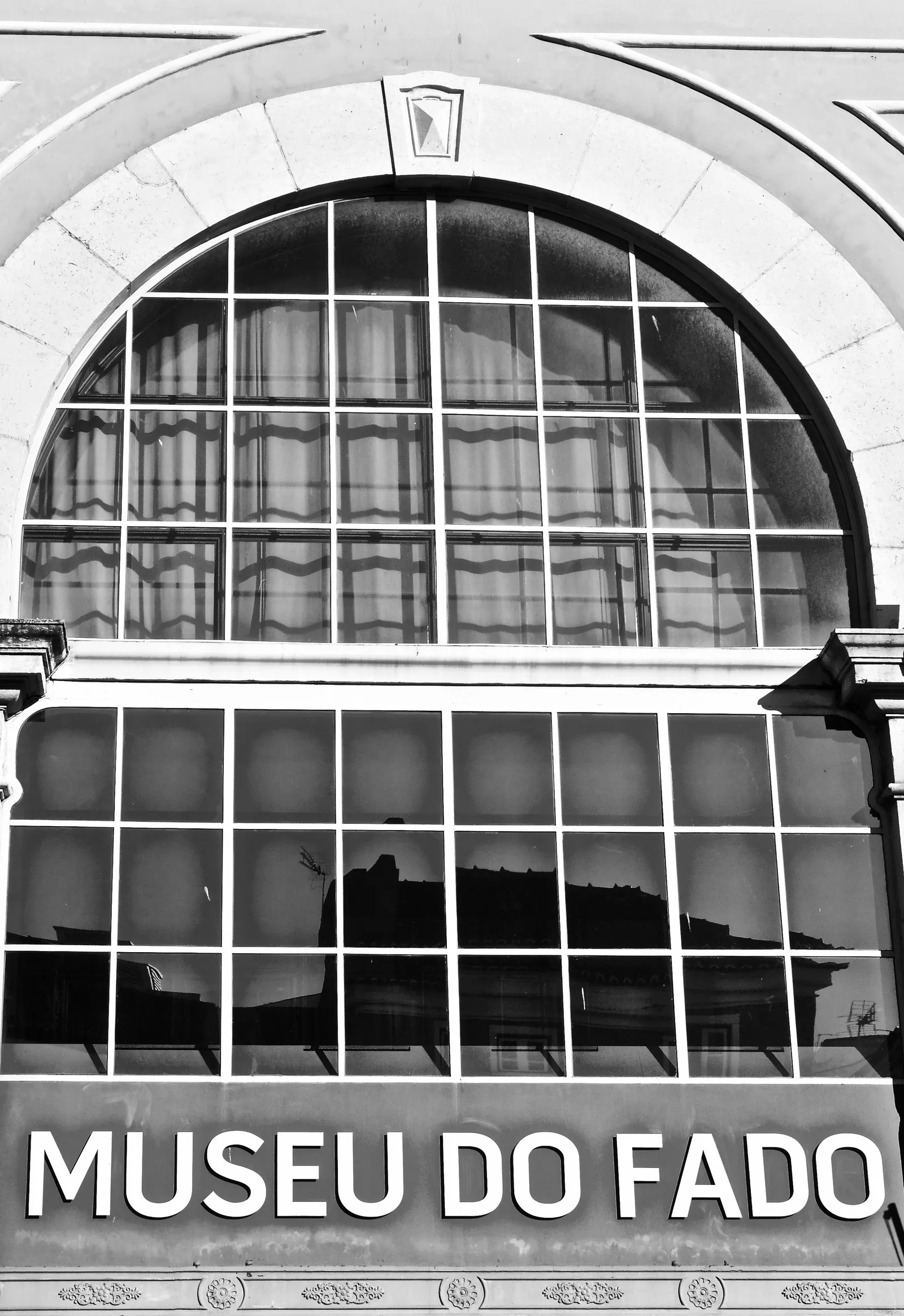
A compact museum of Lisbon's own music, six minutes' flat walk from the ship
Alfama
Lisbon's oldest quarter begins across the road from the cruise terminal
Traditional Fado Dinner Show
How a fado dinner in Alfama works: timings, prices, etiquette and how to pick a house.
Miradouro das Portas do Sol
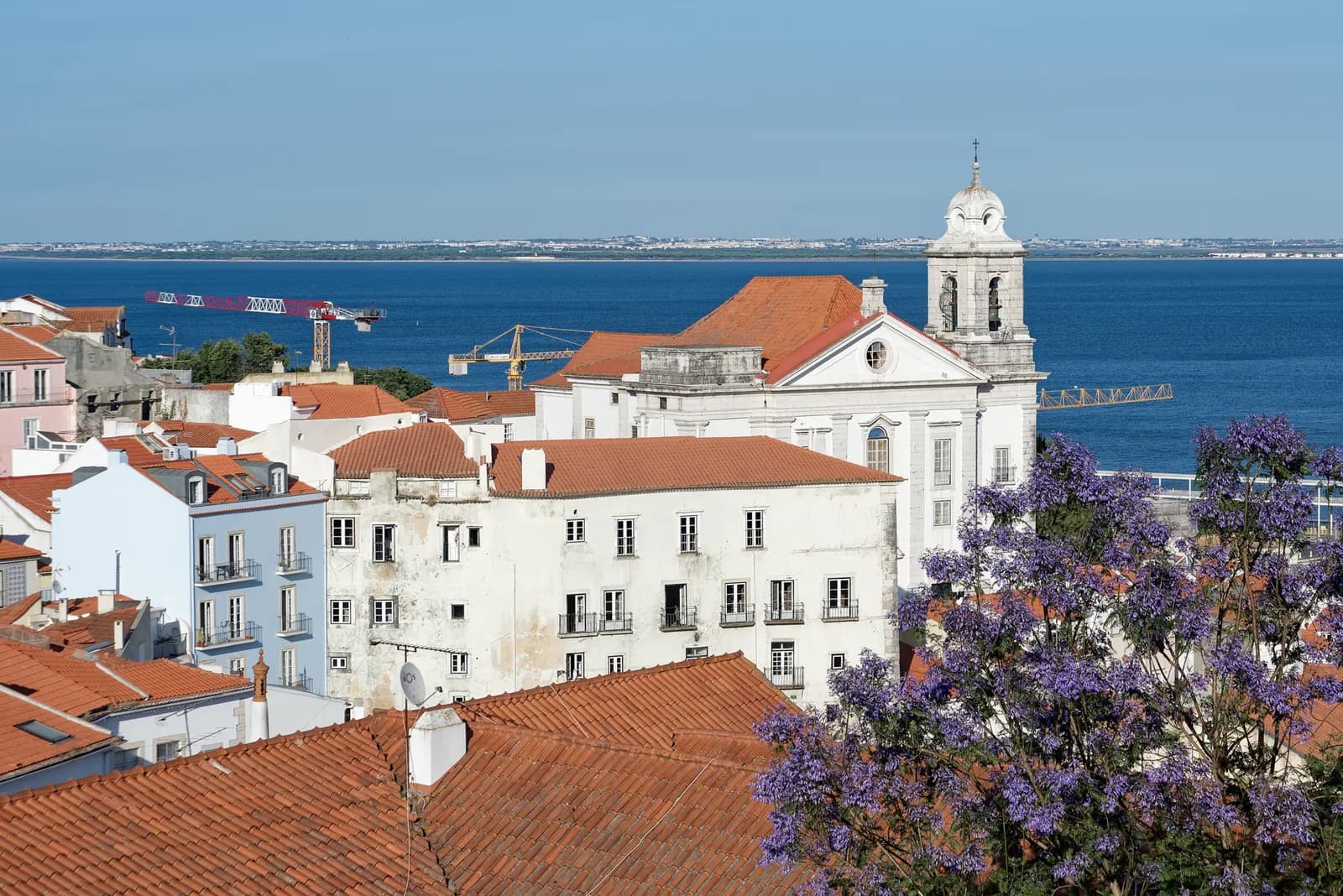
Wide viewpoint over Alfama and the river, with tram stop, taxis and a café