Parque das Nações
Flat riverside district built for Expo '98, easiest by train to Oriente, best for families and anyone who wants Lisbon without hills
Listing reviewed October 2026 · Confirm hours and prices with the official venue before visiting
Opening Hours
Public promenade and gardens open 24 hours
Admission Price
Free Entry
Visit Duration
2 hours for the promenade and cable car; half a day with the Oceanário
About This Attraction
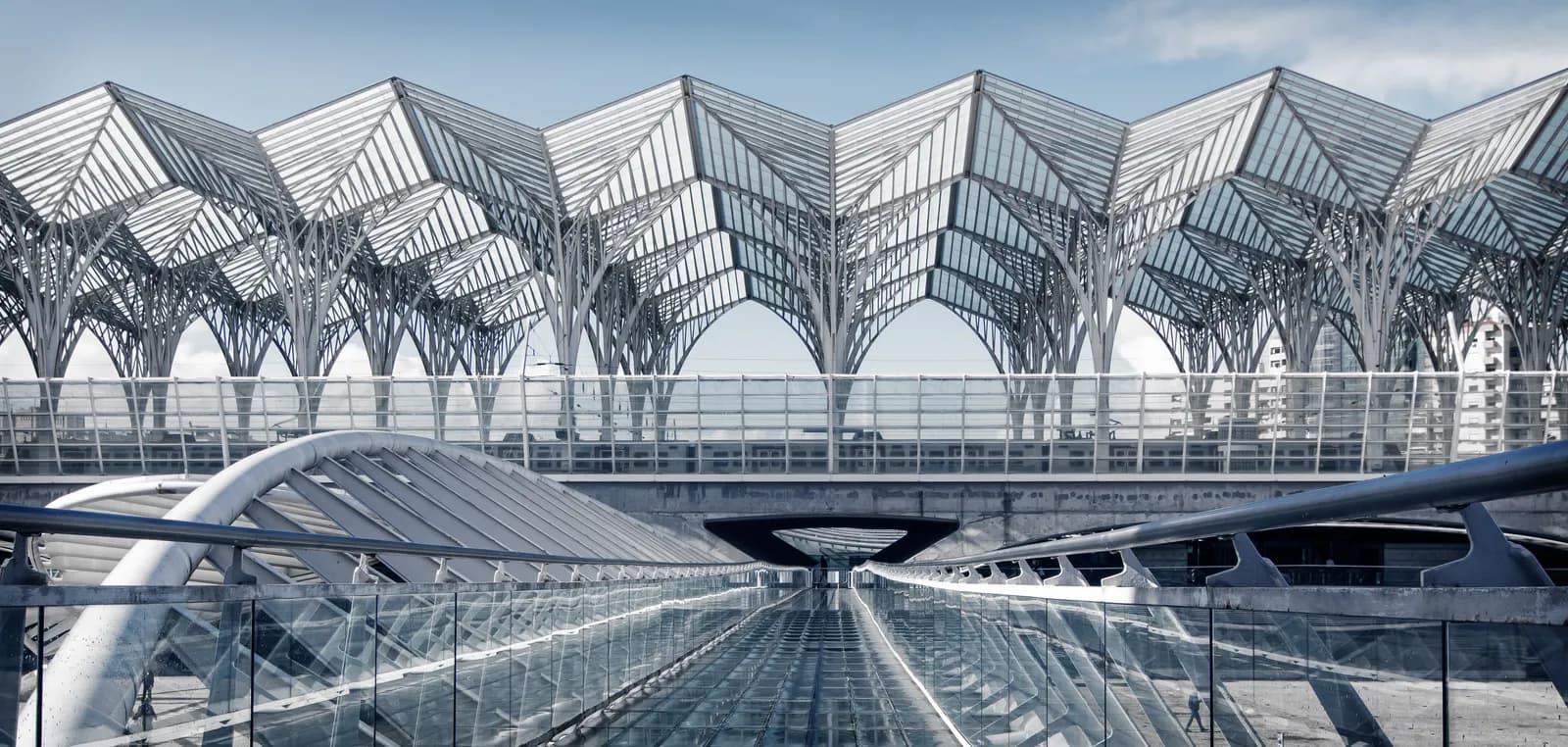
Parque das Nações is the opposite of the Lisbon most cruise passengers come for: no hills, no cobbles and almost nothing older than 1998. It makes sense on a port day if you are travelling with children or someone who struggles on slopes, if it is raining and you want the Oceanário, or if you have been to Lisbon before and want to see a different side of it. From the ship, walk about 10 minutes to Santa Apolónia and take a suburban train to Oriente; the ride is around seven minutes and trains run several times an hour. A taxi from the terminal takes about 15 minutes. Oriente station, designed by Santiago Calatrava, is the gateway: walk through the Vasco da Gama shopping centre to reach the river. With two hours, see the station roof, walk down to the waterfront and along to the Oceanário, then take the cable car north over the river's edge and walk back towards Oriente. With half a day, add the Oceanário itself (allow 90 minutes to two hours) or the Pavilhão do Conhecimento, a hands-on science centre that suits children of primary-school age. From 7 September 2026 the Pavilhão is closed on Mondays. The public spaces are free. The Oceanário charges adults €25.50 to €29.90 depending on the entry slot, the Pavilhão €15 and the cable car €7.50 one way or €9.50 return. Weekends and school holidays are the busiest times at the attractions; on weekdays the promenade is quiet. There is little shade along the river, so bring water and sun protection in summer. Skip the shopping centre unless you need something specific, and do not expect to fit Parque das Nações and Belém into one short call: they sit at opposite ends of the city.
History
Until the 1990s this stretch of the eastern riverfront was an industrial zone of oil depots, warehouses and port installations. It was cleared and rebuilt for Expo '98, the world's fair held from 22 May to 30 September 1998 to mark 500 years since Vasco da Gama reached India, under the theme 'The Oceans, a Heritage for the Future'. Several of today's landmarks were Expo buildings: the Oceans Pavilion became the Oceanário, Álvaro Siza's Portugal Pavilion kept its suspended concrete canopy, and the cable car and Oriente station opened that year. After the fair the site was turned into a permanent district of housing, offices and parks.
Why It Matters
It is Lisbon's largest example of urban regeneration and the only part of the city laid out on the flat, with wide promenades and step-free routes. For cruise passengers that matters more than the architecture: it is the most accessible area in Lisbon for wheelchairs and pushchairs, and it groups the Oceanário, a science centre and the cable car within a 15-minute walk of each other.
Photo Gallery

Parque das Nações. Photo: Jules Verne Times Two, CC BY-SA 4.0, via Wikimedia Commons
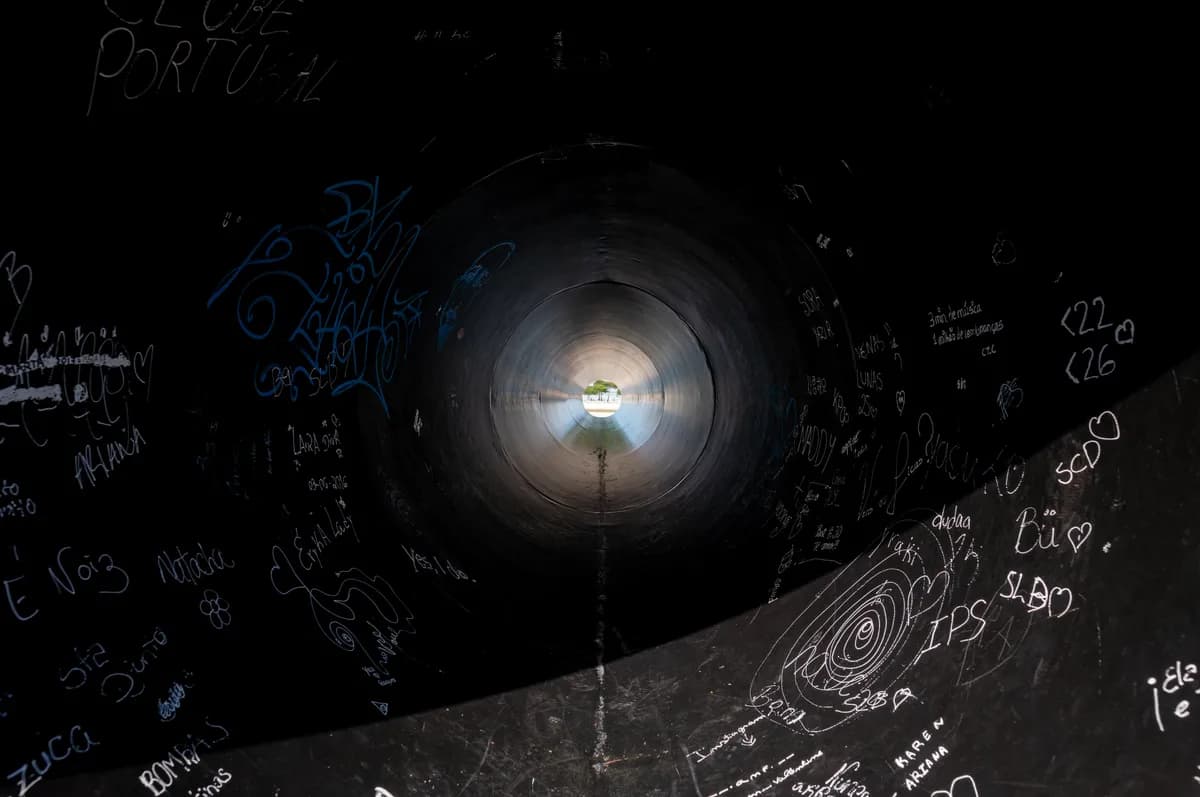
Parque das Nações. Photo: Jules Verne Times Two, CC BY-SA 4.0, via Wikimedia Commons
Tips for Cruise PassengersEssential Info
Train from Santa Apolónia (10 minutes' walk from the ship) to Oriente, or a 15-minute taxi. Once there, the district is flat and step-free.
Time from port: About 2.5-3 hours return for the promenade and cable car; 4-4.5 hours if you add the Oceanário
Take a suburban train from Santa Apolónia to Oriente (about 7 minutes, several an hour); long-distance Alfa Pendular and Intercidades trains need a separate reserved ticket.
From Oriente station, walk through the Vasco da Gama shopping centre to reach the riverfront.
The Oceanário is cheapest from 16:00 (€25.50 adults) and dearest between 10:00 and 11:30 (€29.90).
The Pavilhão do Conhecimento science centre is closed on Mondays from 7 September 2026.
Ride the cable car one way (€7.50) and walk back along the river rather than paying €9.50 for a return.
There is little shade on the promenade; bring water and a hat between May and September.
Parque das Nações and Belém are at opposite ends of Lisbon; on a short call, pick one.
For a group of three or four, or anyone with limited mobility, a taxi from the terminal (about 15 minutes) saves the walk to Santa Apolónia and through the shopping centre.
What Makes This Special
- starOriente station, designed by Santiago Calatrava for Expo '98
- starOceanário de Lisboa on the Doca dos Olivais
- starPavilhão do Conhecimento, a hands-on science centre
- starTelecabine Lisboa, the riverside cable car (1,230 m)
- starÁlvaro Siza's Portugal Pavilion with its suspended concrete canopy
- starRiverside promenade with views of the Vasco da Gama Bridge
- starJardins Garcia de Orta and the Jardins da Água, free public gardens
Getting There
Address
Various locations throughout district, Lisbon
From Cruise Port
About 7.4 km north-east. Take the train from Santa Apolónia station (10 minutes' walk from the terminal) to Oriente, which is the entrance to the district. Taxi about 15 minutes.
Nearby Attractions
Teleférico de Lisboa (Lisbon Cable Car)
A 10-minute gondola ride along the river in Parque das Nações, worth adding to an Oceanário visit rather than crossing the city for
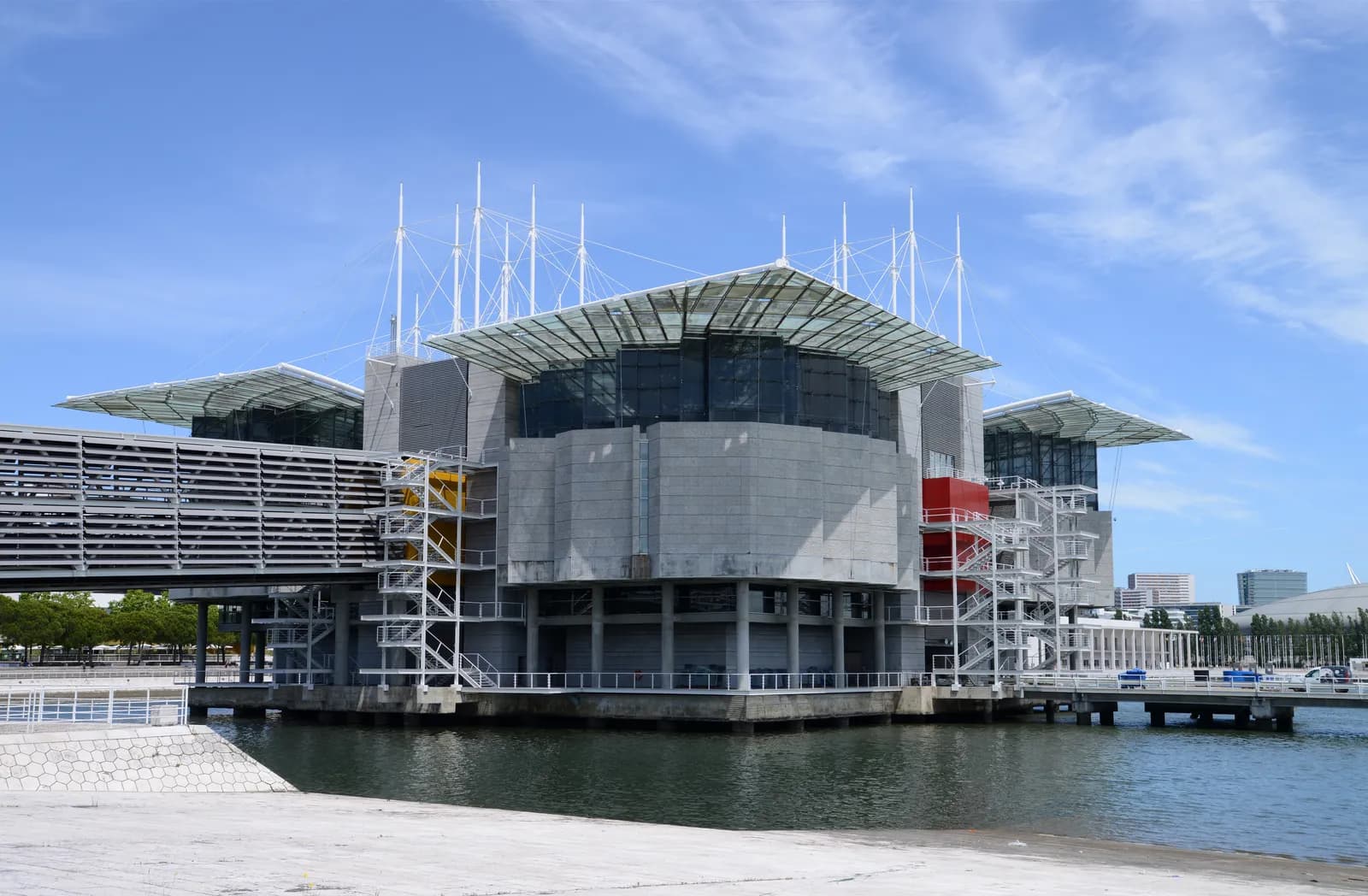
Oceanário de Lisboa
A big indoor aquarium in Parque das Nações, worth the trip on a rainy or family port day