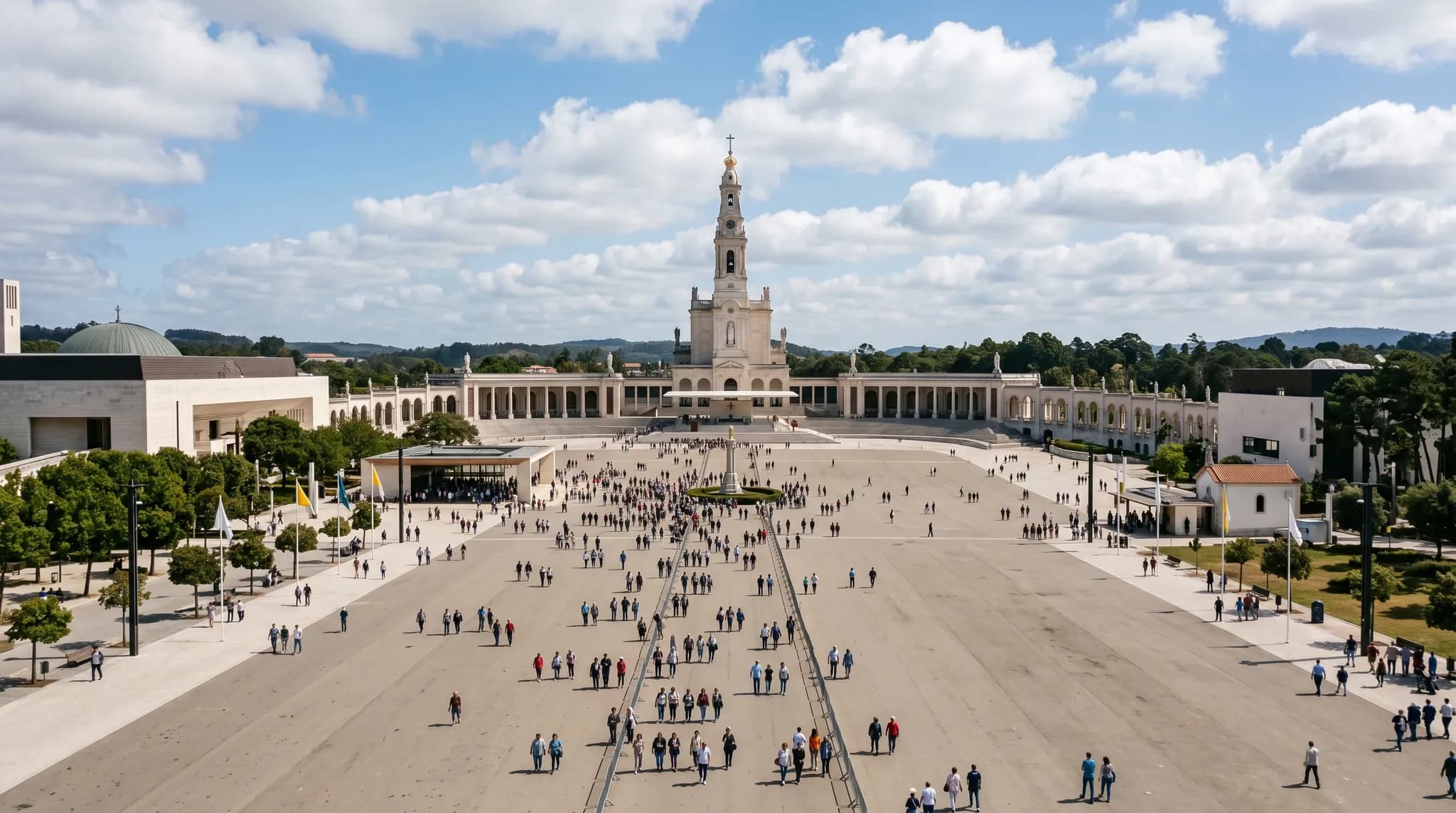
Santuário de Fátima
World-renowned Catholic pilgrimage site where Virgin Mary appeared to three shepherd children in 1917
Listing reviewed July 2026 · Confirm hours and prices with the official venue before visiting
Opening Hours
Open 24 hours - sanctuary never closes
Admission Price
Free Entry
Visit Duration
2-4 hours (3-6 hours if attending Mass)
About This Attraction
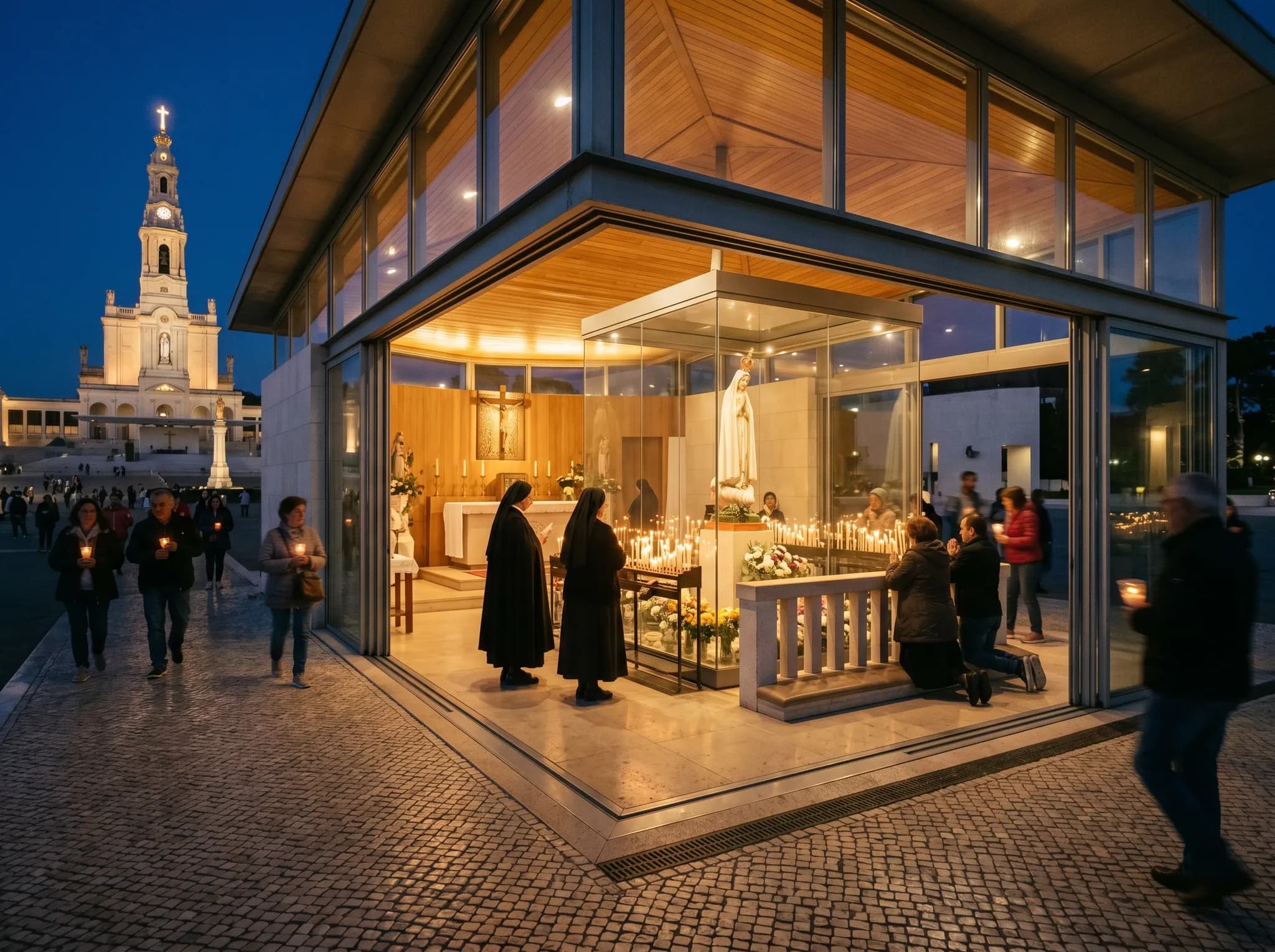
The Santuário de Fátima (Sanctuary of Our Lady of Fátima) stands as one of the most significant Catholic pilgrimage sites in the world, visited by over 6 million pilgrims annually from across the globe. The sanctuary commemorates the Marian apparitions that occurred in 1917 when three shepherd children - Lúcia dos Santos and her cousins Francisco and Jacinta Marto - reported six visions of the Virgin Mary between May and October in the rural village of Cova da Iria. During these apparitions, the children received messages emphasizing prayer, penance, and conversion, along with prophecies known as the 'Three Secrets of Fátima.' The events culminated on October 13, 1917, with the 'Miracle of the Sun,' witnessed by an estimated 70,000 people who gathered at the site. Today, the sanctuary complex encompasses an enormous esplanade (twice the size of St. Peter's Square in Vatican) that can accommodate over 300,000 pilgrims. The heart of the sanctuary is the Capela das Aparições (Chapel of the Apparitions), a small chapel marking the exact spot where Mary appeared, housing a statue of Our Lady of Fátima crowned with a precious crown containing 313 pearls and 2,679 precious stones, plus a bullet from the 1981 assassination attempt on Pope John Paul II. The Basilica of Our Lady of the Rosary (1928-1953) features a 65-meter tower and contains the tombs of the three shepherd children, all now declared saints or blessed. The modern Basilica of the Holy Trinity (2007) is one of the world's largest Catholic churches, capable of holding 9,000 people. The sanctuary also includes numerous chapels, museums, pastoral centers, and accommodations for pilgrims. The site has been visited by three popes - Paul VI (1967), John Paul II (three times), and Benedict XVI (2010), and Pope Francis (2017 for the centenary). Pilgrims come to pray, seek healing, fulfill promises, and experience the spiritual atmosphere of this sacred place. The sanctuary hosts major pilgrimages on the 13th of each month from May to October, with the largest gatherings on May 13 and October 13 anniversaries. The Fátima message of peace, prayer, and conversion continues to resonate globally, making it one of Christianity's most influential Marian apparition sites.
History
The history of Fátima begins on May 13, 1917, when three shepherd children - Lúcia dos Santos (age 10), Francisco Marto (age 9), and Jacinta Marto (age 7) - reported seeing a 'Lady brighter than the sun' above an oak tree in Cova da Iria while tending their sheep. The Lady asked them to return on the 13th day of each month for six months. Despite initial skepticism and opposition from authorities, increasingly large crowds accompanied the children to the apparition site. On October 13, 1917, an estimated 70,000 people witnessed what became known as the 'Miracle of the Sun,' where observers reported the sun appeared to dance, spin, and plunge toward earth. Following ecclesiastical investigation, the Bishop of Leiria declared the apparitions worthy of belief in 1930. A small chapel was built at the apparition site in 1919 but was dynamited by anti-clerical forces in 1922 (later rebuilt). Construction of the Basilica of Our Lady of the Rosary began in 1928 and was consecrated in 1953. Francisco died in 1919 (age 10) and Jacinta in 1920 (age 9) during the influenza pandemic; both were beatified in 2000 and canonized in 2017. Lúcia became a nun (Sister Lúcia) and lived until 2005 (age 97); her beatification process is ongoing. In 1981, Pope John Paul II credited Our Lady of Fátima with saving his life during an assassination attempt in St. Peter's Square on May 13; he later donated the bullet extracted from his body, which was incorporated into Our Lady's crown. The massive Basilica of the Holy Trinity was inaugurated in 2007 to accommodate growing numbers of pilgrims. In 2017, the centenary of the apparitions attracted over 1 million pilgrims, with Pope Francis presiding over celebrations and canonizing Francisco and Jacinta. Today, Fátima remains one of the world's most visited pilgrimage sites, recognized by the Catholic Church as a place of authentic Marian apparitions.
Why It Matters
Fátima ranks among the world's most important Catholic pilgrimage destinations, alongside Lourdes in France, Guadalupe in Mexico, and Czestochowa in Poland. The sanctuary receives over 6 million visitors annually from every continent. The apparitions and messages of Fátima have profoundly influenced 20th and 21st-century Catholic spirituality, emphasizing devotion to Mary's Immaculate Heart, the Rosary, prayer for peace, and conversion. The site has been visited by three popes and continues to play a significant role in global Catholic life. For cruise passengers interested in religious history, spiritual tourism, or Portuguese culture, Fátima offers a unique and moving experience.
Photo Gallery
Santuário de Fátima. Photo: Terry Kearney from liverpool, merseyside, CC0, via Wikimedia Commons
Santuário de Fátima. Photo: Alípio da Silva Vicente, Public domain, via Wikimedia Commons
Tips for Cruise PassengersEssential Info
Moderate - 130km from Lisbon requires organized shore excursion or dedicated bus trip. NOT suitable for short port calls or half-day visits.
Time from port: Full day excursion (8-10 hours including 4 hours travel time) - long but worthwhile for religious/spiritual interest
Book organized shore excursion for stress-free transport and timing
Allow minimum 10 hours port time - 4 hours driving + 4 hours at sanctuary
Perfect for religious pilgrims and spiritual tourists
One of world's most significant Catholic pilgrimage sites
Completely FREE to visit - donations welcomed
Dress modestly (shoulders/knees covered) - religious site
Attend Mass or Rosary for authentic experience (check schedule online)
Bring packed lunch or eat in Fátima town - limited sanctuary food options
Visit museum for historical context (small admission fee)
Light a candle at Chapel of Apparitions - traditional pilgrimage ritual
Avoid May 13 and October 13 if on cruise - massive crowds (300,000-500,000)
Powerful spiritual atmosphere even for non-Catholics
Combine with Batalha or Nazaré if time allows for fuller day trip
Download sanctuary app for guided tour and Mass schedules
What Makes This Special
- starCapela das Aparições - Chapel marking exact spot of Marian apparitions
- starBasilica of Our Lady of the Rosary with 65-meter bell tower
- starTombs of shepherd children (now Saints Francisco and Jacinta, Blessed Lúcia)
- starBasilica of the Holy Trinity - one of world's largest Catholic churches (9,000 capacity)
- starVast esplanade accommodating 300,000 pilgrims
- starPrecious crown of Our Lady with bullet from Pope John Paul II assassination attempt
- starDaily Masses in multiple languages
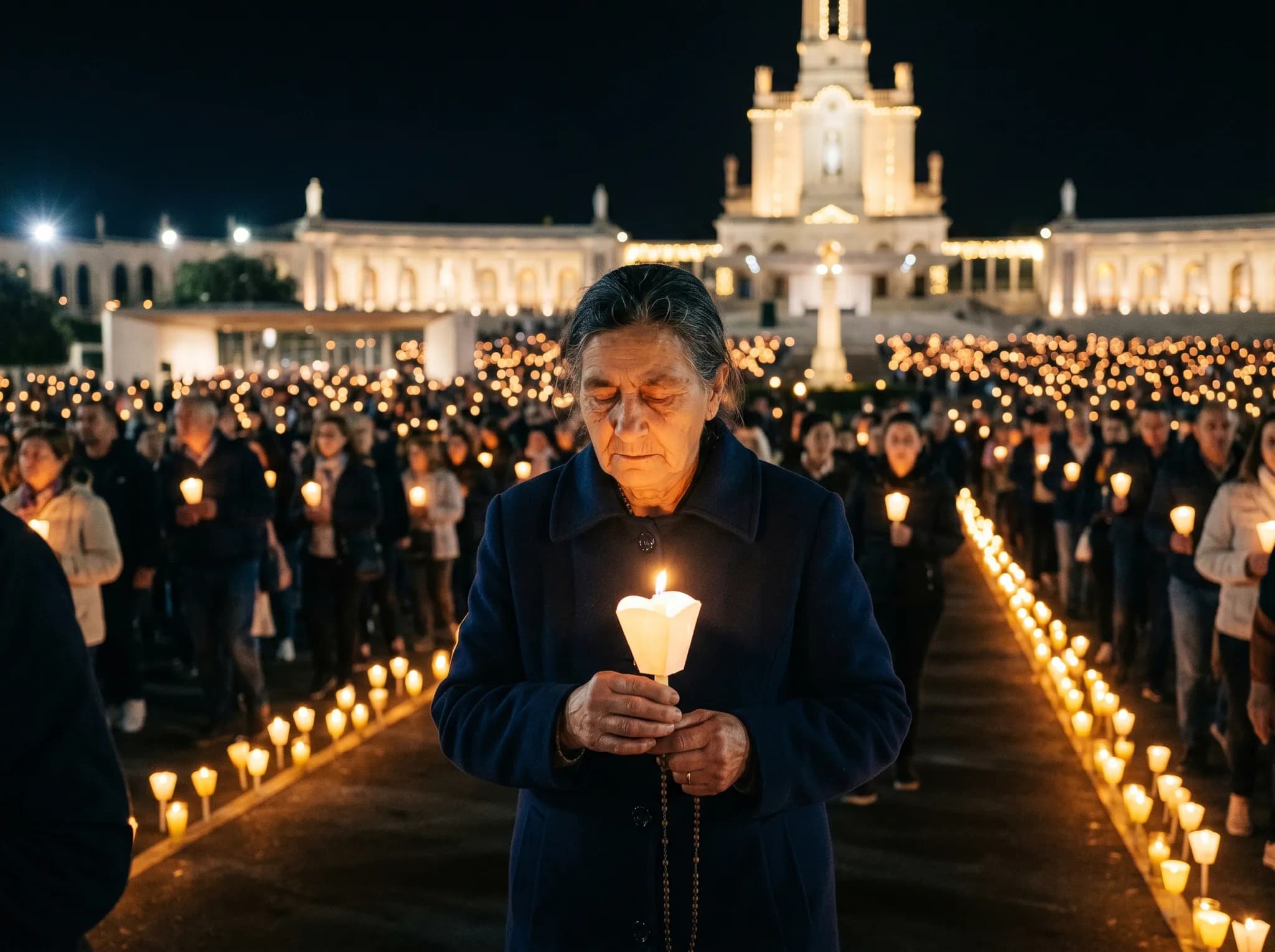
- starEvening candlelight processions (May-October)
- starMuseum of the Sanctuary with apparition history and artifacts
- starVia Sacra (Sacred Way) with Stations of the Cross
- starHouses of the shepherd children in nearby Aljustrel
- starLoca do Cabeço and Well of Arneiro (Angel apparition sites)
- starRetreat houses and accommodations for pilgrims
Getting There
Address
Rua de Santa Isabel, 360, Fátima
From Cruise Port
From Lisbon cruise port: Organized shore excursion (2-hour drive) is most convenient. Or bus from Sete Rios station to Fátima (2 hours). Driving time approximately 90-120 minutes via A1 motorway. Total journey 2-2.5 hours.