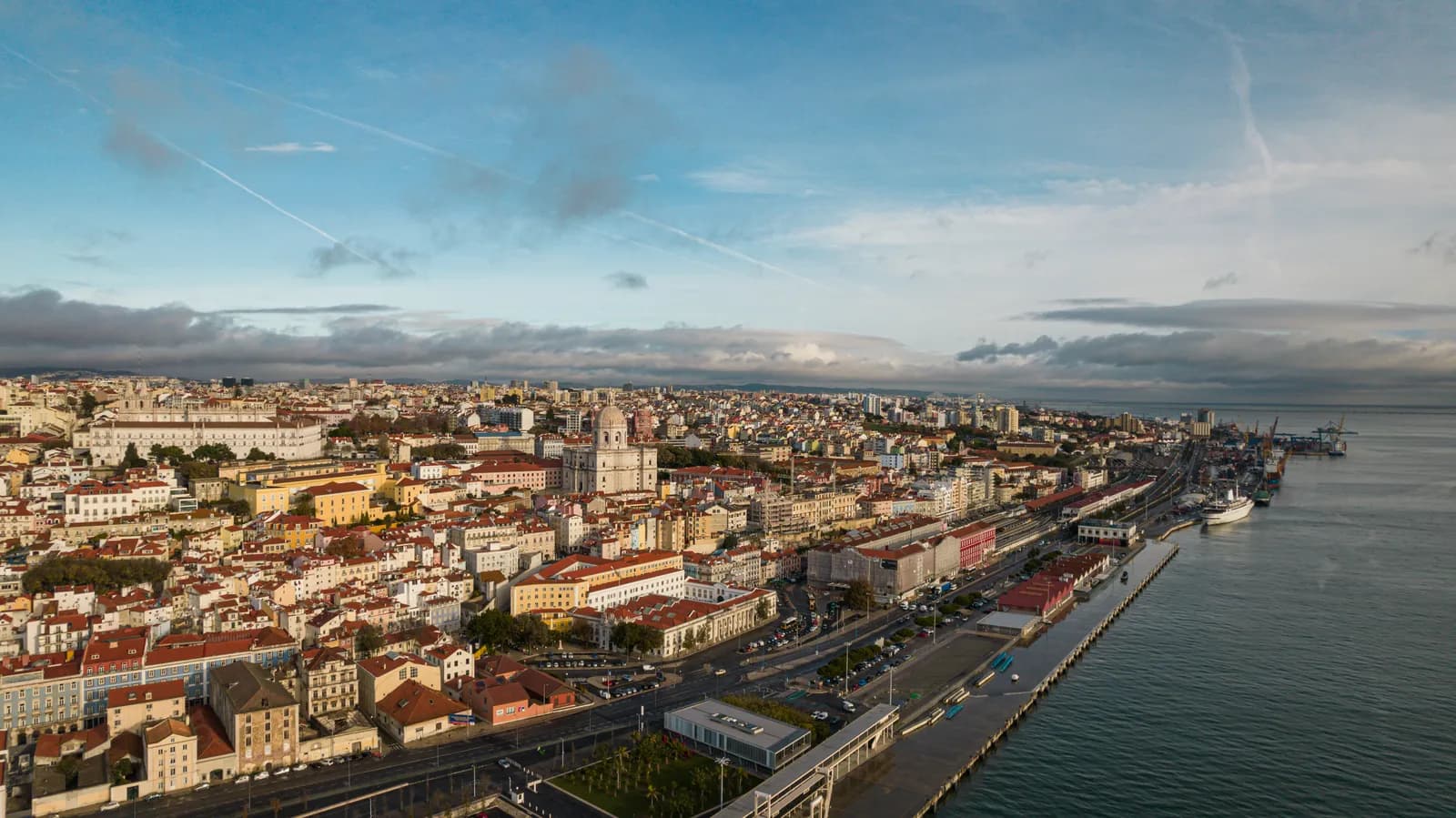
Alfama
Lisbon's oldest quarter begins across the road from the cruise terminal
Listing reviewed October 2026 · Confirm hours and prices with the official venue before visiting
Opening Hours
24/7
Admission Price
Free Entry
Visit Duration
1.5–3 hours on foot
About This Attraction
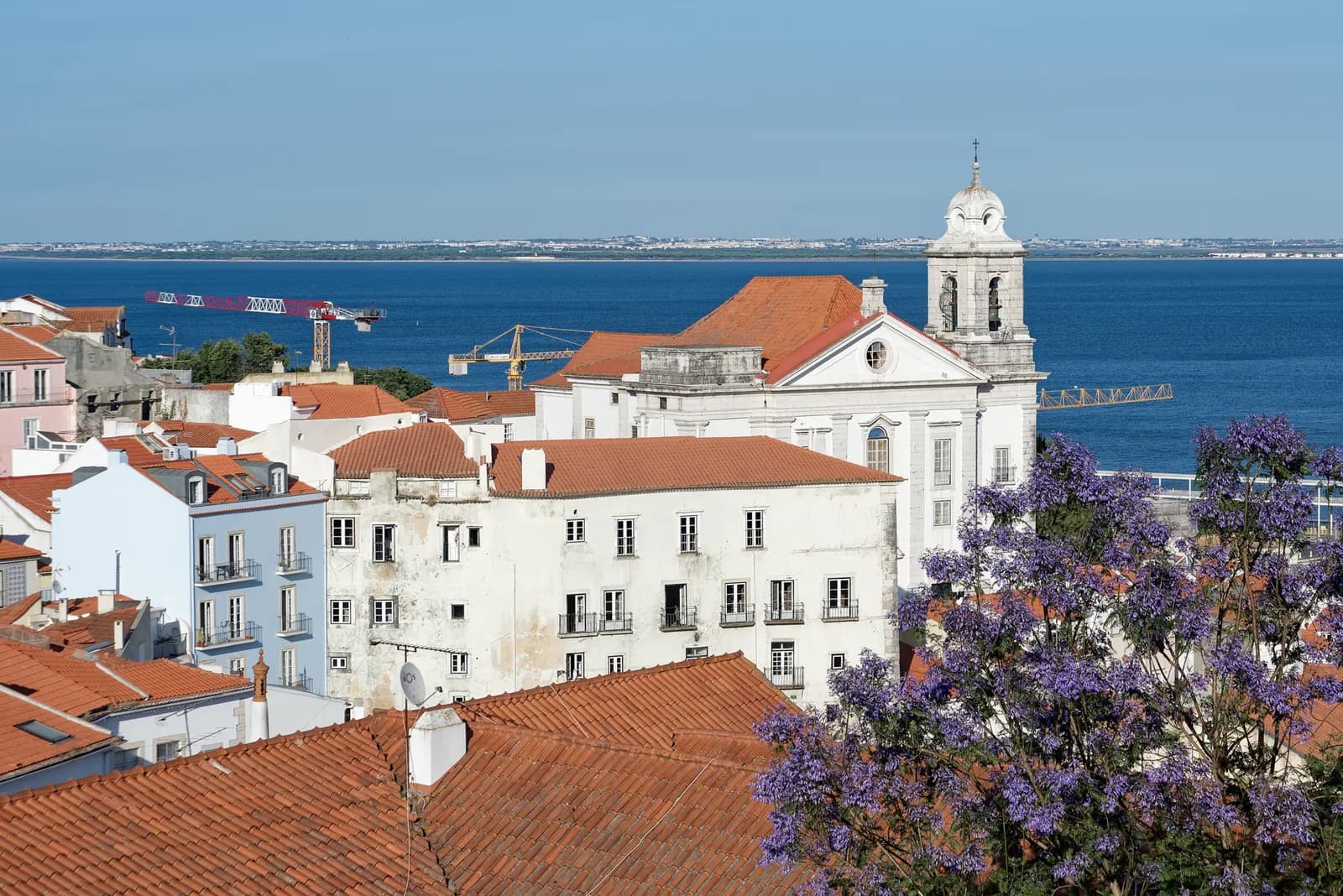
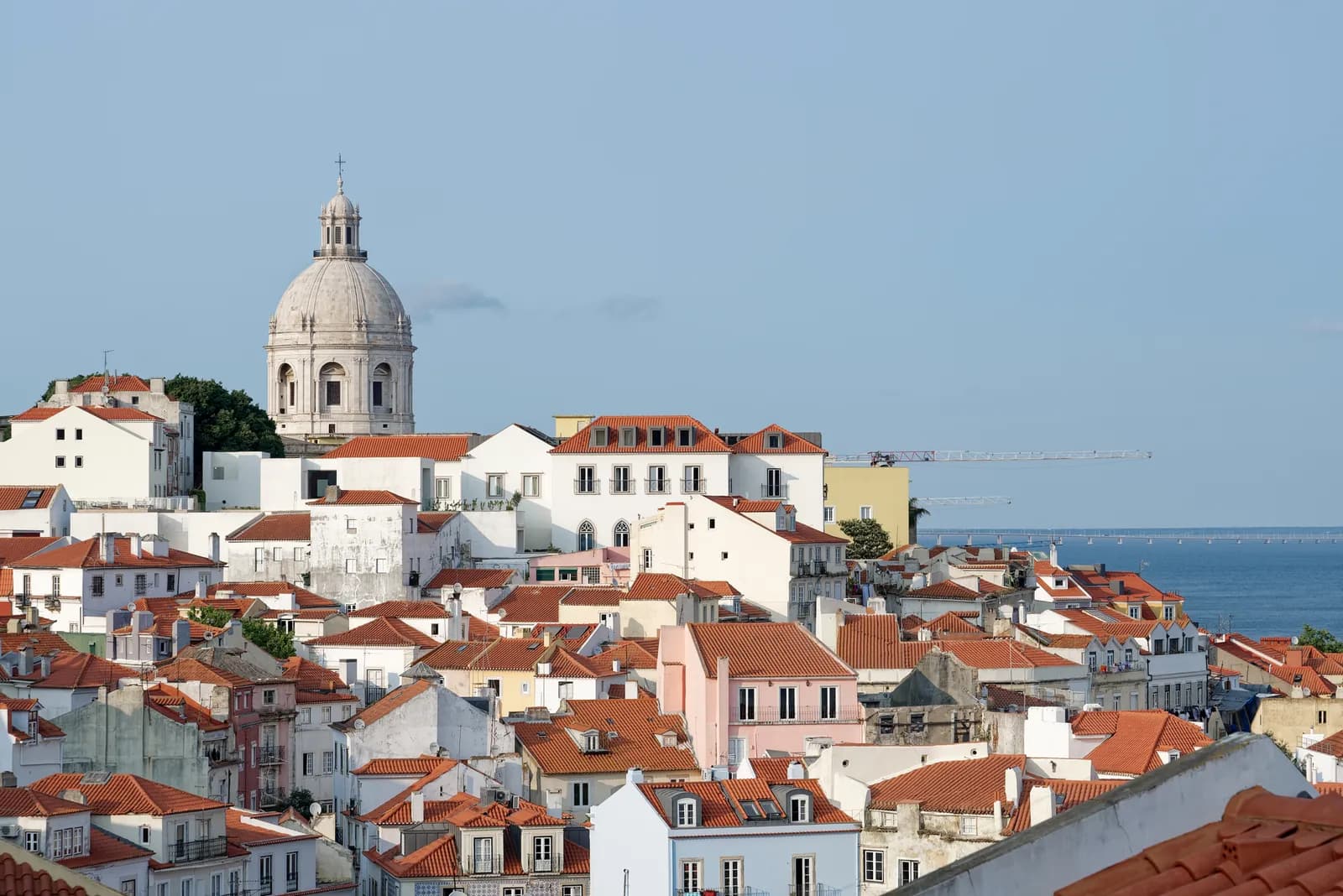
Alfama is the one Lisbon sight you can reach without any transport: its lower lanes start across Avenida Infante Dom Henrique from the Jardim do Tabaco terminal, about 8 minutes on foot. The catch is the gradient. The district climbs from the river to the castle walls on stairs and steep cobbles, so decide which way you will walk before you set off. The easiest plan for a port day is top-down. Take a taxi, a tuk-tuk or Tram 28E up to Largo das Portas do Sol, look at the view, then walk downhill through the lanes back towards the ship. Walking up and back down covers the same streets at roughly twice the effort. With 90 minutes: the Portas do Sol and Santa Luzia viewpoints, which sit a minute or two apart, then a slow walk down to Largo do Chafariz de Dentro, where the Fado Museum stands a few minutes from the terminal. With three to four hours, add the Sé (Lisbon's cathedral, closed to visitors on Sundays) or Castelo de São Jorge higher up. On a Tuesday or Saturday, the Feira da Ladra flea market fills Campo de Santa Clara, on the eastern edge of the district. On busy ship days, roughly 10:00 to 15:00 is when excursion groups crowd the viewpoints and Tram 28E arrives full. Early in your port day is calmer, and the side lanes away from the tram line stay quiet at almost any hour. What to skip if time is tight: queuing for Tram 28E only for the ride, restaurants with touts and picture menus on the main routes, and trying to see every church. The lanes themselves are the point. Alfama's irregular street plan predates the 1755 earthquake, which hit the flat Baixa far harder. People still live here, so keep voices down in the narrow residential alleys.
History
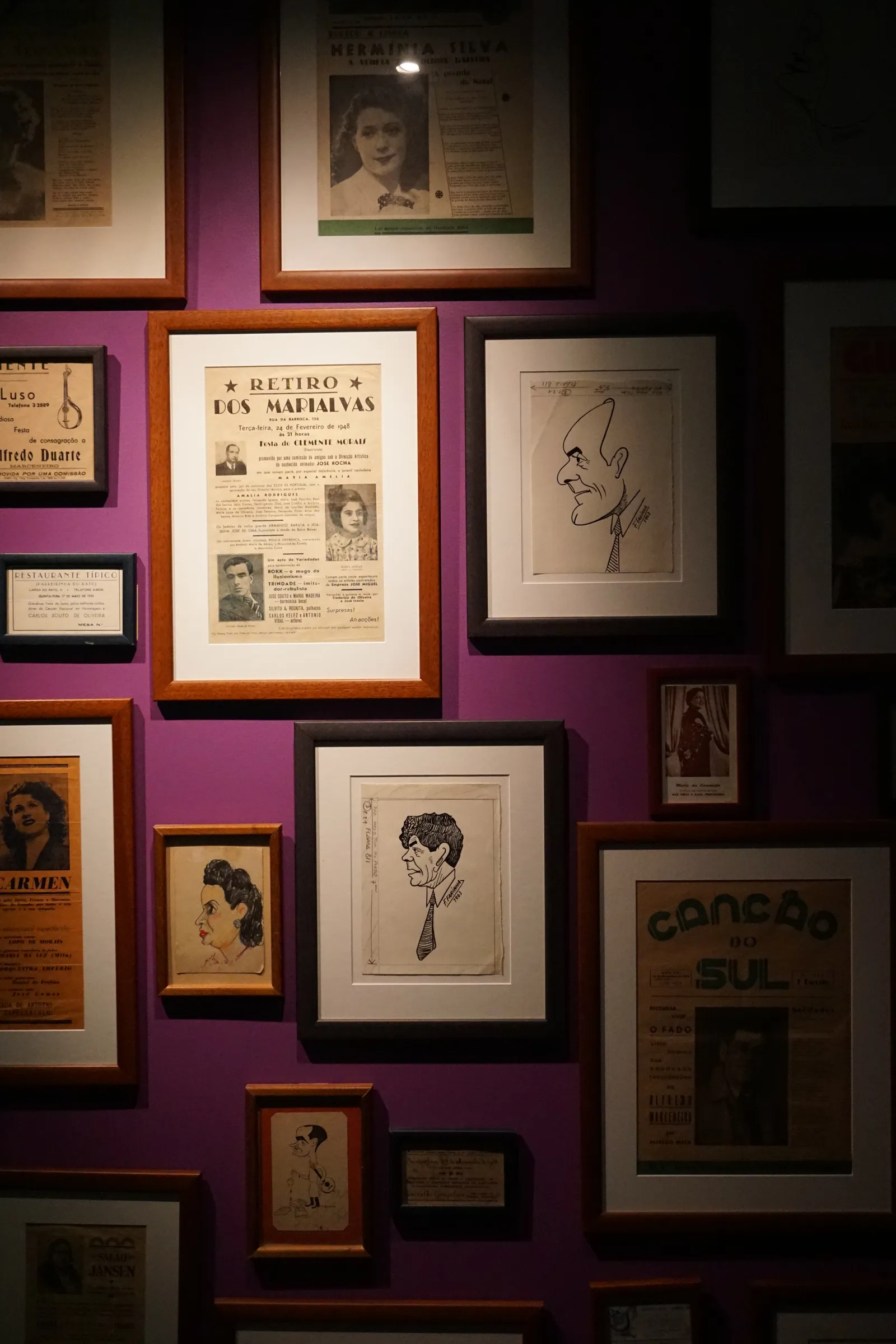
The name comes from the Arabic al-hamma, usually linked to the springs and baths of the area. Under Moorish rule this was the residential quarter below the citadel, and its tangle of alleys still follows that pattern. After Afonso Henriques took Lisbon in 1147, Alfama became home to fishermen, sailors and dockworkers. The 1755 earthquake devastated much of the city, but Alfama's rocky hillside fared better than the low-lying Baixa, which is why its medieval layout survives instead of the grid rebuilt downtown. In the 19th century fado took shape in the taverns of Alfama and neighbouring Mouraria, which is why the Fado Museum stands at its foot. Each June the Santo António festivities fill its streets with grills and music.
Why It Matters
Alfama is the largest surviving piece of pre-earthquake Lisbon: irregular streets, small squares and stairways that show how the city looked before its planned 18th-century rebuild. For a cruise passenger it is also practical. The terminal sits at its foot, and the cathedral, the castle and the two main viewpoints are inside or on the edge of the district, so one walk covers several of the city's main sights.
Photo Gallery
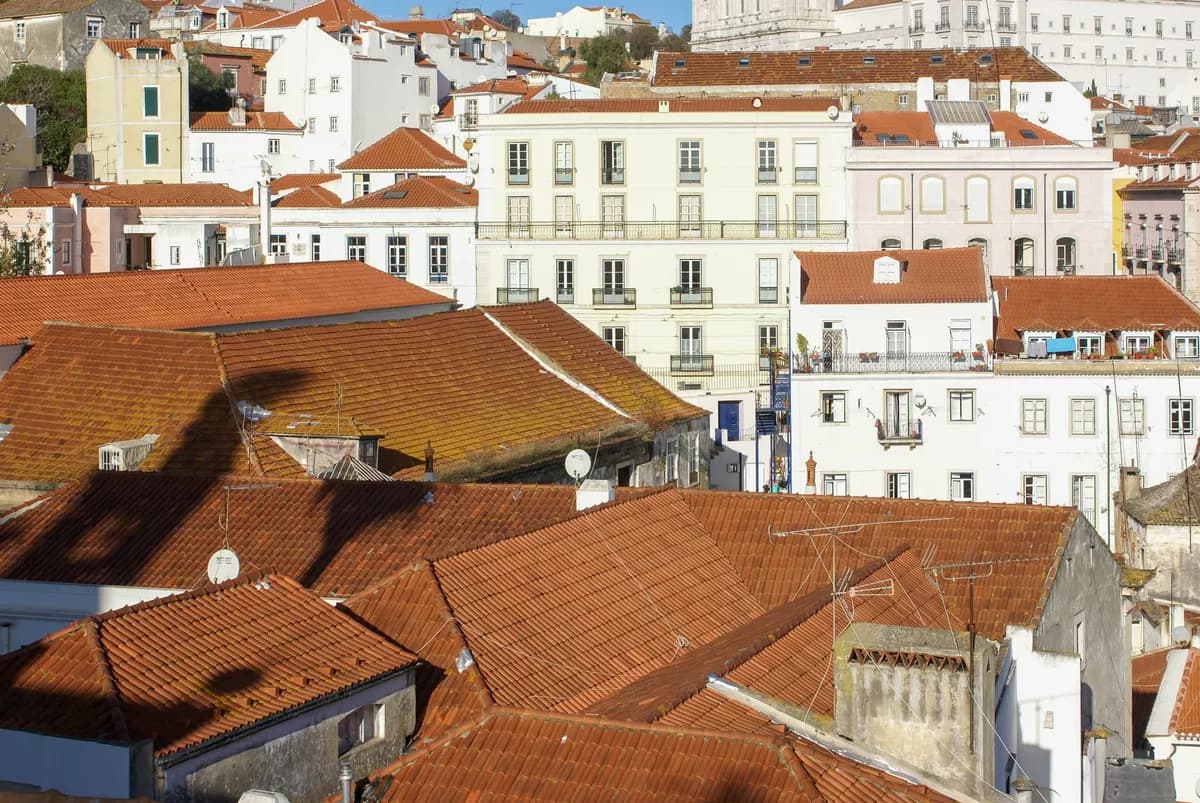
Alfama. Photo: Matti Blume, CC BY-SA, via Wikimedia Commons
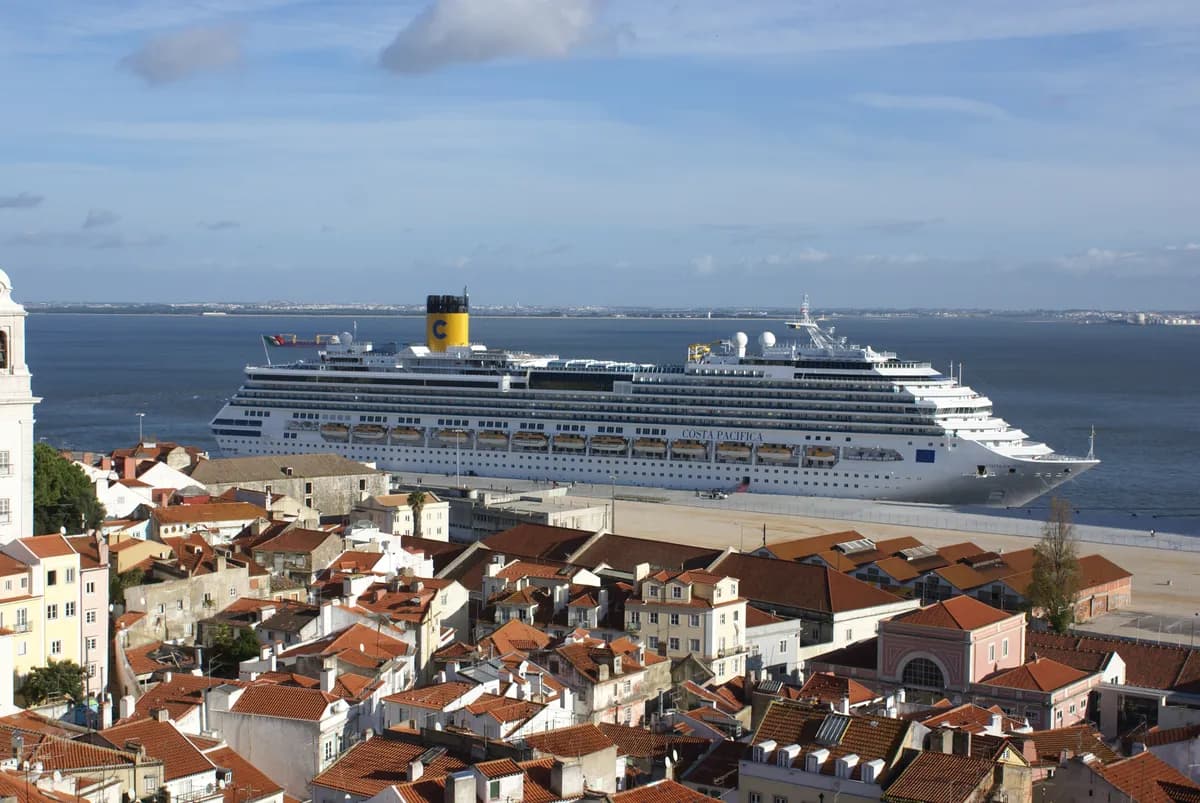
Alfama. Photo: Matti Blume, CC BY-SA, via Wikimedia Commons
Tips for Cruise PassengersEssential Info
The lower lanes are about 8 minutes' flat walk from the terminal; everything above is steep cobbles and stairs. Visitors with limited mobility can take a taxi to Largo das Portas do Sol, where the viewpoint is at street level.
Time from port: 1.5–4 hours: 90 minutes covers the two viewpoints and a walk down; allow half a day to add the cathedral or the castle
Go up by transport and walk down: a taxi, tuk-tuk or Tram 28E to Largo das Portas do Sol saves the steepest climb, and the way back to the terminal is downhill.
Tram 28E costs €3.30 per trip if you pay on board (Carris 2026 fare). A Carris/Metro single on a Navegante card costs €1.90 and can be bought at Santa Apolónia metro station.
The Fado Museum at Largo do Chafariz de Dentro is the closest paid sight to the ship: Tuesday to Sunday 10:00–18:00 (last entry 17:30), adult €5, closed on Mondays.
Feira da Ladra runs on Tuesdays and Saturdays, 09:00–18:00, at Campo de Santa Clara behind São Vicente de Fora.
The viewpoints and Tram 28E are at their fullest between about 10:00 and 15:00 on busy ship days; go early in your port day if you can.
Street names are on small tiled plaques at corners and many lanes end in stairs or dead ends; download an offline map before leaving the ship.
Pickpockets work Tram 28E and the viewpoint railings; keep bags closed and in front of you.
Allow 20–30 minutes to get back to the terminal from the top of Alfama: the walk is short on the map, but the lanes are slow and easy to get lost in.
What Makes This Special
- starMiradouro das Portas do Sol and Miradouro de Santa Luzia, side by side
- starTram 28E and 12E climbing through Largo das Portas do Sol
- starFado Museum at Largo do Chafariz de Dentro, a few minutes from the terminal
- starSé de Lisboa, the city's cathedral, on the western edge
- starCastelo de São Jorge on the hilltop above
- starFeira da Ladra flea market at Campo de Santa Clara (Tuesday and Saturday)
- starPre-1755 street plan of alleys, stairways and small squares
- starPanteão Nacional and São Vicente de Fora on the eastern ridge
- starSanto António festivities in the streets every June
Getting There
Address
Alfama District, Lisbon
From Cruise Port
Alfama starts across the road from the Jardim do Tabaco cruise terminal: about 450 m and 8 minutes on foot to the lower lanes. Everything above that is uphill on stairs and cobbles; if you want the views without the climb, take a taxi or tuk-tuk to Largo das Portas do Sol and walk down.
Nearby Attractions
Traditional Fado Dinner Show
How a fado dinner in Alfama works: timings, prices, etiquette and how to pick a house.
Miradouro das Portas do Sol
Wide viewpoint over Alfama and the river, with tram stop, taxis and a café
Miradouro de Santa Luzia
Tiled terrace viewpoint over Alfama and the river, next door to Portas do Sol
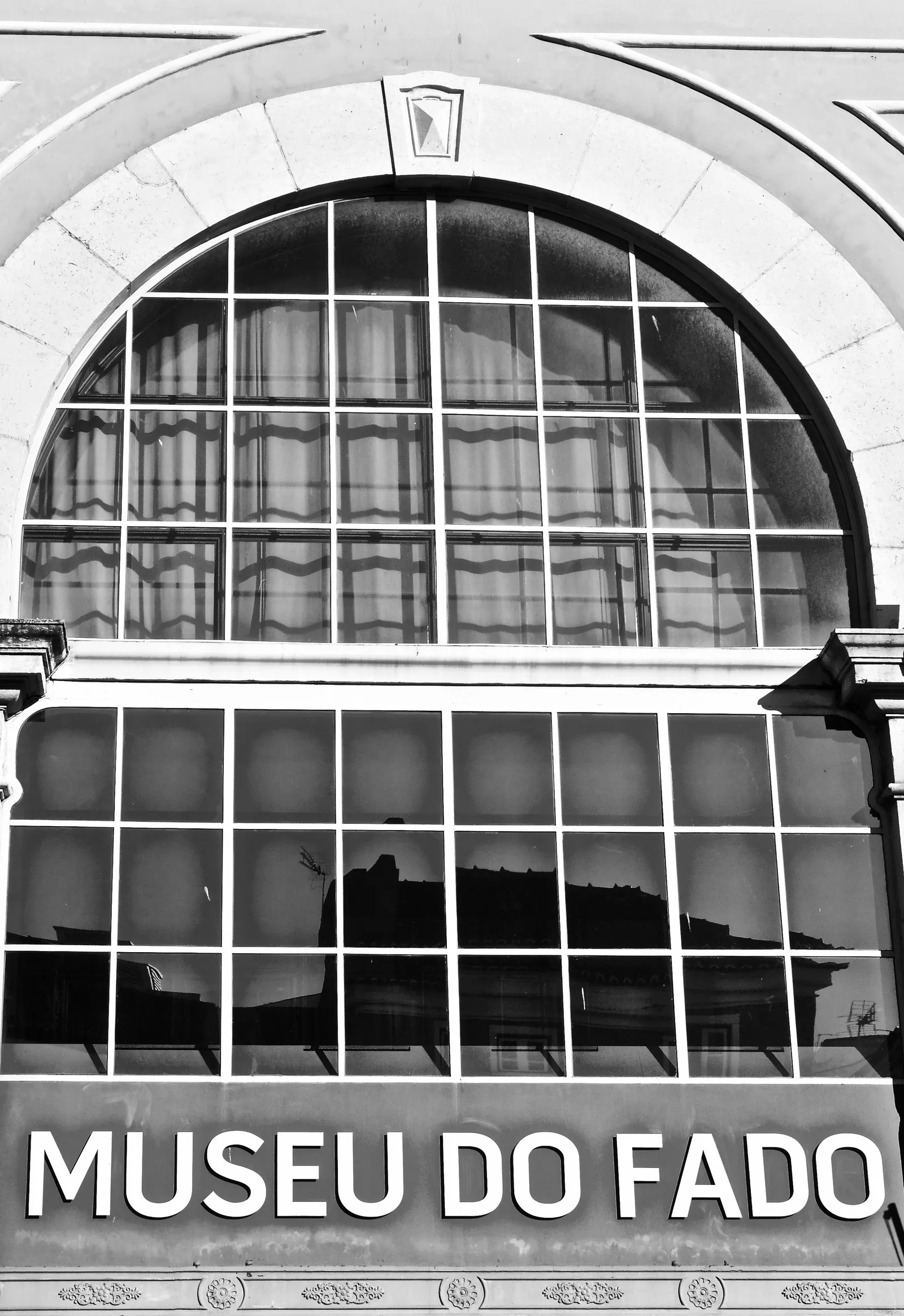
Museu do Fado (Fado Museum)
A compact museum of Lisbon's own music, six minutes' flat walk from the ship