Cascais
The easiest seaside trip from the ship, but it needs about six hours ashore.
Listing reviewed October 2026 · Confirm hours and prices with the official venue before visiting
Opening Hours
Town, beaches and seafront always open; museums, shops and restaurants keep their own hours
Admission Price
Free Entry
Visit Duration
2.5-4 hours in town on a port day
About This Attraction
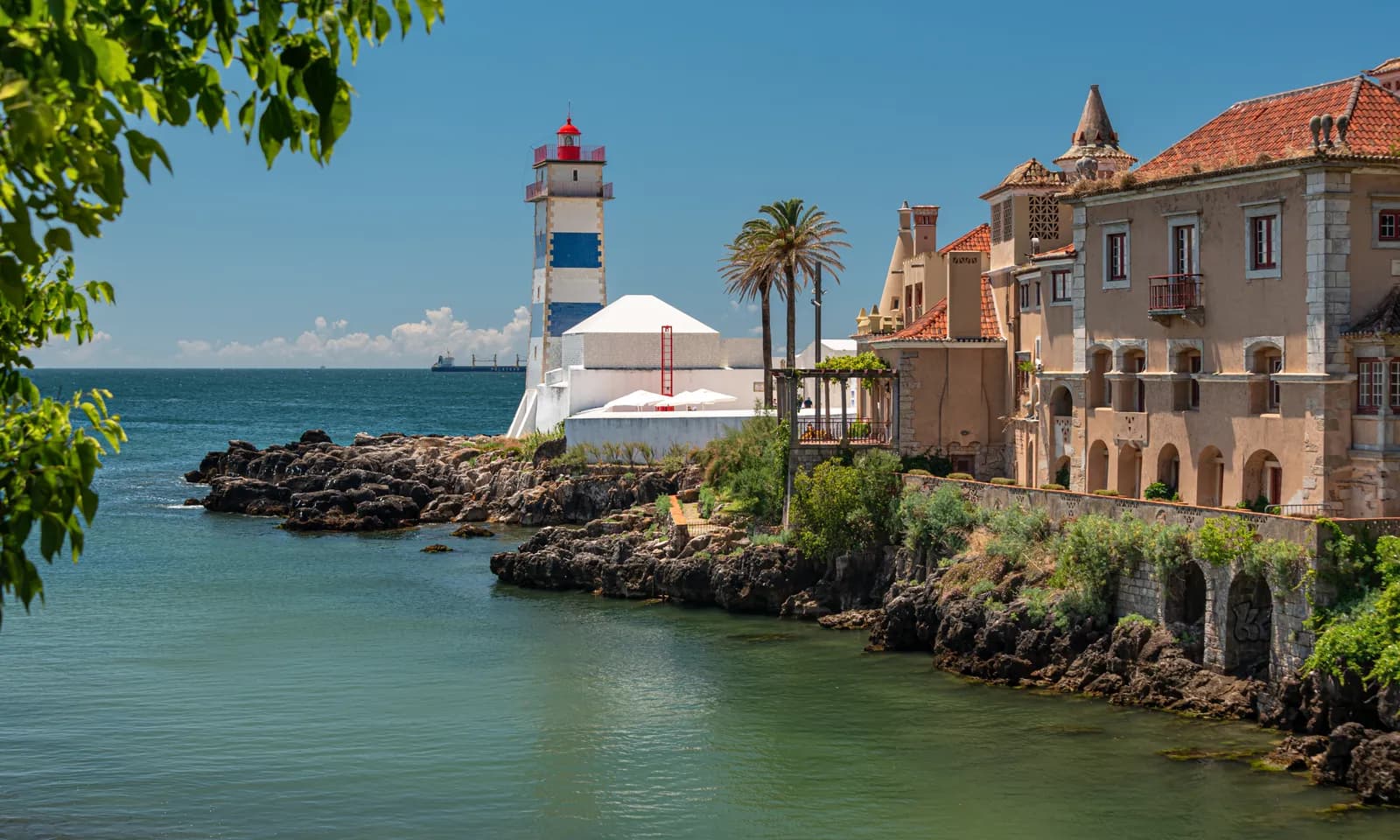
Cascais is a former fishing town turned seaside resort at the end of the coastal railway from Lisbon. It is the simplest day trip from the ship: no bookings, no timed tickets and no hills. Our guide to Cascais and Estoril on a port day covers the journey step by step; this is the short version. Getting there: walk 26 to 28 minutes west along the river to Cais do Sodré, or take a taxi (about 10 minutes), then the Cascais-line train, which runs roughly every 20 minutes and takes 33 to 40 minutes to the terminus. The single fare is 2.55 euros in 2026. Door to door, allow about 1 hour 15 minutes each way. Minimum time ashore: 6 hours, which leaves about two and a half hours in town. With 5 to 6 hours it is tight, and only worth it if a beach matters more to you than Lisbon. Under 5 hours, stay in the city. What to prioritise with two to three hours: the old town lanes and fishing harbour next to the station, the waterfront past the Cidadela to the marina, and Boca do Inferno, a sea chasm about 2 km west (around 20 minutes on foot along a flat road). Lunch on grilled fish near the harbour; a street back from the seafront is usually better value. With an extra hour, get off one station early at Estoril and walk the seafront promenade to Cascais (30 to 40 minutes). What to skip: Guincho beach and Cabo da Roca need a bus or taxi and eat the time you have. Cabo da Roca by public transport adds 2 to 2.5 hours, so do not attempt it by bus on a call under 9 hours. Skip the museums too: Cascais is an outdoor trip, and in rain it loses most of its appeal. For a first visit to Lisbon, Cascais is usually not the best use of a port day. It makes sense if you have seen the city before, want a beach and sea air, or the day is hot.
History
Cascais grew up as a fishing port and a fortified post guarding the mouth of the Tagus; the 16th-century fortress of Nossa Senhora da Luz and the 17th-century Cidadela still stand on the waterfront. From 1870 King Luís I spent his summers in the Cidadela, and the court and Lisbon's aristocracy followed, building villas along the coast. The railway from Lisbon reached Cascais in 1889 and turned it into the capital's seaside resort. During and after the Second World War, the Estoril coast sheltered refugees, spies and exiled royalty, including Umberto II of Italy and the Spanish pretender Juan de Borbón. Today it is a prosperous commuter town as well as a resort.
Why It Matters
For a cruise passenger, Cascais is the easiest way to reach the Atlantic coast near Lisbon: one train, a station in the town centre and beaches within a few minutes' walk. The ride is part of the appeal, running beside the Tagus past Belém and then along the open coast. Cascais is also the starting point for Boca do Inferno, Guincho and the bus to Cabo da Roca.
Photo Gallery
Cascais. Photo: bvi4092, CC BY 4.0, via Wikimedia Commons
Cascais. Photo: Herbert wie, CC BY-SA 4.0, via Wikimedia Commons
Tips for Cruise PassengersEssential Info
Easy: a flat walk or short taxi ride to Cais do Sodré and one train to the terminus, which is in the town centre. The old town has cobbles and some slopes; the town beaches are reached by steps or ramps.
Time from port: At least 6 hours ashore (about 1 hour 15 minutes each way plus 2.5 hours in town); 5-6 hours is tight
Buy a reusable Navegante card (0.50 euros) per person and load Zapping credit, so you can skip the ticket queue at Cais do Sodré.
Sit on the left-hand side heading out for views of the Tagus and the coast.
Pick your return train and the one before it; if a train is cancelled, the next is usually about 20 minutes behind.
Board the return train at Cascais, the terminus, to be sure of a seat.
Boca do Inferno is about 20 minutes' walk west on a flat road; stay behind the railings, especially when a swell is running.
For Estoril as well, get off at Estoril, walk the seafront promenade to Cascais (30-40 minutes) and take the train back from Cascais.
The Cascais line is being modernised in 2026, with closures at night and early on Sunday mornings between Caxias and Cascais; check cp.pt the day before.
In rain or fog, stay in Lisbon: Cascais is almost entirely an outdoor visit.
What Makes This Special
- starOld town lanes paved in wave-patterned Portuguese cobbles
- starFishing harbour and Praia da Ribeira, next to the station
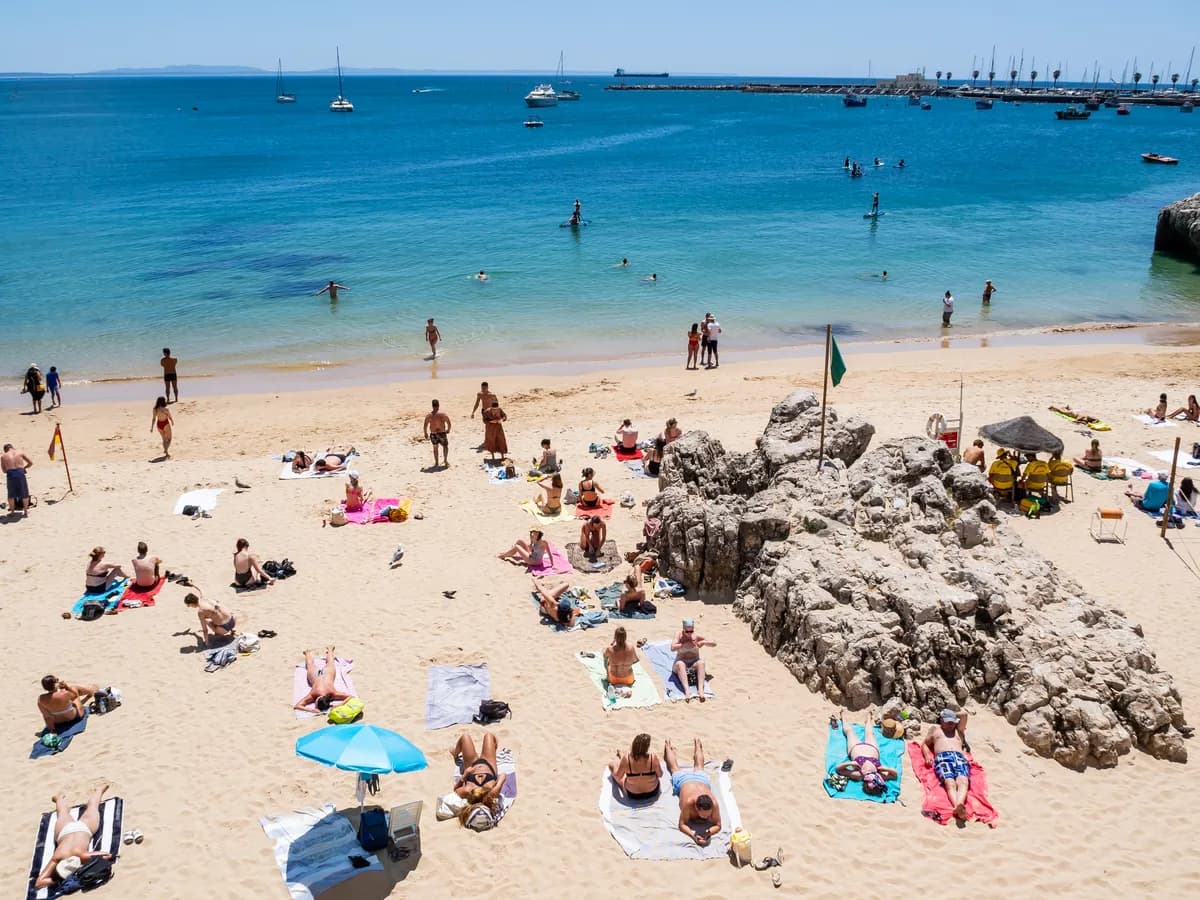
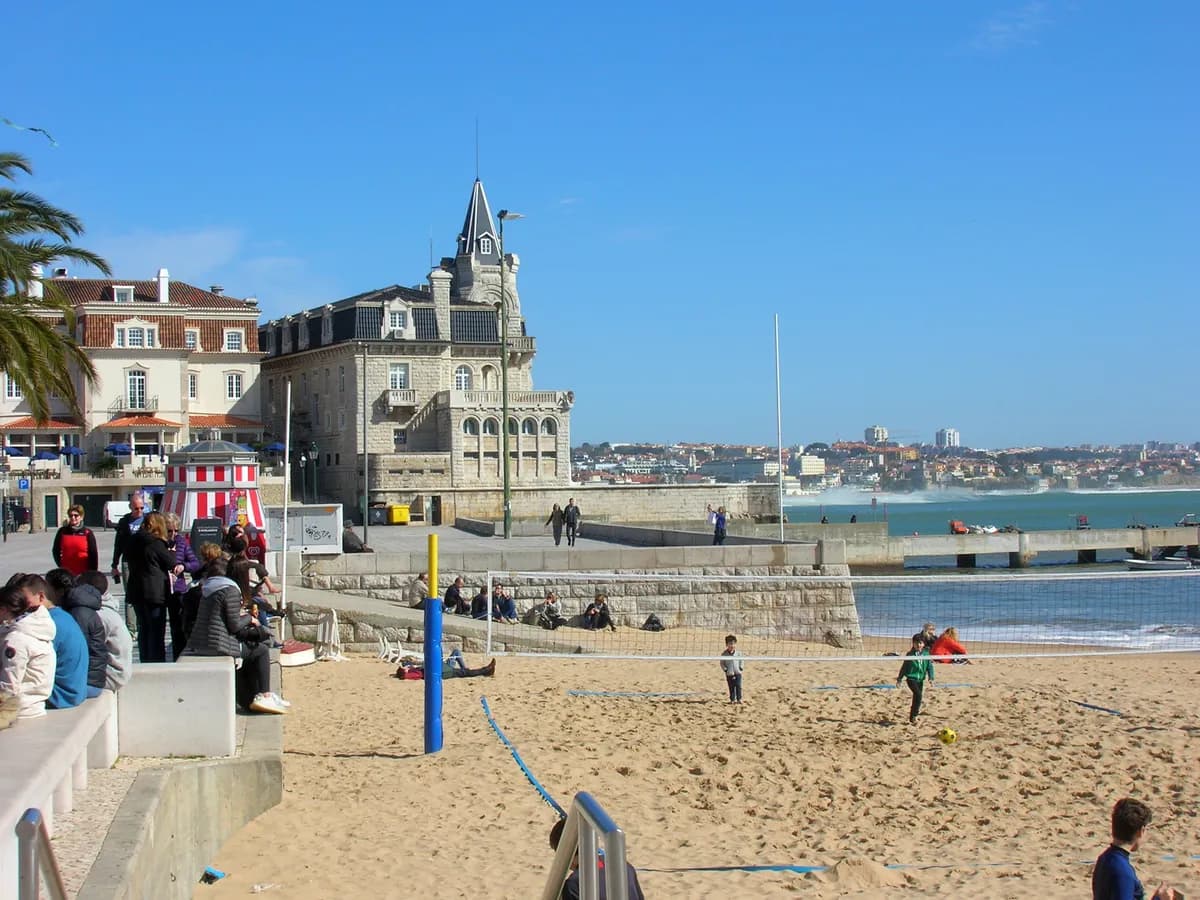
- starPraia da Rainha and Praia da Conceição, small sheltered town beaches
- starCidadela fortress and the marina on the waterfront
- starBoca do Inferno sea chasm, about 2 km west of the centre
- starMuseu Condes de Castro Guimarães, an early-20th-century mansion on the road to Boca do Inferno
- starSanta Marta Lighthouse and museum
- starSeafront promenade to Estoril
Getting There
Address
N/A - Coastal town, Cascais
From Cruise Port
Walk 26 to 28 minutes west along the river to Cais do Sodré station, or take a taxi (about 10 minutes). Cascais-line trains run roughly every 20 minutes and take 33 to 40 minutes to Cascais, the terminus. Allow about 1 hour 15 minutes door to door.