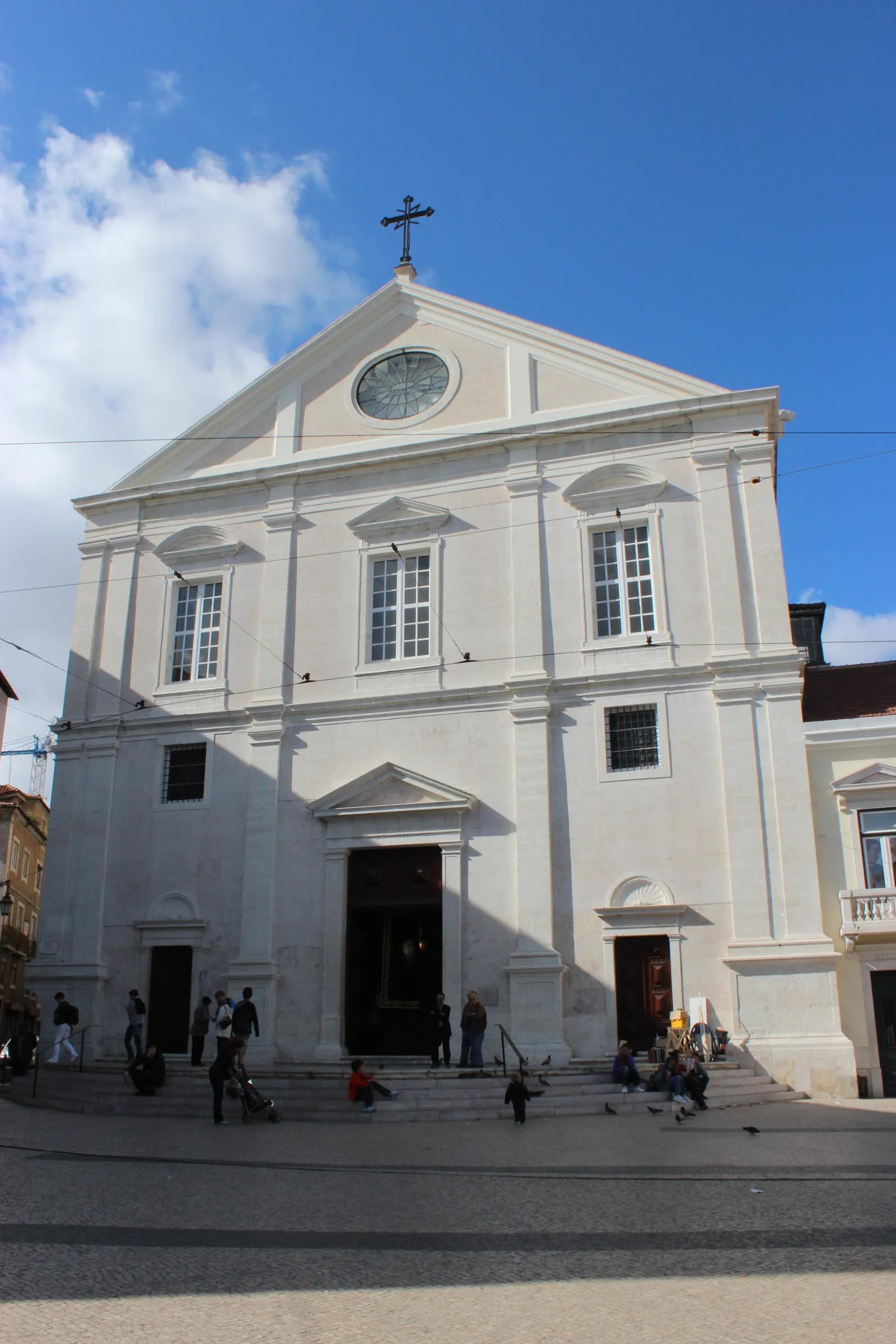
Igreja de São Roque
A plain-fronted Jesuit church in Bairro Alto with a gilded interior, free to enter, and a paid museum next door
Listing reviewed October 2026 · Confirm hours and prices with the official venue before visiting
Opening Hours
10:00 - 18:00
Admission Price
€8 per adult
Visit Duration
30–45 minutes for the church; add about 45 minutes for the museum
About This Attraction
São Roque is one of the few major sights in the upper town that fits into a short port day without queues or timed tickets. Entry to the church is free, and a focused look at the interior takes 30 to 45 minutes. From the ship, the walk is about 2.2 km and 34 minutes, with the last part uphill. The easier approach is to walk about 10 minutes to Santa Apolónia, take the metro Blue Line to Baixa-Chiado, leave by the Chiado exit and walk 5 to 7 minutes up Rua da Misericórdia to Largo Trindade Coelho. A taxi takes about 10 minutes. Check the day before you go. The church opens at 10:00 from Tuesday to Sunday but only at 13:00 on Mondays, and the museum is closed all day on Monday. Mass is said at 12:30 from Tuesday to Sunday, and visits are restricted during services, so aim to arrive before about 12:15 or after 13:15. With limited time, go straight to the Chapel of St John the Baptist, the last chapel on the left before the main altar. Built in Rome from marble, alabaster, lapis lazuli and gilt bronze, it was shipped to Lisbon in pieces. Then look up at the painted wooden ceiling and walk the line of side chapels. Large tour groups tend to come through in the late morning; the first hour after opening is usually calmer. The museum (€8) is worth adding only if you have an extra 45 minutes. It holds the chapel's original silver, vestments and liturgical objects, plus Jesuit art from Asia. If time is short, skip it: the chapel itself is in the church. The Miradouro de São Pedro de Alcântara is two minutes' walk north, and Chiado is five minutes downhill, so São Roque combines easily with both before you head back to the river.
History
A small chapel to São Roque, protector against plague, stood here from 1506. The Jesuits took over the site in 1553 and built their main Lisbon church, designed with input from Afonso Álvares and later Filippo Terzi, as one of the first Jesuit churches in Portugal. In 1742 King João V commissioned the Chapel of St John the Baptist in Rome from Luigi Vanvitelli and Nicola Salvi; it was consecrated there by Pope Benedict XIV in 1744 and shipped to Lisbon in 1747. The church came through the 1755 earthquake with relatively little damage, though its façade was rebuilt afterwards. After the Jesuits were expelled, a royal letter of 1768 gave the church and their residence to the Santa Casa da Misericórdia, which still runs them.
Why It Matters
São Roque set the model for Jesuit churches in Portugal: a single wide nave with interconnected side chapels and a flat wooden ceiling. The Chapel of St John the Baptist is a rare complete piece of 18th-century Roman decorative art outside Italy, and its treasury has been classified as a Portuguese National Treasure. For a visitor, it shows how much Brazilian gold flowed into Lisbon under João V.
Photo Gallery
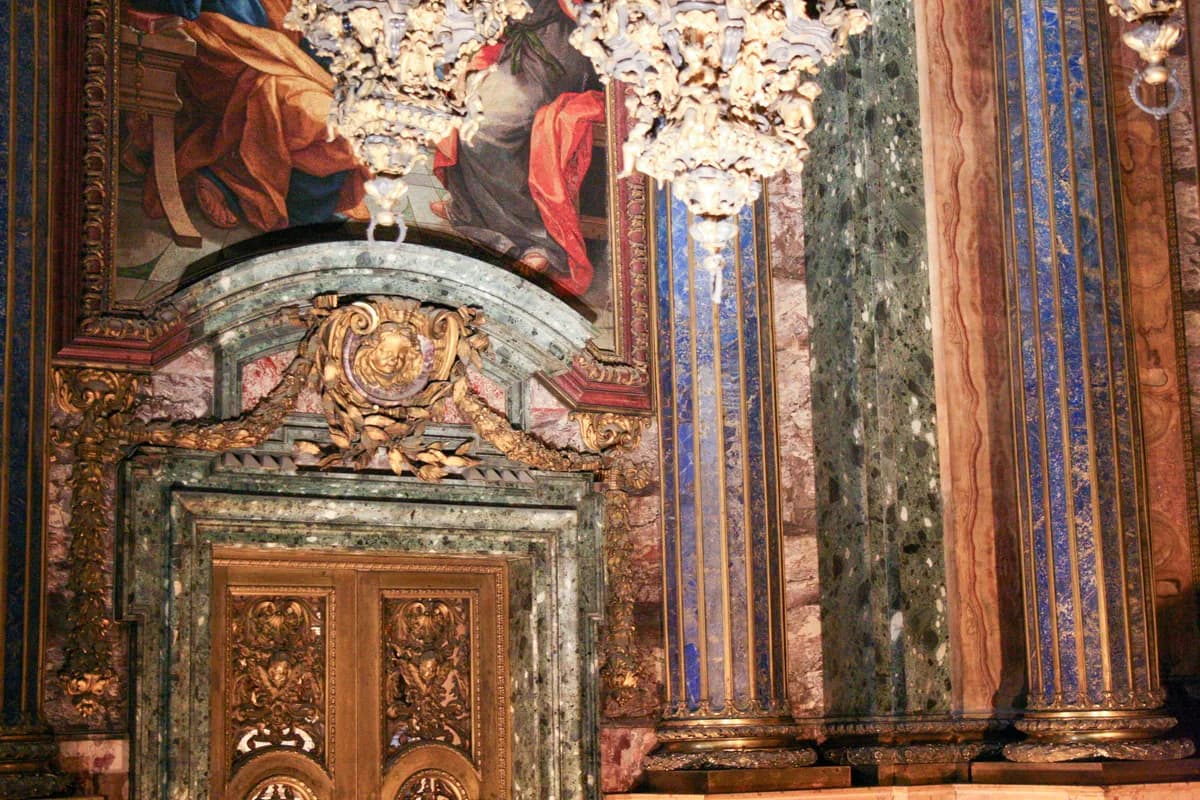
Igreja de São Roque. Photo: Szilas, CC BY 4.0, via Wikimedia Commons
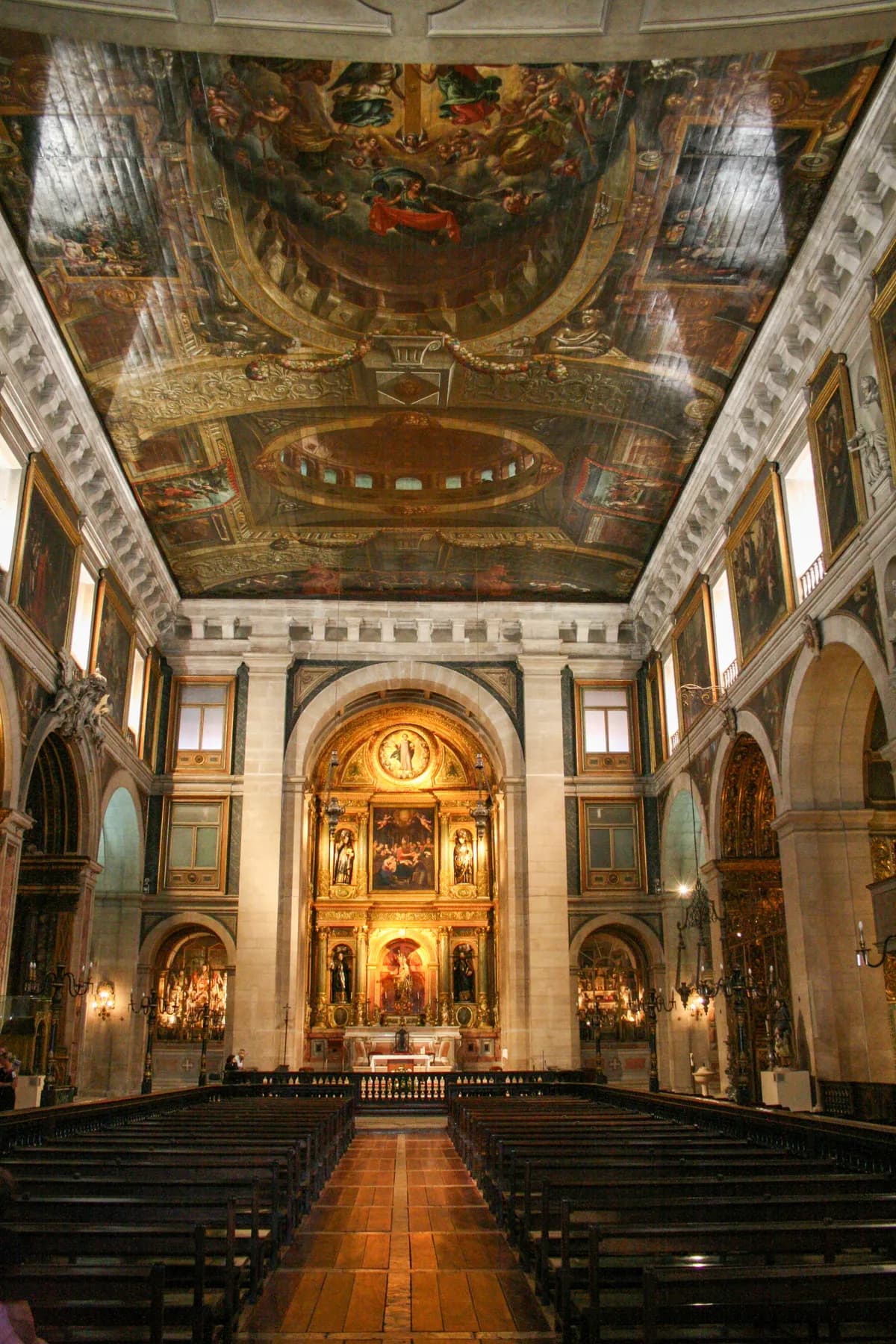
Igreja de São Roque. Photo: Szilas, CC BY 4.0, via Wikimedia Commons
Tips for Cruise PassengersEssential Info
Uphill approach from the river; the metro to Baixa-Chiado leaves a gentle 5–7 minute walk. The church is at street level. The museum has lifts and ramps to all areas and an adapted toilet on the ground floor.
Time from port: About 1.5–2 hours: 25–35 minutes each way by metro or on foot, plus 30–45 minutes in the church (add 45 minutes for the museum)
Do not visit on a Monday morning: the church opens only at 13:00 and the museum is closed all day.
Mass is at 12:30 from Tuesday to Sunday; arrive before about 12:15 or after 13:15 to see the chapels freely.
Take the metro Blue Line from Santa Apolónia to Baixa-Chiado and use the Chiado exit; Largo Trindade Coelho is 5–7 minutes' walk up Rua da Misericórdia.
Go first to the Chapel of St John the Baptist, the last chapel on the left before the main altar.
The church is free; the museum costs €8 (€4 for over-65s and students under 25) and is closed on Mondays.
The Lisboa Card gives 50% off the museum, not free entry.
Museum tickets are sold only at the desk, and you must keep the receipt until the end of your visit.
Walk two minutes north to the Miradouro de São Pedro de Alcântara afterwards for a view of the castle across the valley.
What Makes This Special
- starChapel of St John the Baptist, made in Rome in the 1740s from marble, alabaster, lapis lazuli and gilt bronze
- starPainted wooden ceiling over a single wide nave
- starSide chapels with gilded woodwork, azulejos and marble
- starMuseum with the chapel's original silver, vestments and liturgical objects
- starJesuit reliquaries and religious art from Asia in the museum
- starFree entry to the church
Getting There
Address
Largo Trindade Coelho, Lisbon
From Cruise Port
About 2.2 km and 34 minutes on foot, the final stretch uphill. Easier: metro Blue Line from Santa Apolónia to Baixa-Chiado, then 5-7 minutes on foot from the Chiado exit, gently uphill along Rua da Misericórdia. The Elevador da Glória funicular has been closed since the September 2025 accident. Taxi about 10 minutes.
Nearby Attractions
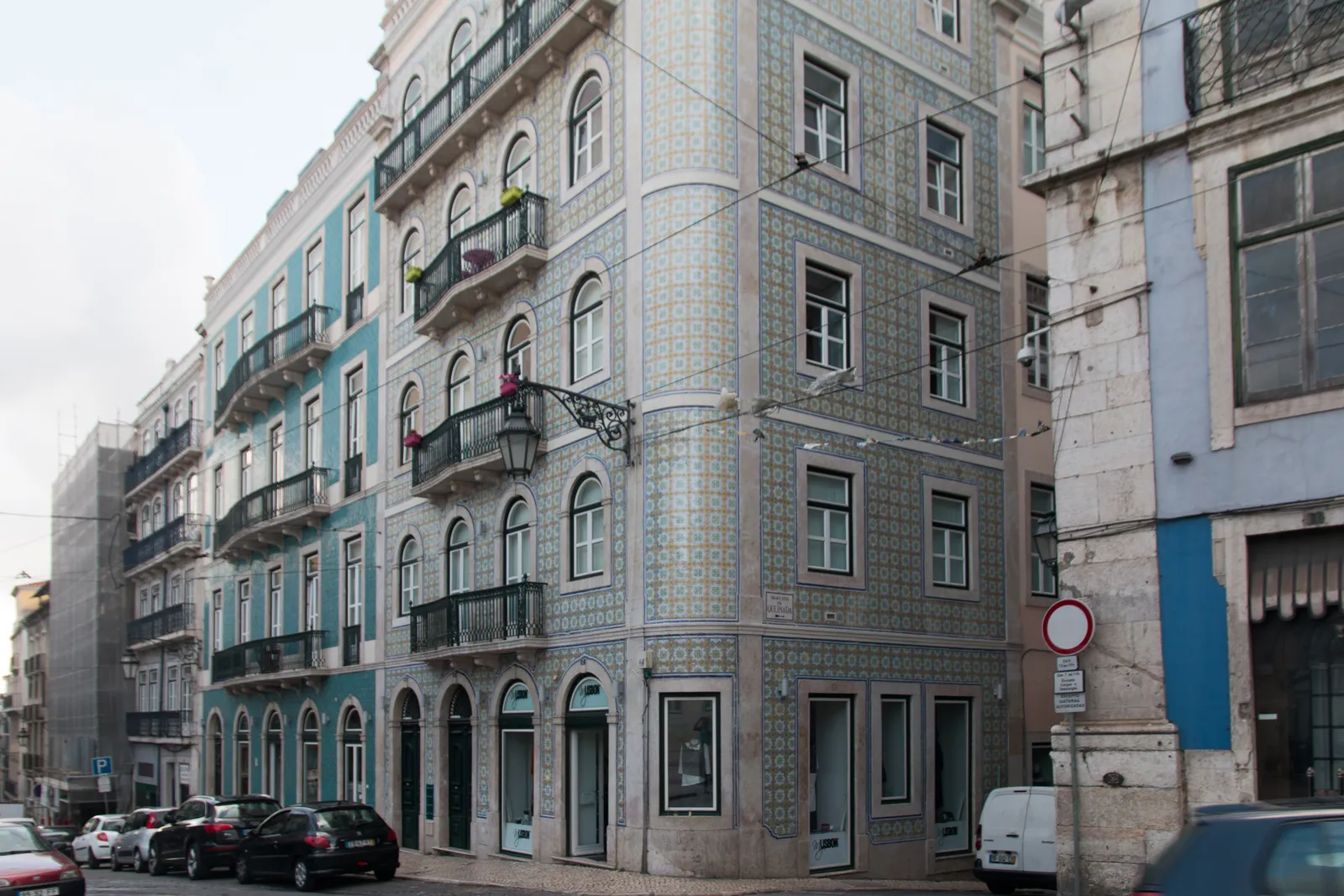
Bairro Alto
A grid of steep, narrow streets above Chiado: quiet and walkable by day, packed with small bars at night
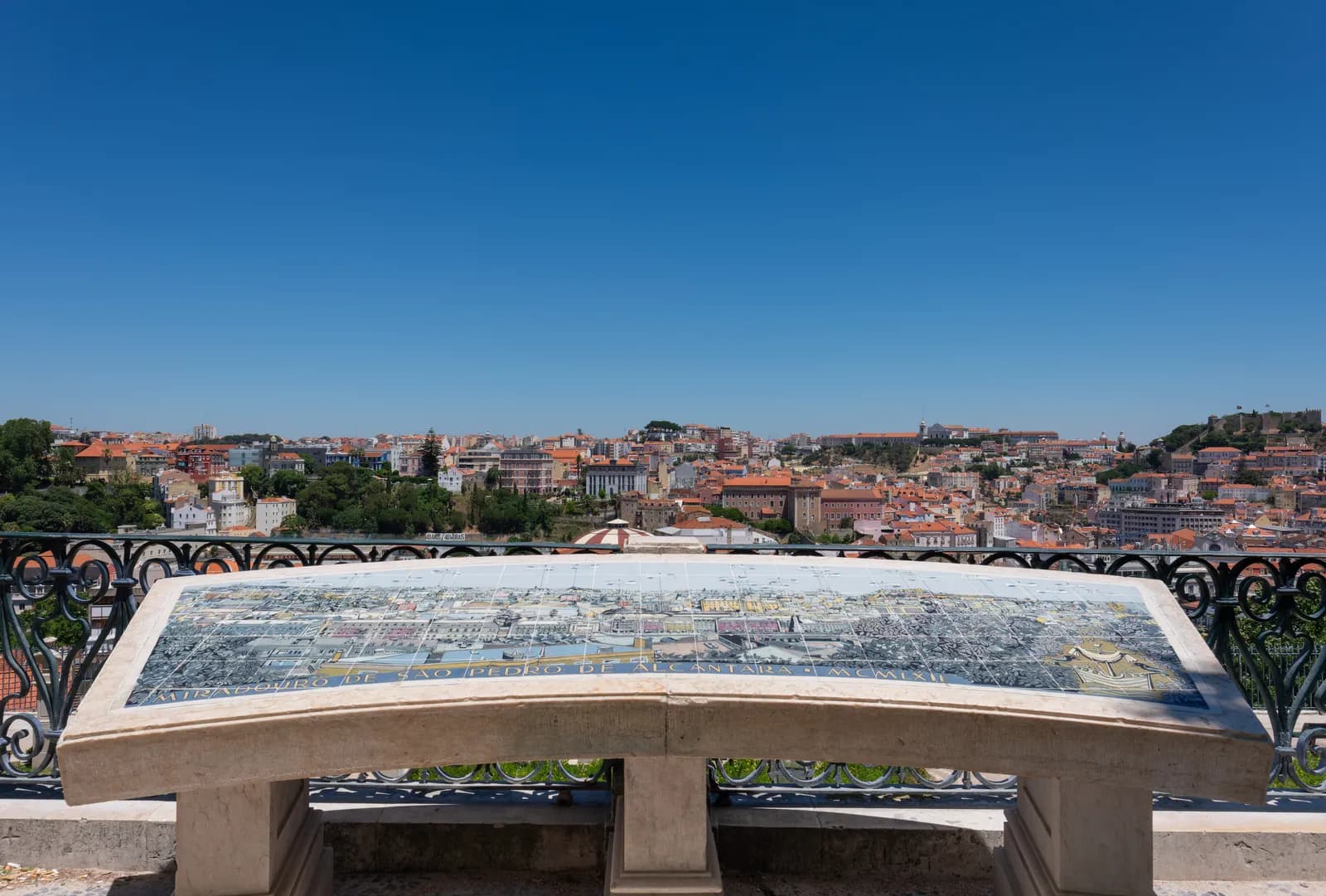
Miradouro de São Pedro de Alcântara
A free two-level garden terrace in Bairro Alto looking east across the Baixa to the castle
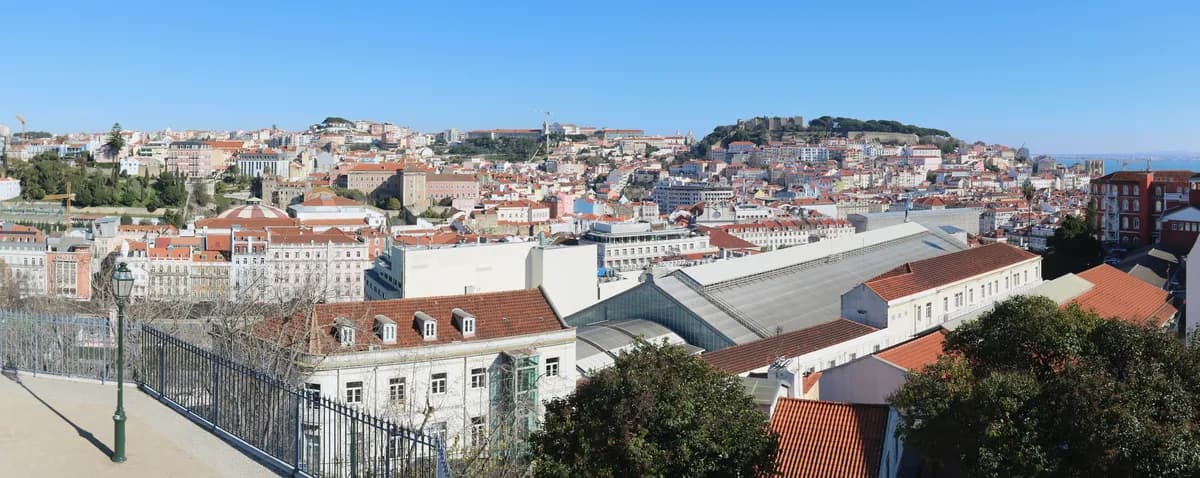
PARK Rooftop Bar
A bar on the roof of a car park on Calçada do Combro, looking west over Bica to the river and the 25 de Abril Bridge
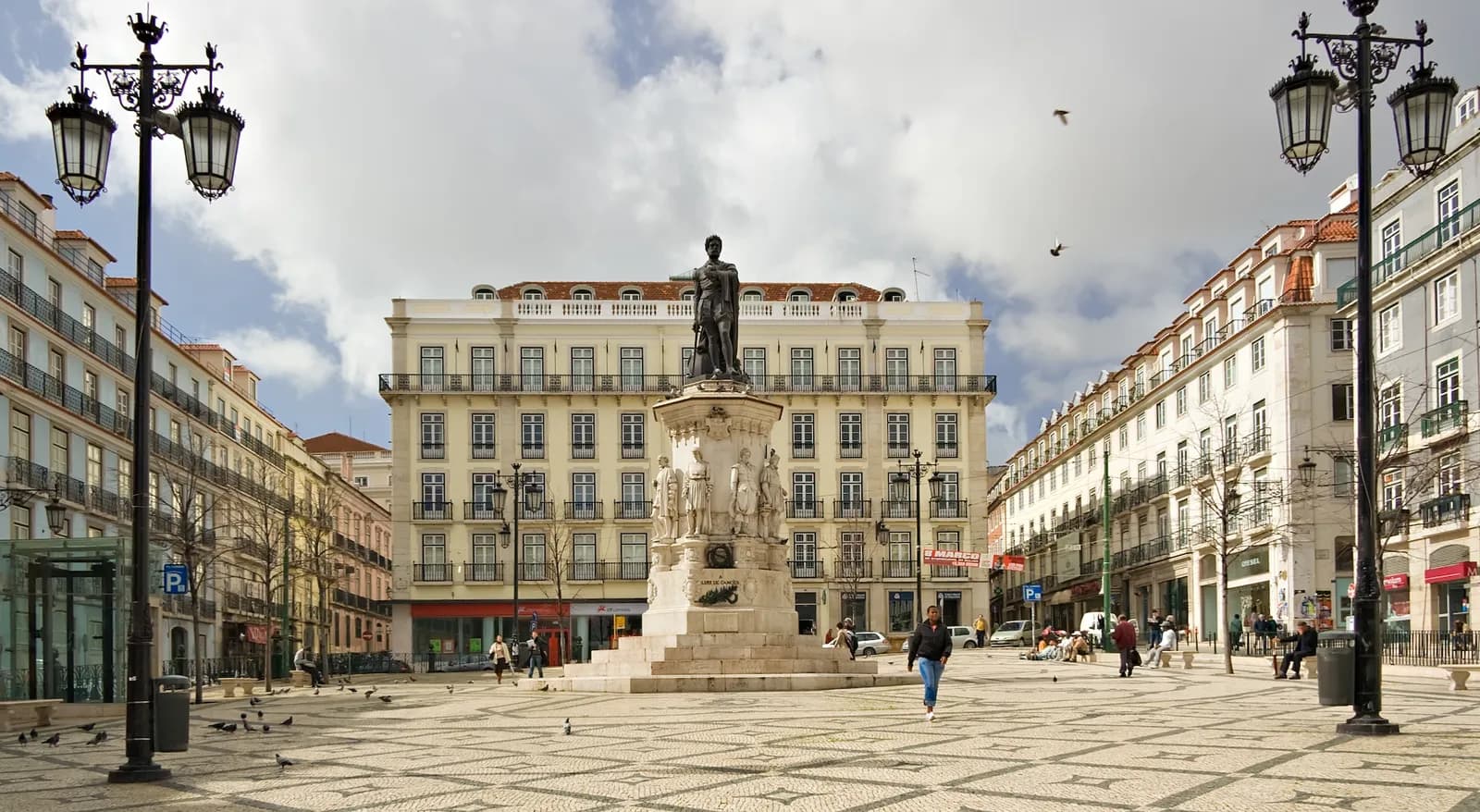
Chiado
Lisbon's café and bookshop quarter, 25 minutes' walk or two metro stops from the ship