Museu do Fado (Fado Museum)
A compact museum of Lisbon's own music, six minutes' flat walk from the ship
Listing reviewed October 2026 · Confirm hours and prices with the official venue before visiting
Opening Hours
10:00 - 18:00
Admission Price
€5 per adult
Visit Duration
1-1.5 hours
About This Attraction
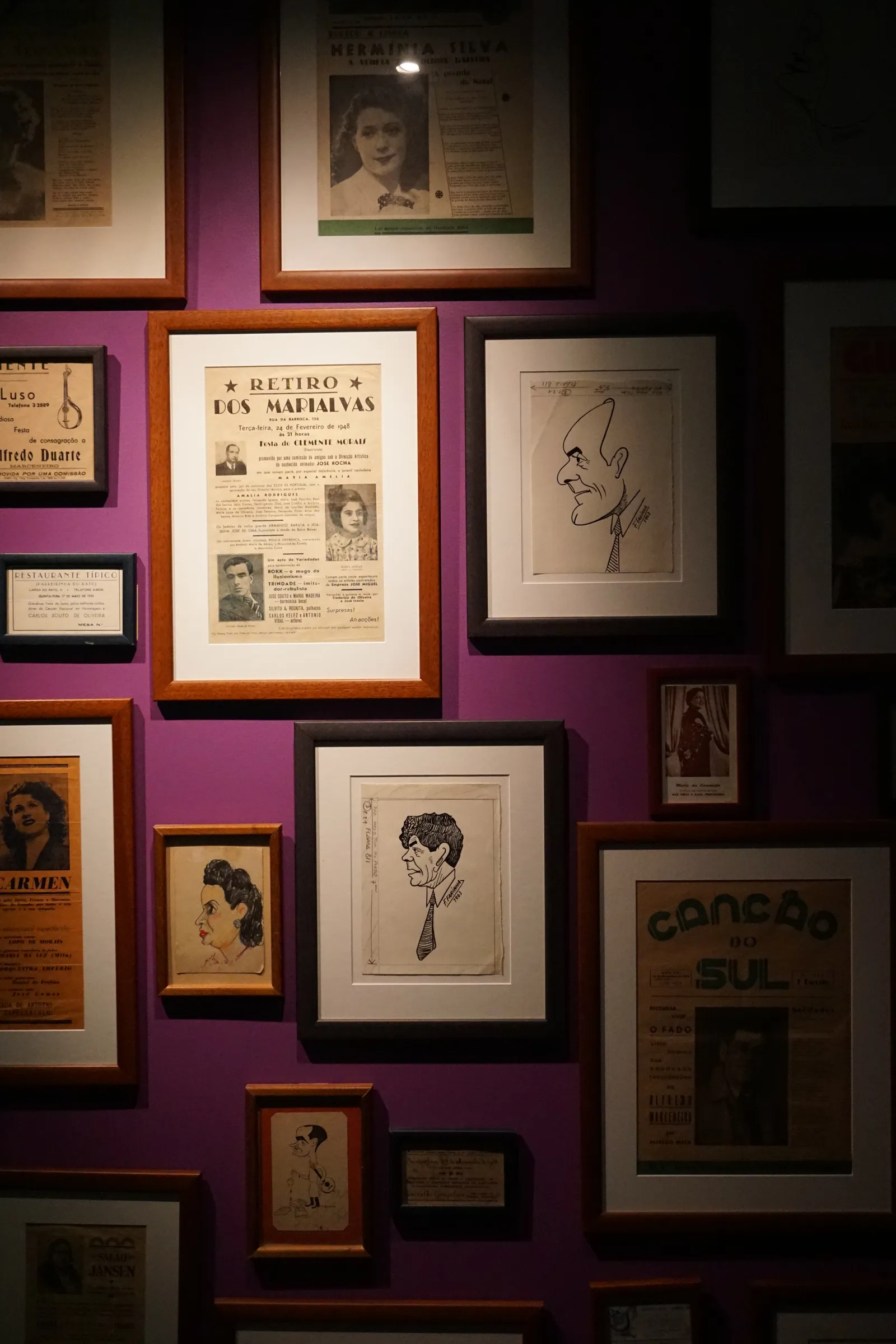
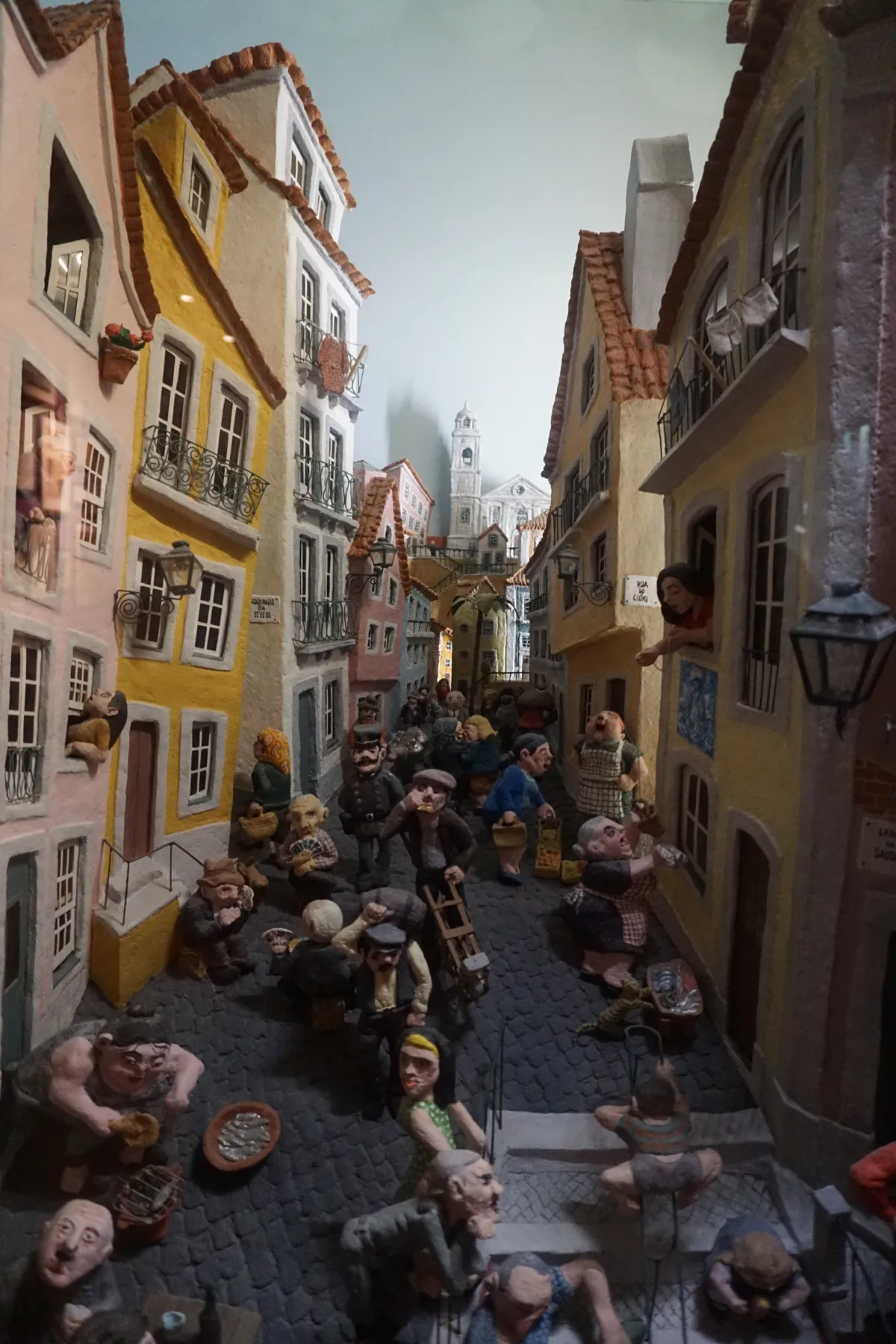
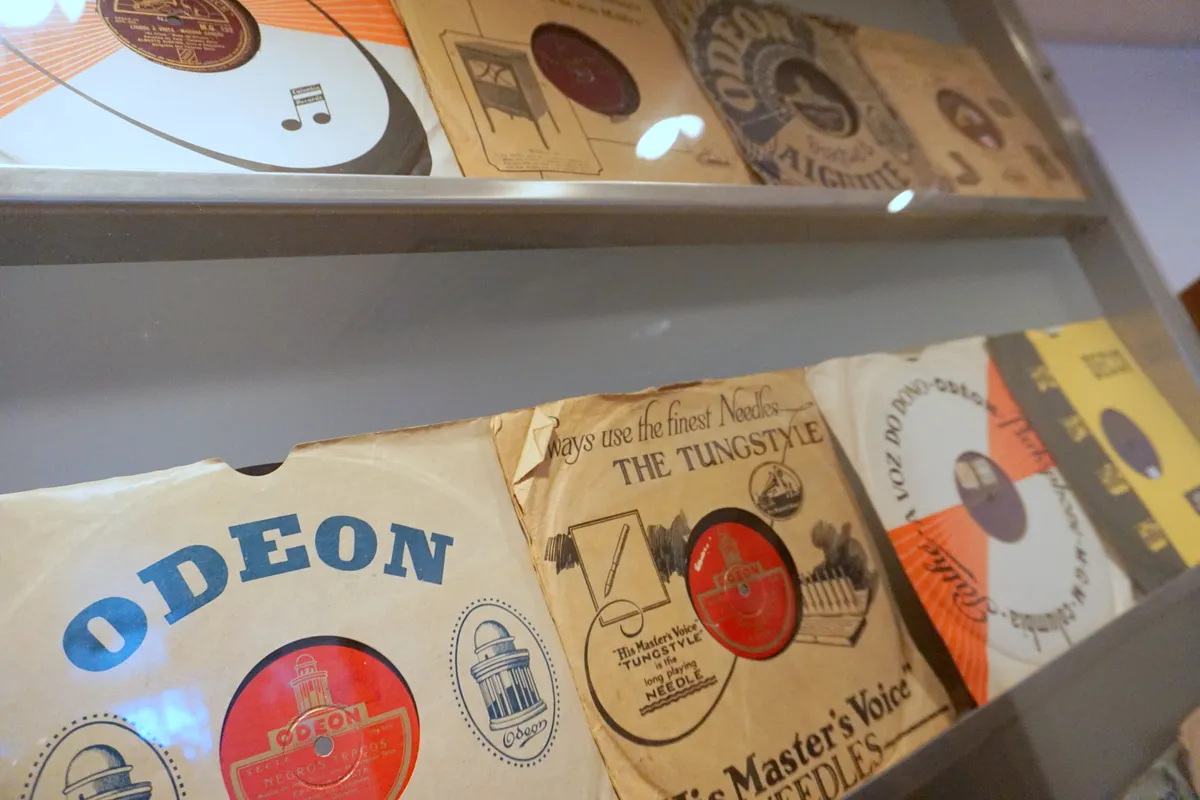
The Fado Museum is the easiest cultural visit of any Lisbon port day. It stands on Largo do Chafariz de Dentro at the foot of Alfama, about 400 m and a flat six-minute walk from the Jardim do Tabaco terminal, so it works as the first stop after you step ashore, the last stop before all-aboard, or a dry hour if it rains. The permanent exhibition follows fado from the 19th-century taverns of Alfama and Mouraria to the international stage. The part most visitors remember is the listening: recordings of singers from different decades let you hear how the style changed, and the wall of portraits of fadistas gives faces to the voices. There is also a section on the Portuguese guitar, the 12-string, pear-shaped instrument that gives fado its sound. An audioguide is available in English, French and Spanish as well as Portuguese. Most people need 60 to 90 minutes. If you are short of time, go straight to the listening points and the guitar section; 45 minutes is enough for the essentials. The museum is closed on Mondays, so check your call day before planning around it. Tuesday to Sunday it opens at 10:00, which is usually quieter than late morning, when walking groups heading into Alfama pass through the square. Admission is 5 euros for adults and free for children up to 12 and for Lisboa Card holders. The museum pairs naturally with a walk up through Alfama: the Miradouro de Santa Luzia and Portas do Sol viewpoints are a steep 15 minutes above it, and on Tuesdays and Saturdays the Feira da Ladra flea market runs at Campo de Santa Clara, a short uphill walk away. If your ship stays overnight, visiting the museum first gives useful context for an evening fado house in the same neighbourhood.
History
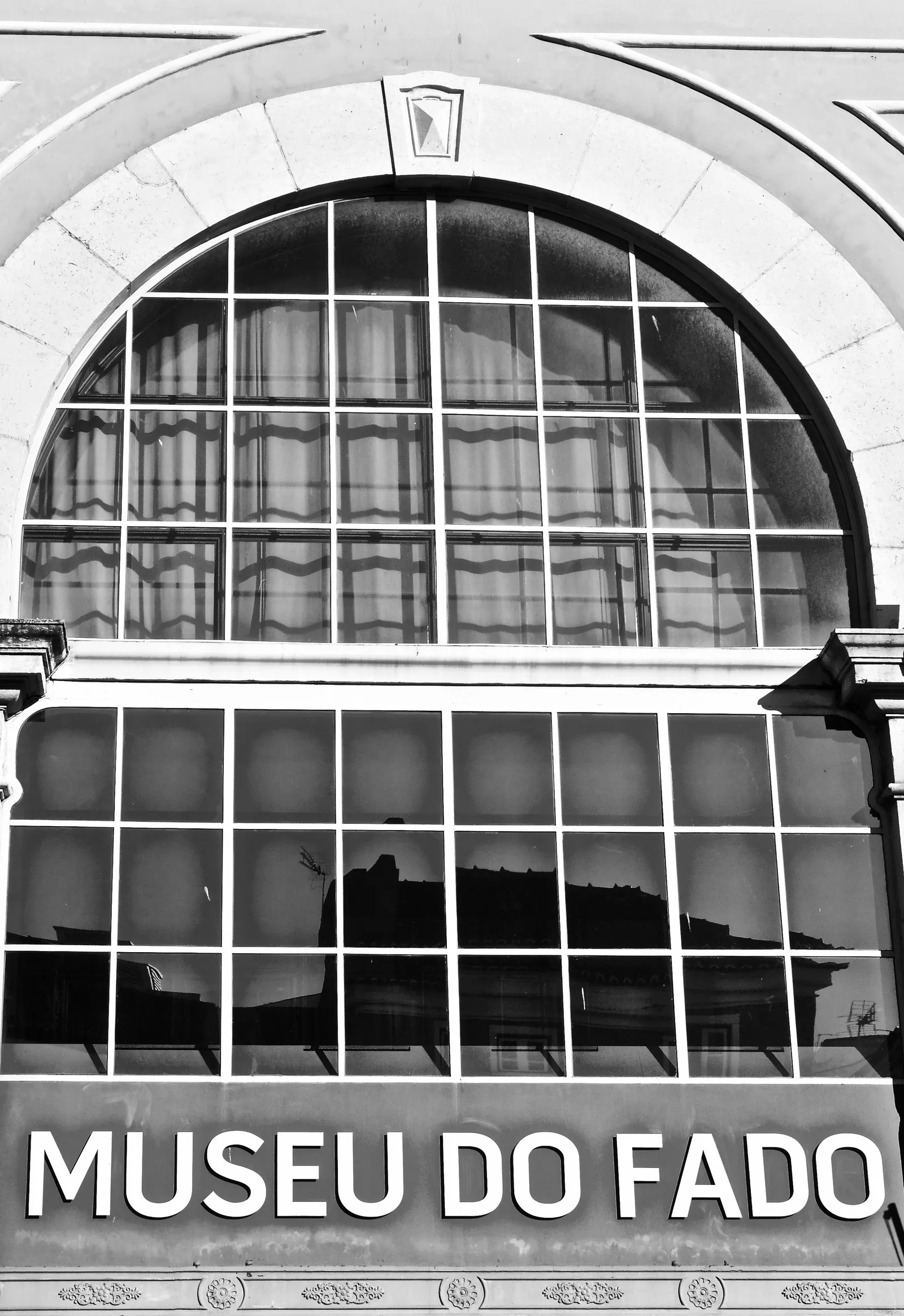
The museum opened in 1998 in the former Recinto da Praia water pumping station, an industrial building on the square where Alfama's residents once collected water from the Chafariz de Dentro fountain. The location is fitting: fado grew up in these streets in the first half of the 19th century, sung in taverns and sailors' bars before it moved into theatres, radio and records in the 20th century. Amália Rodrigues took it worldwide from the 1950s. In 2011 UNESCO inscribed fado on its list of the Intangible Cultural Heritage of Humanity, in a candidacy prepared by the city of Lisbon with the museum.
Why It Matters
It is the one place in Lisbon where fado is explained rather than just performed. For a visitor with only a few hours, it turns a style of music you may hear in passing into something you understand: who the key singers were, why the guitar sounds as it does, and how the songs relate to the city around you. Its location makes that possible without any transport.
Photo Gallery
Museu do Fado (Fado Museum). Photo: Matt Kieffer from London, United Kingdom, CC BY-SA 2.0, via Wikimedia Commons
Museu do Fado (Fado Museum). Photo: Matt Kieffer from London, United Kingdom, CC BY-SA 2.0, via Wikimedia Commons
Tips for Cruise PassengersEssential Info
Flat 400 m walk from the Jardim do Tabaco terminal. The museum states it has wheelchair access and lends two manual wheelchairs free of charge.
Time from port: About 1.5 to 2 hours including the walk (6 minutes each way)
Closed on Mondays and on 1 January, 1 May and 24, 25 and 31 December: check your call date first.
Adult tickets are 5 euros; children up to 12 are free, and visitors aged 13 to 25 pay 2.50 euros.
Lisboa Card holders enter free, which makes it a good first stop if you have bought the card for transport.
Last admission is 17:30, so it also works as a final stop before an evening all-aboard.
With under an hour, head straight for the listening points and the guitar section.
Pick up the audioguide at the desk; the recordings are the core of the visit.
From here, the climb to the Santa Luzia viewpoint takes about 15 minutes on steep streets and steps.
Tram 28 does not stop outside; walking up through Alfama is quicker than queuing for it.
What Makes This Special
- starListening points with recordings of fadistas across the decades
- starPortrait wall of fado singers and musicians
- starPortuguese guitar section, including instrument-making
- starMaterial on Amália Rodrigues and other leading performers
- starFormer 19th-century pumping station building on Largo do Chafariz de Dentro
- starTemporary exhibitions and occasional events (check the museum's agenda)
Getting There
Address
Largo do Chafariz de Dentro, 1, Lisbon
From Cruise Port
About 400 m and 6 minutes on foot from the Jardim do Tabaco terminal, on Largo do Chafariz de Dentro at the bottom of Alfama; flat all the way.
Nearby Attractions

Panteão Nacional (National Pantheon)
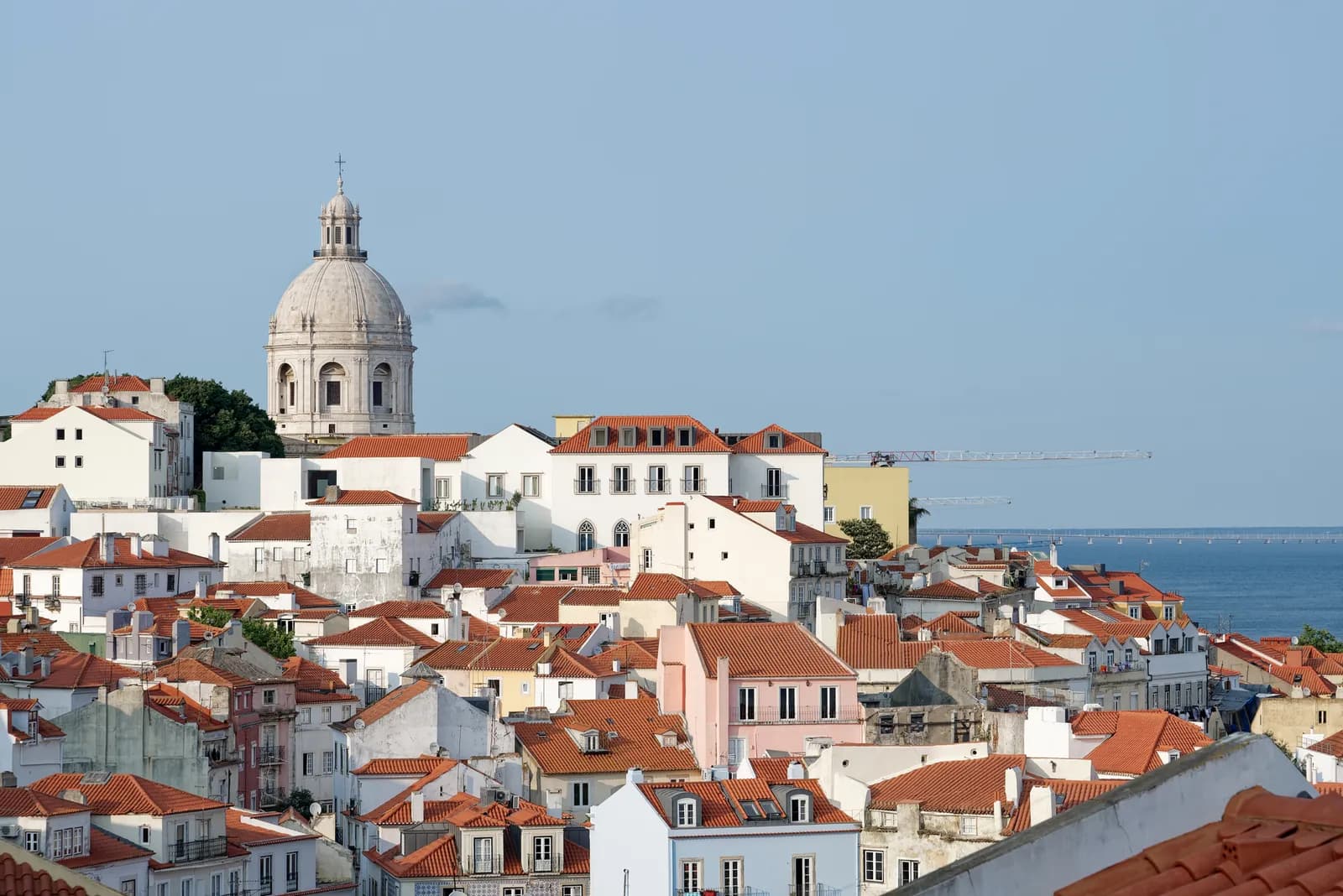
Portugal's state pantheon, 10 minutes uphill from the ship, with an open-air terrace around the dome.

Alfama
Lisbon's oldest quarter begins across the road from the cruise terminal
Traditional Fado Dinner Show
How a fado dinner in Alfama works: timings, prices, etiquette and how to pick a house.
Miradouro de Santa Luzia
Tiled terrace viewpoint over Alfama and the river, next door to Portas do Sol