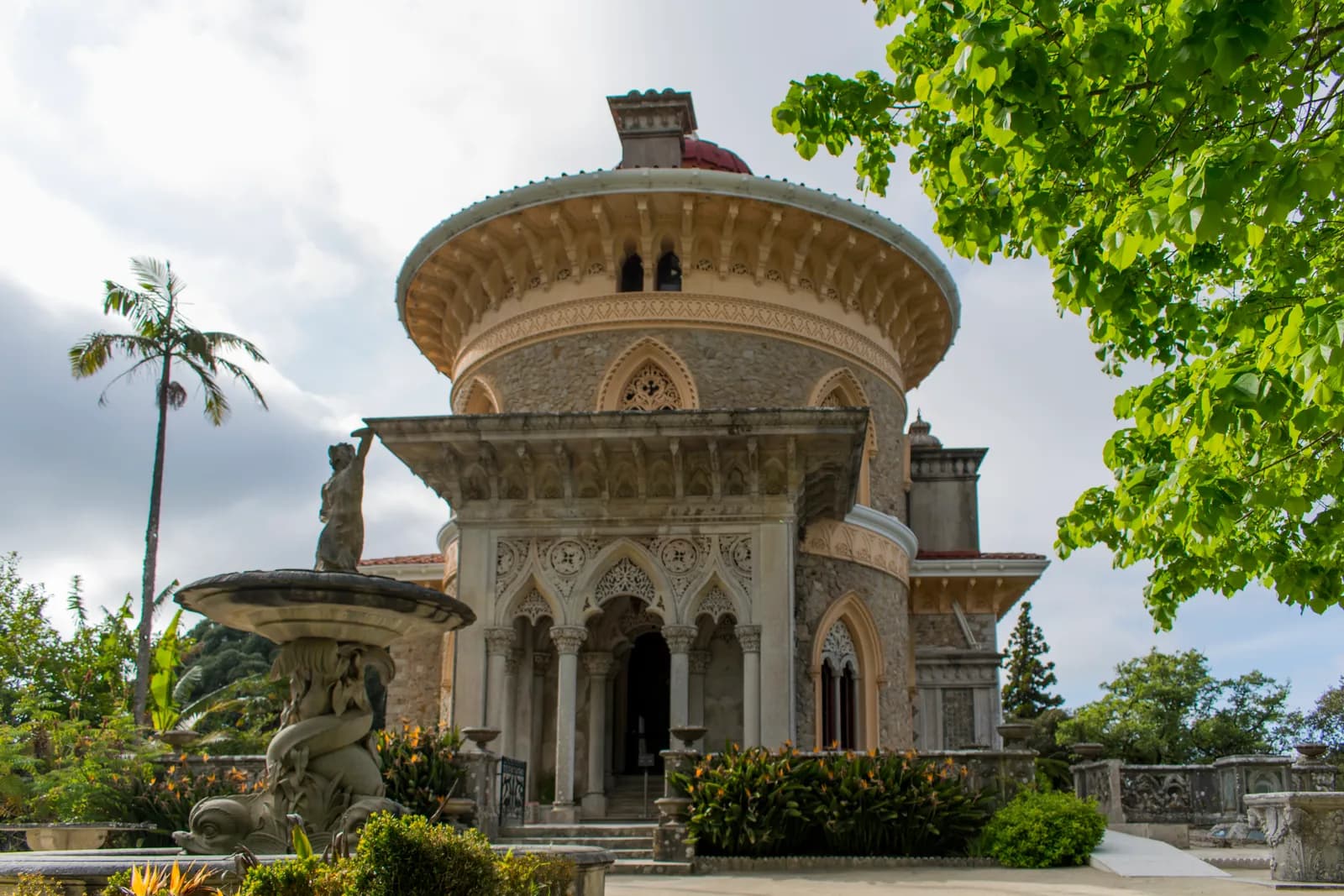
Palácio de Monserrate
A botanical park and an Indian-Gothic palace west of Sintra, the calm alternative for garden lovers on a long call.
Listing reviewed October 2026 · Confirm hours and prices with the official venue before visiting
Opening Hours
09:00 - 19:00
Admission Price
€12 per adult
Visit Duration
2-2.5 hours (palace and the main parts of the park)
About This Attraction
Monserrate is the Sintra choice for people who would rather spend two hours in a garden than in a queue. It lies west of the town centre on the road to Colares, outside the bus 434 circuit, and sees far fewer visitors than Pena or Regaleira. From the Jardim do Tabaco terminal allow about 90 minutes each way: metro to Restauradores, the train from Rossio to Sintra (about 40 minutes), then Scotturb bus 435 or Carris Metropolitana 1253 from the station. With two to two and a half hours on site, it needs a call of about eight to nine hours. Choose it over Pena or Regaleira if gardens interest you more than the famous images, if you have seen Sintra before, or if crowds put you off. On a first visit with time for one site, most people will be happier at Pena or Regaleira. Know one thing before you go: until the end of the first quarter of 2027 the palace roofs are being restored, with scaffolding and a temporary cover on the building. The palace stays open, but the exterior will not look like the photographs. The ticket (12 euros, for a date, no time slot) covers the park and the palace, whose route includes the atrium, central gallery, library, music room and kitchen, with Gothic, Indian and Moorish decoration throughout. The park is the larger part of the visit: the Fern Valley, the Japanese Garden, a Mexican-style garden of agaves and palms, Beckford's Waterfall, the Indian Arch, the rose garden and romantic ruins. Paths are long and sloping, and the electric hop-on hop-off shuttle inside the park is currently out of service. The Monserrate Tea House in the park serves light meals. Bus 435 also stops at Quinta da Regaleira, so the two pair on one bus line on a call of ten hours or more. Pena and Monserrate do not: you would have to come back to town and change buses.
History
In 1540 Friar Gaspar Preto built a hermitage here dedicated to Our Lady of Monserrate. After the 1755 earthquake left it in ruins, the British merchant Gerard de Visme rented the estate in 1789 and built a neo-Gothic house. The writer William Beckford took it over in 1794 and worked on the gardens, and Lord Byron later praised the abandoned estate in Childe Harold's Pilgrimage. In 1863 the British collector Francis Cook acquired Monserrate and had James Knowles Jr. build the present palace, while the landscape designer William Stockdale, the botanist William Neville and the gardener James Burt shaped the park. The Portuguese state bought the property in 1949, and Parques de Sintra reopened the restored palace in 2010.
Why It Matters
Monserrate is one of the most notable Romantic landscapes in Portugal and one of its finest botanical gardens, with exotic plants grouped by region of origin alongside native cork oaks, arbutus and holly. The palace combines Gothic, Indian and Moorish references, a mix not found elsewhere in Sintra. Since 2020 the park and palace have been part of the Council of Europe's European Route of Historic Gardens.
Photo Gallery
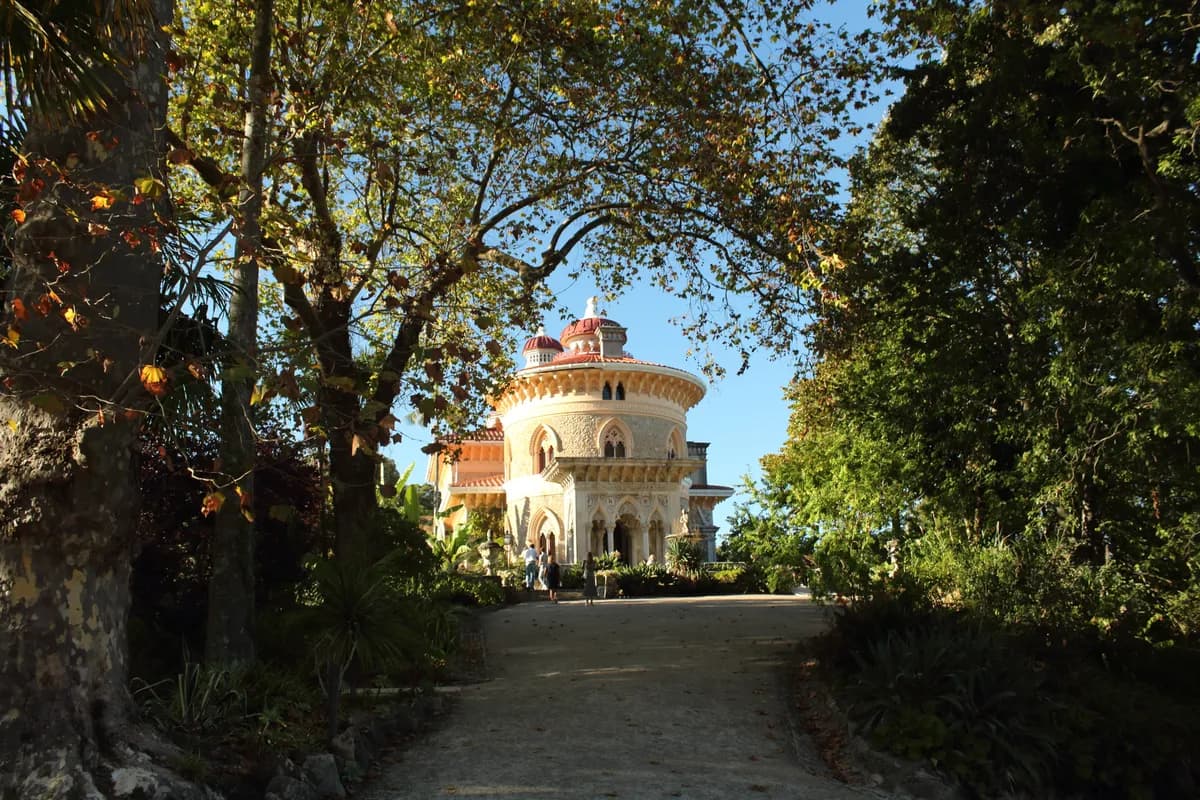
Palácio de Monserrate. Photo: LennyAragon, CC BY-SA 4.0, via Wikimedia Commons
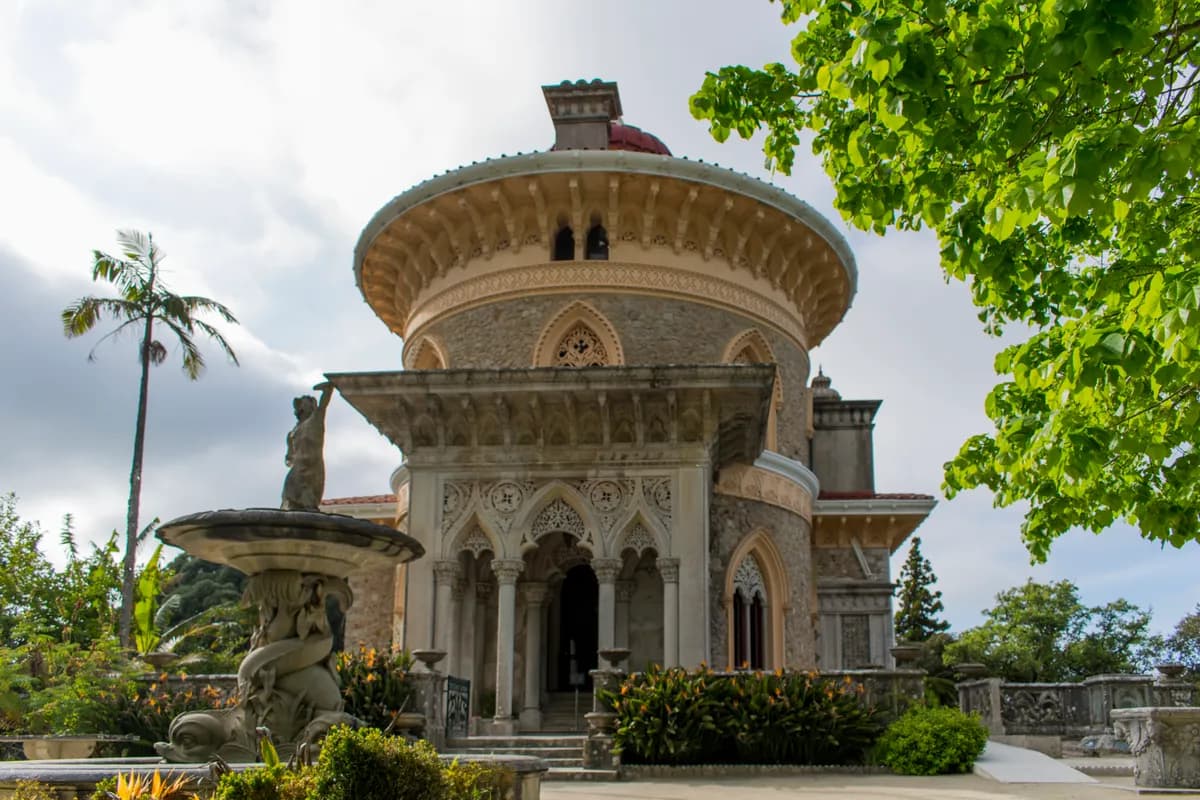
Palácio de Monserrate. Photo: Jorge Lobo, CC BY-SA 4.0, via Wikimedia Commons
Tips for Cruise PassengersEssential Info
Metro, a 40-minute train and a short bus ride west of town on bus 435 or 1253. The park has long, sloping paths and the internal electric shuttle is currently out of service, so the visit involves a lot of walking.
Time from port: About 5.5 hours door to door (around 90 minutes each way plus 2-2.5 hours on site); needs a call of 8-9 hours or more
Buy the 12-euro ticket online before you sail; it is for a date, not a time slot, and covers both park and palace.
From Sintra station take Scotturb bus 435 or Carris Metropolitana 1253. Scotturb's 24-hour ticket (10.96 euros online) covers 435 and 434; the Lisboa Card is not valid on either.
Bus 435 also serves Quinta da Regaleira, so the two pair on one line; Pena is on a different route and needs a change in town.
Until the end of the first quarter of 2027 the palace roofs are under scaffolding and a temporary cover; the interior stays open.
The palace closes before the park: last palace ticket 17:00 and last entry 17:30, against 18:00 for the park.
The electric hop-on hop-off shuttle inside the park is out of service, so plan to walk the whole visit on sloping paths.
Scotturb lists the last 435 departure from Monserrate around 18:30; check the time on the day and do not rely on the last bus.
Closed 24, 25 and 31 December and 1 January; the Monserrate Tea House in the park serves light meals.
What Makes This Special
- starPalace mixing Gothic, Indian and Moorish references, built for Francis Cook from 1863
- starCentral gallery, library, music room and kitchen on the palace route
- starFern Valley with tree ferns
- starJapanese Garden with camellias, azaleas and bamboo
- starMexican-style garden of agaves and palms
- starBeckford's Waterfall, the Indian Arch and romantic ruins
- starRose garden and the lawn
Getting There
Address
Rua Barbosa du Bocage, Sintra
From Cruise Port
Walk about 10 minutes to Santa Apolónia and take the metro Blue Line to Restauradores; Rossio station is a two-minute walk. Trains from Rossio reach Sintra in about 40 minutes. From Sintra station take Scotturb bus 435 or Carris Metropolitana 1253 to Monserrate. Allow about 90 minutes door to door each way.
Nearby Attractions
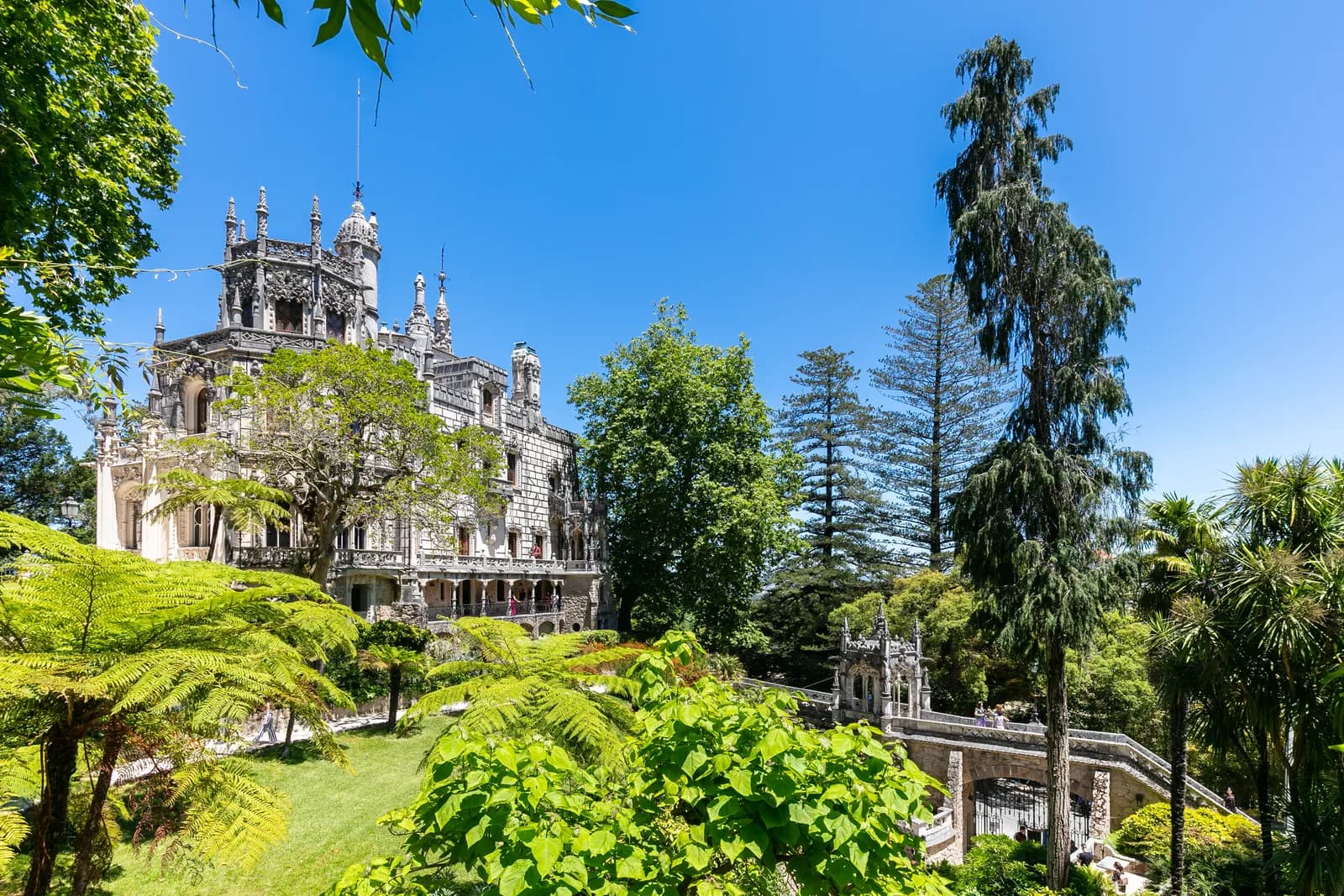
Quinta da Regaleira
Sintra's garden of wells, grottoes and tunnels, the easier Sintra option from the ship
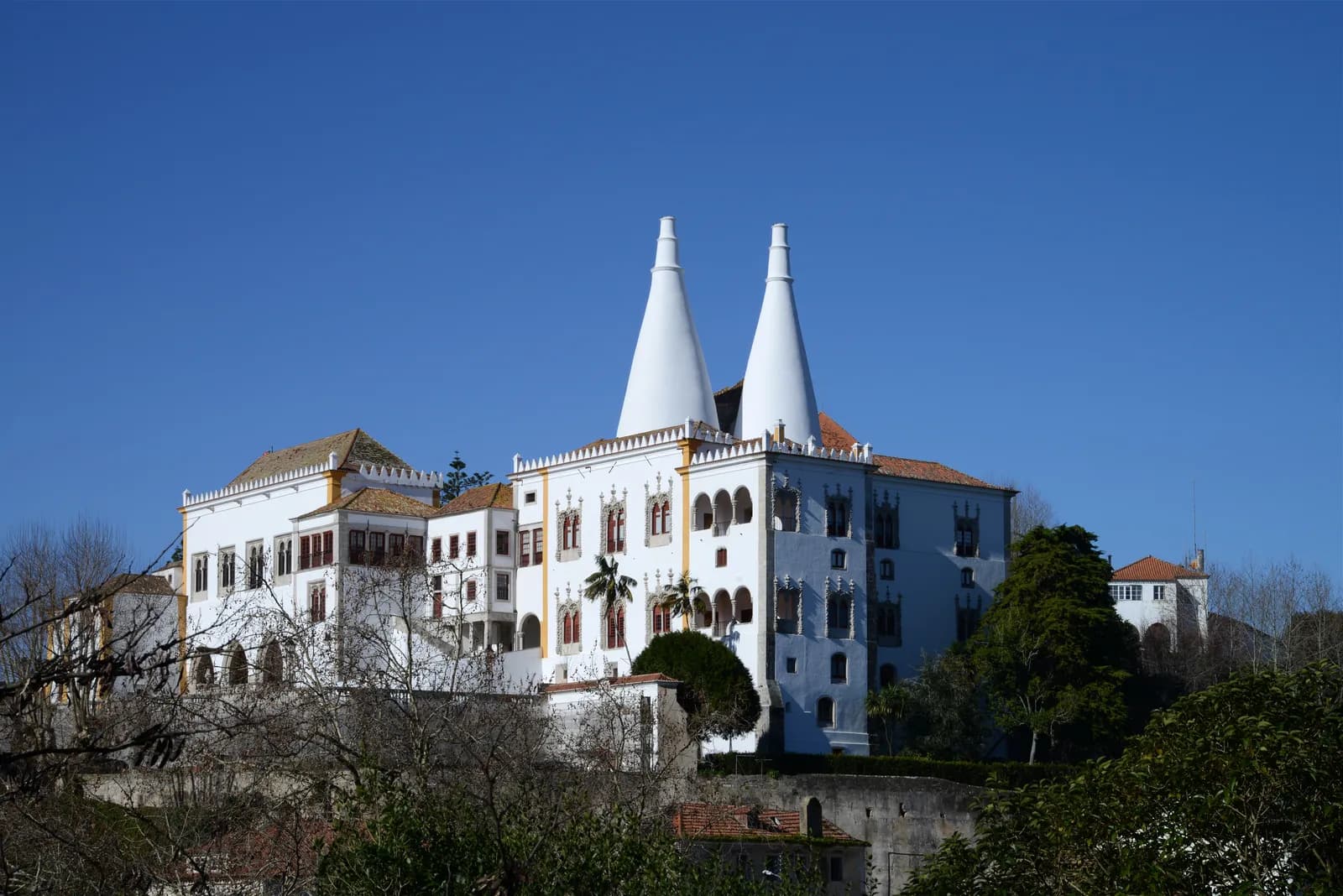
National Palace of Sintra
The palace in Sintra's town centre: walkable from the station, mostly indoors and the simplest Sintra visit to fit into a port day.
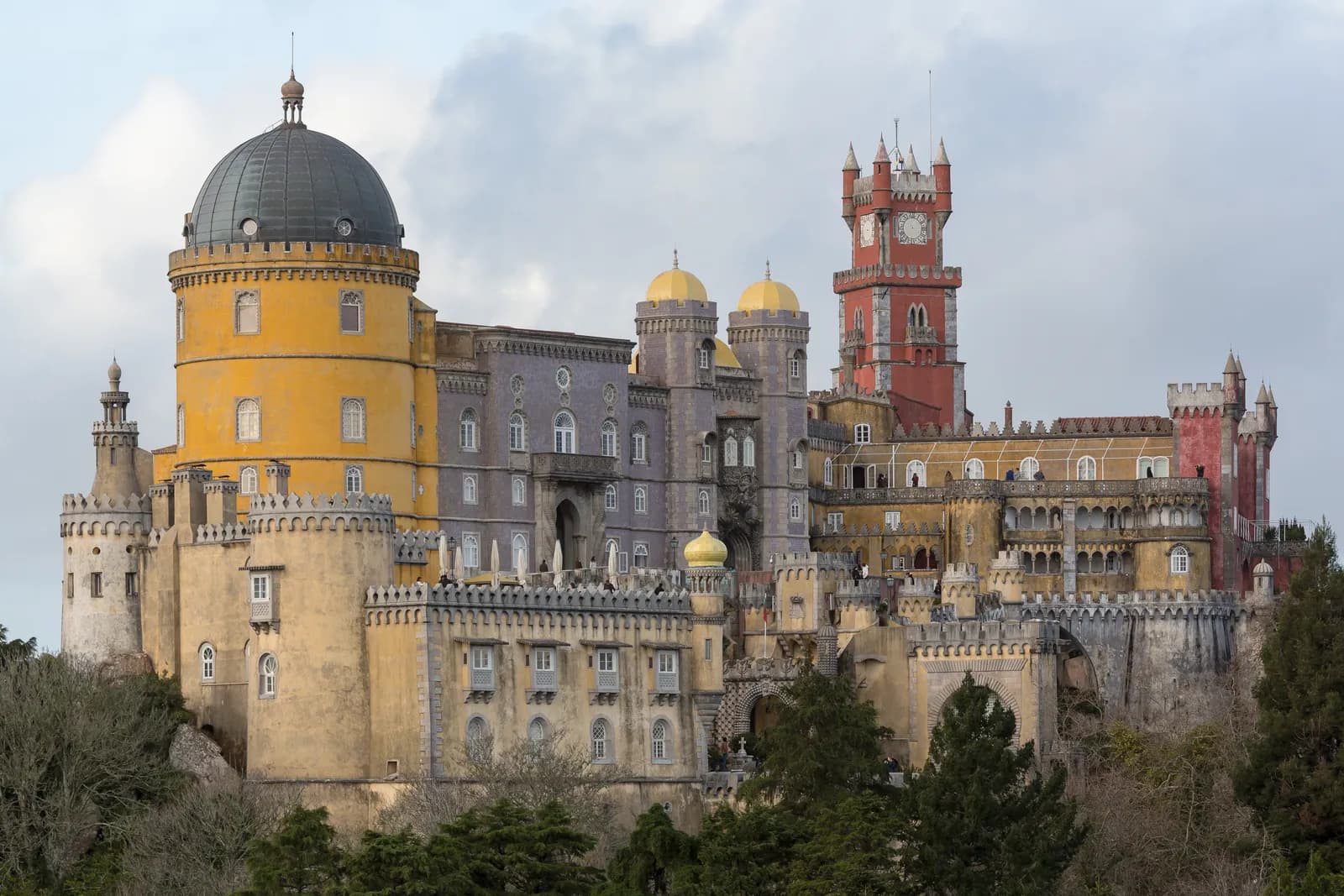
Palácio Nacional da Pena
Sintra's hilltop palace: spectacular, but only realistic on a long port call
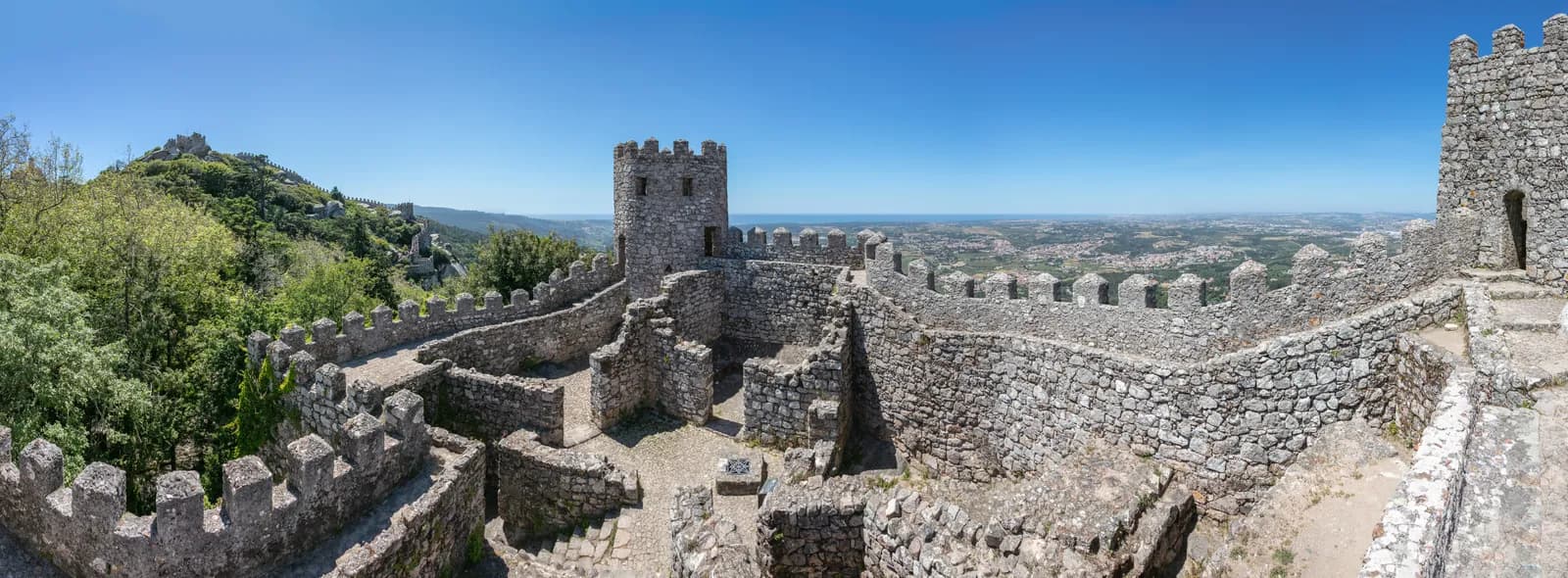
Castelo dos Mouros
Granite walls on the ridge beside Pena: the cheaper, untimed way to Sintra's big views, best on a clear day.