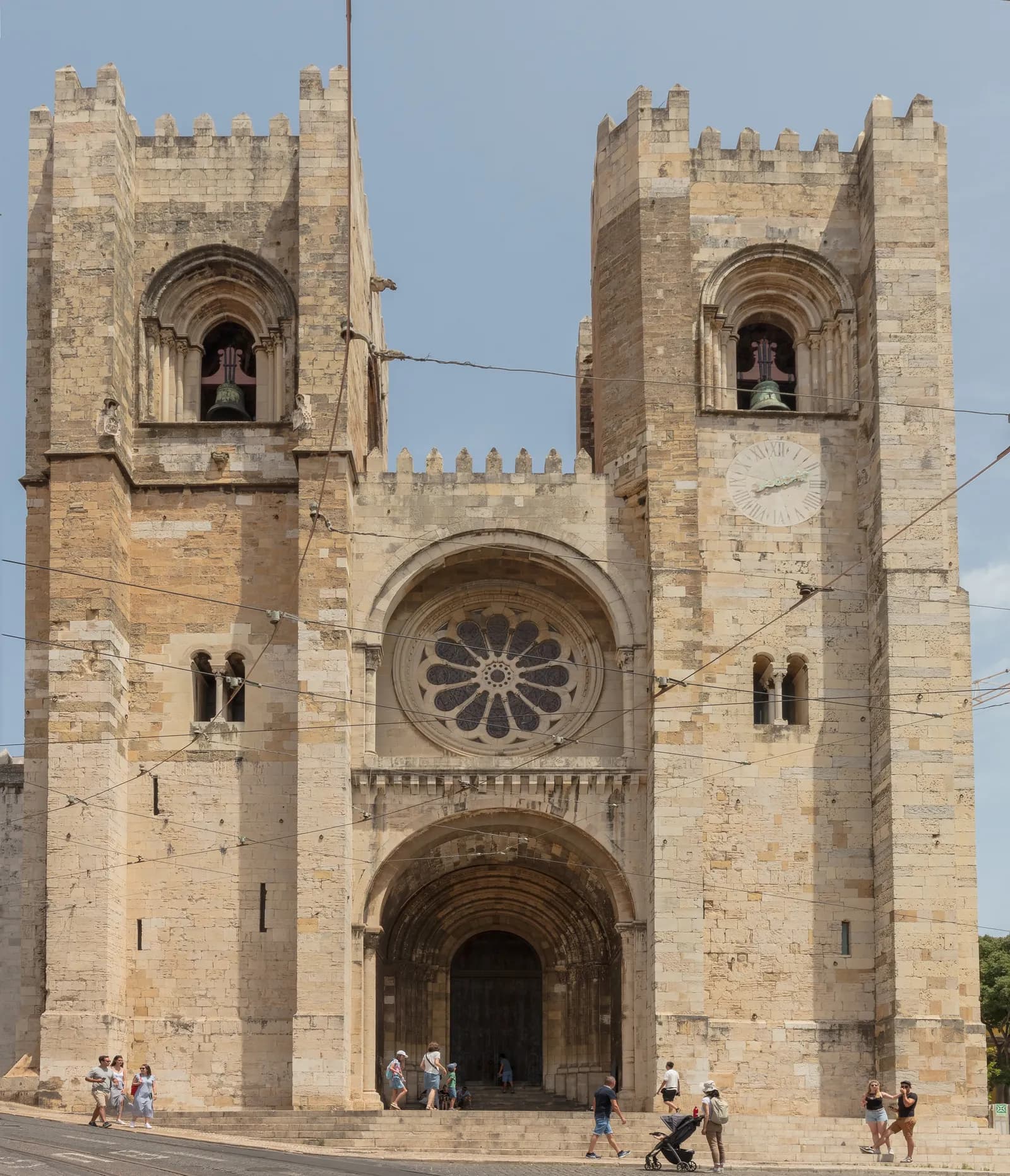
Sé de Lisboa (Lisbon Cathedral)
Lisbon's 12th-century cathedral, a short uphill walk from the ship
Listing reviewed October 2026 · Confirm hours and prices with the official venue before visiting
Opening Hours
10:00 - 18:00
Admission Price
€7 per adult
Visit Duration
30–45 minutes
About This Attraction
The Sé is the closest major monument to the cruise terminal: about 850 m and 13 minutes on foot, uphill but short, on the western edge of Alfama. It works as a quick first stop, or as the place to board Tram 28E, which stops outside on its way up to the viewpoints and the castle. Two things catch cruise passengers out. First, the cathedral is closed to tourist visits on Sundays and holy days, so check your port day. Second, sightseeing is not free: a tourist ticket (adult €7) is required, while a separate area stays open free of charge for prayer. The ticket covers the naves, the ambulatory behind the altar, the climb to the High Choir and the Treasury museum. Last entry is 17:30 from November to March and 18:30 from April to October. If time is short, look at the fortress-like façade from Largo da Sé, go straight up to the High Choir for the view down the nave and through the rose window, and finish in the Treasury, whose showpiece is a monstrance set with more than 4,000 precious stones. That takes 30 to 45 minutes. The Gothic cloister and archaeological area have been closed for a long restoration; reopening was announced for 2026, so ask at the entrance before counting on them. Between about 10:00 and 15:00 the square fills with tour groups and tuk-tuks. Opening time (10:00 in winter, 09:30 in summer) is the calmest. This is a working cathedral, so modest dress and quiet near the prayer area are expected. Inside it is plain compared with Lisbon's Baroque churches; if you have only an hour ashore, the viewpoints a few minutes uphill may be the better use of it.
History
Building began soon after Afonso Henriques took Lisbon in 1147, on the site traditionally identified as the city's main mosque; the first bishop was the English crusader Gilbert of Hastings. The twin towers and battlements are a reminder that a 12th-century cathedral also had to be defensible. King Dinis added the Gothic cloister and Afonso IV the ambulatory, where 14th-century tombs remain. The 1755 earthquake destroyed the main chapel, which was rebuilt in 18th-century style. In the 20th century restorers stripped many later additions to recover a Romanesque look, so much of the 'medieval' exterior is a reconstruction. By tradition, St Anthony of Lisbon was baptised in its font.
Why It Matters
The Sé is the seat of the Patriarch of Lisbon and the oldest church in the city still in use. Its Romanesque nave, Gothic ambulatory and post-1755 main chapel show, in one building, phases of Lisbon's history that the earthquake erased elsewhere. It is also the traditional starting point for pilgrims walking the Portuguese Way of St James from Lisbon.
Photo Gallery
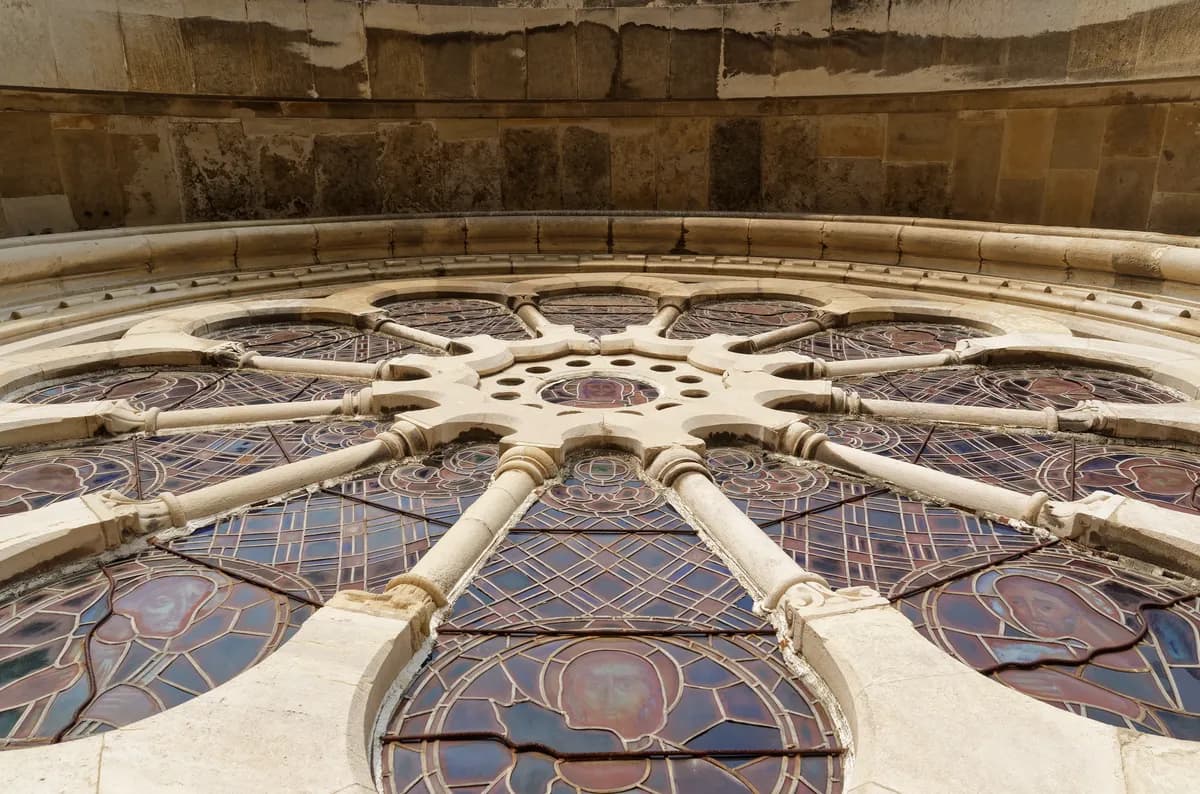
Sé de Lisboa (Lisbon Cathedral). Photo: Jakub Hałun, CC BY 4.0, via Wikimedia Commons
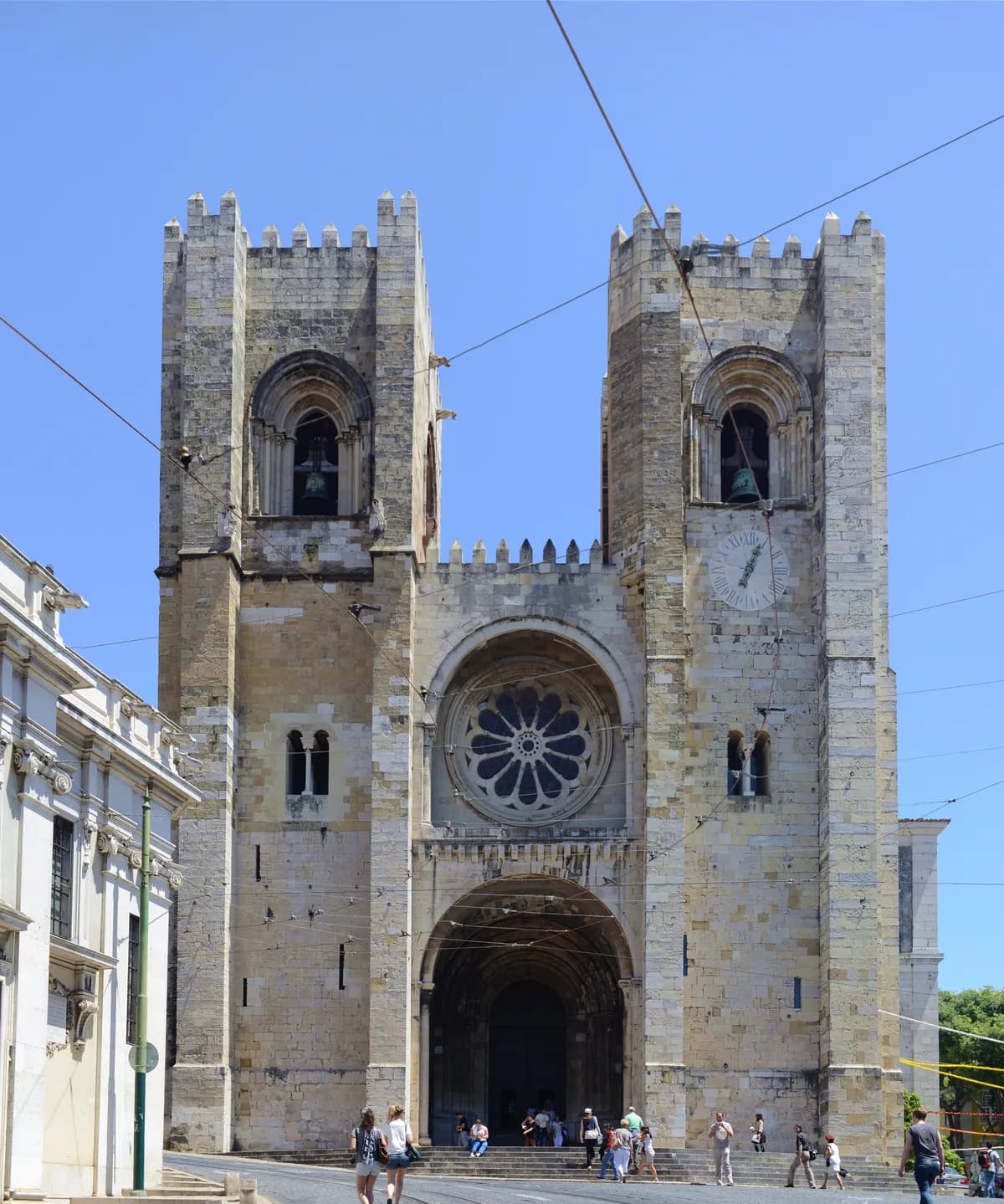
Sé de Lisboa (Lisbon Cathedral). Photo: Alvesgaspar, CC BY-SA 3.0, via Wikimedia Commons
Tips for Cruise PassengersEssential Info
13-minute uphill walk from the terminal on cobbled streets. The nave is at street level; the High Choir is reached by stairs.
Time from port: 1–1.5 hours including the walk from the ship and back
Closed to tourist visits on Sundays and holy days, and on Christmas Day and New Year's Day.
Tourist entry is €7 for adults; children 7–12 pay €5 and under-7s go free. The Lisboa Card gives a reduced €5 ticket, not free entry.
Last entry is listed as 17:30 (November–March) and 18:30 (April–October), but the ticket page says 45 minutes before closing; arrive by 17:15 or 18:15 to be safe.
Go up to the High Choir first: it is included in the ticket and gives the best view of the nave.
The optional Sé Digital supplement (+€3) adds a smartphone guide with audio in six languages, including English.
Board Tram 28E at the stop outside if you want to ride up to Santa Luzia and Portas do Sol rather than climb.
Ask at the entrance whether the cloister has reopened; it has been under restoration, with reopening announced for 2026.
The walk back to the terminal is downhill and takes about 13 minutes.
What Makes This Special
- starRomanesque façade with twin towers and battlements
- starHigh Choir, reached by stairs, with a view down the nave (included in the ticket)
- starTreasury museum, including a monstrance set with more than 4,000 precious stones
- starGothic ambulatory with 14th-century tombs
- starRose window over the main entrance
- starFont where, by tradition, St Anthony of Lisbon was baptised
- starTram 28E stop right outside
- starGothic cloister and archaeological area (reopening announced for 2026; check on arrival)
Getting There
Address
Largo da Sé, Lisbon
From Cruise Port
About 850 m and 13 minutes on foot, uphill but short. Tram 28 stops outside the cathedral, making it a good place to board if you want to ride the line.
Nearby Attractions
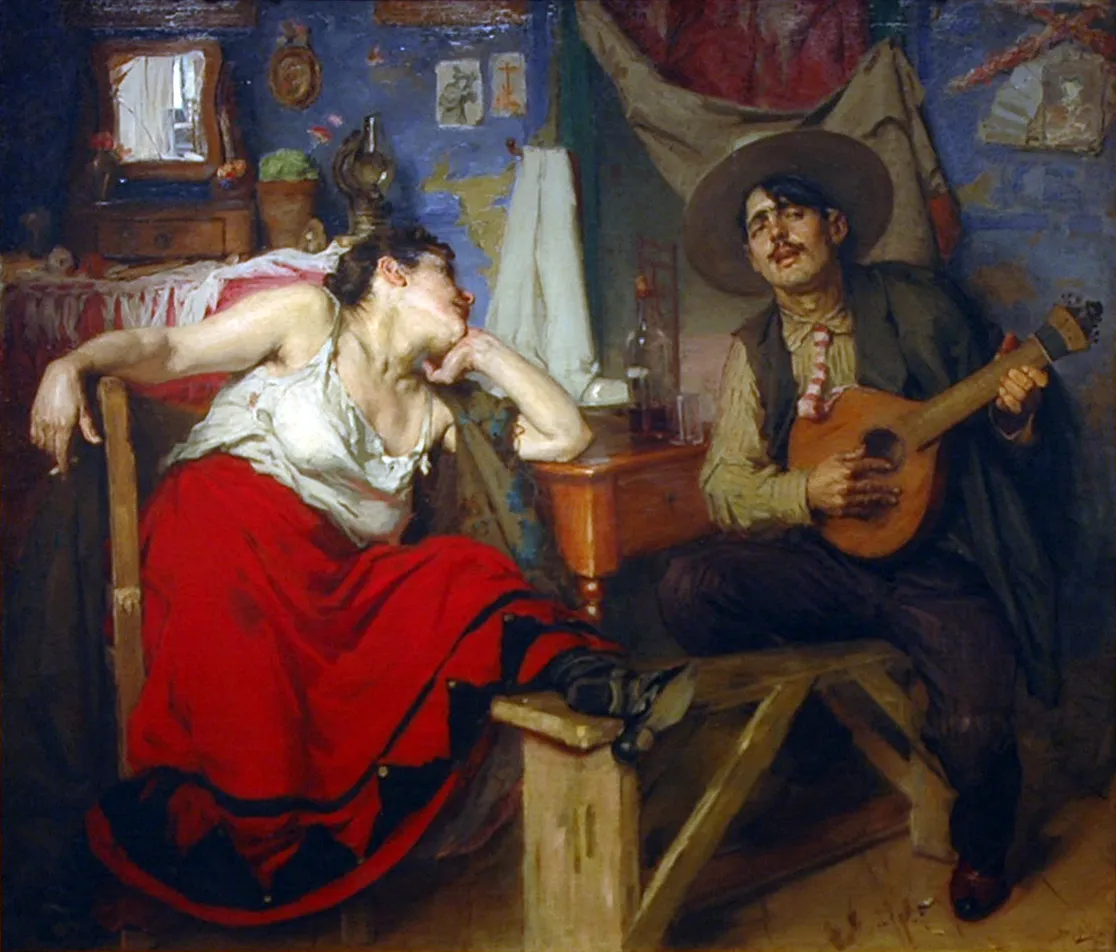
Clube de Fado
A fado house below the Sé, founded by a guitarist, six minutes on foot from the cruise terminal.
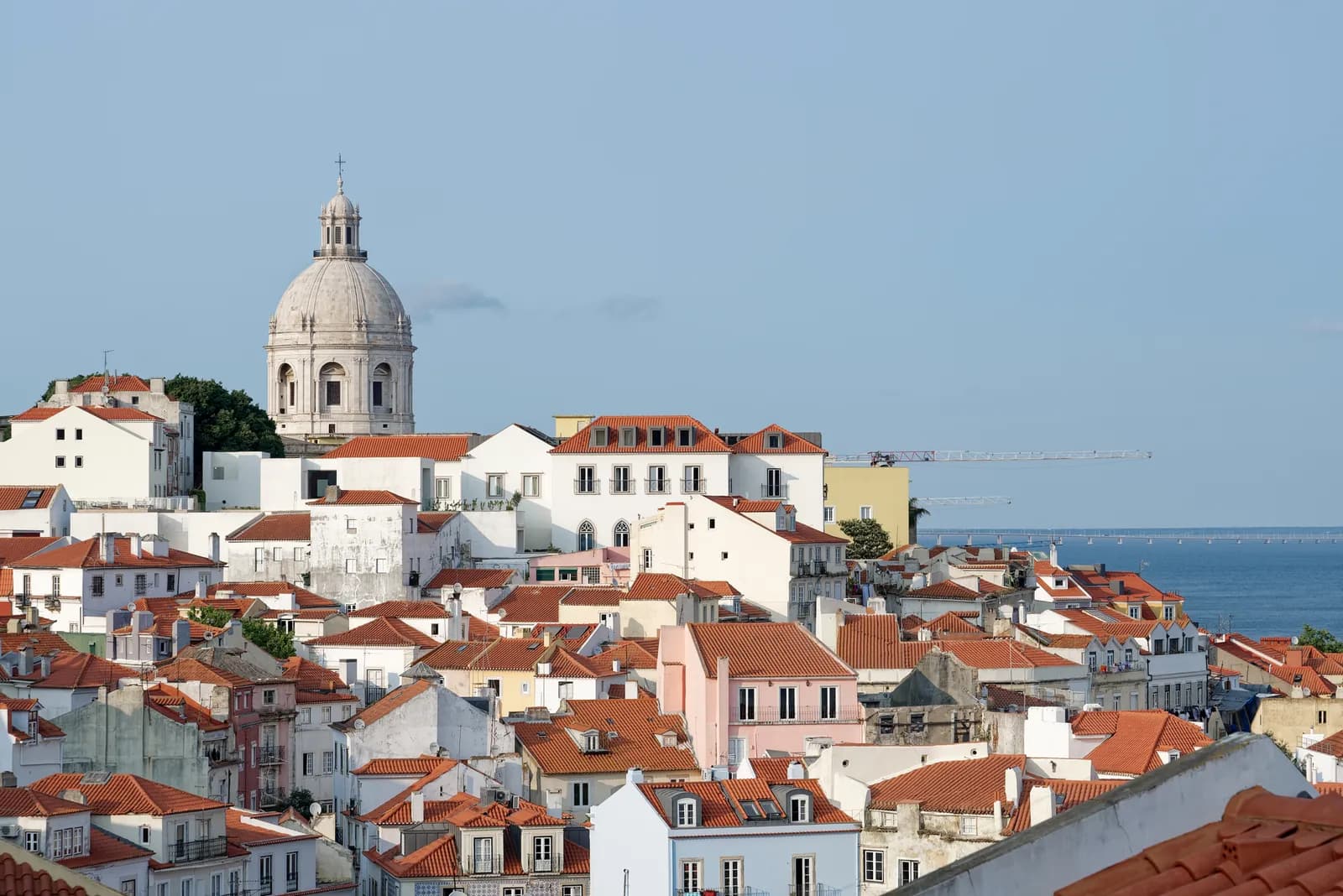
Miradouro de Santa Luzia
Tiled terrace viewpoint over Alfama and the river, next door to Portas do Sol
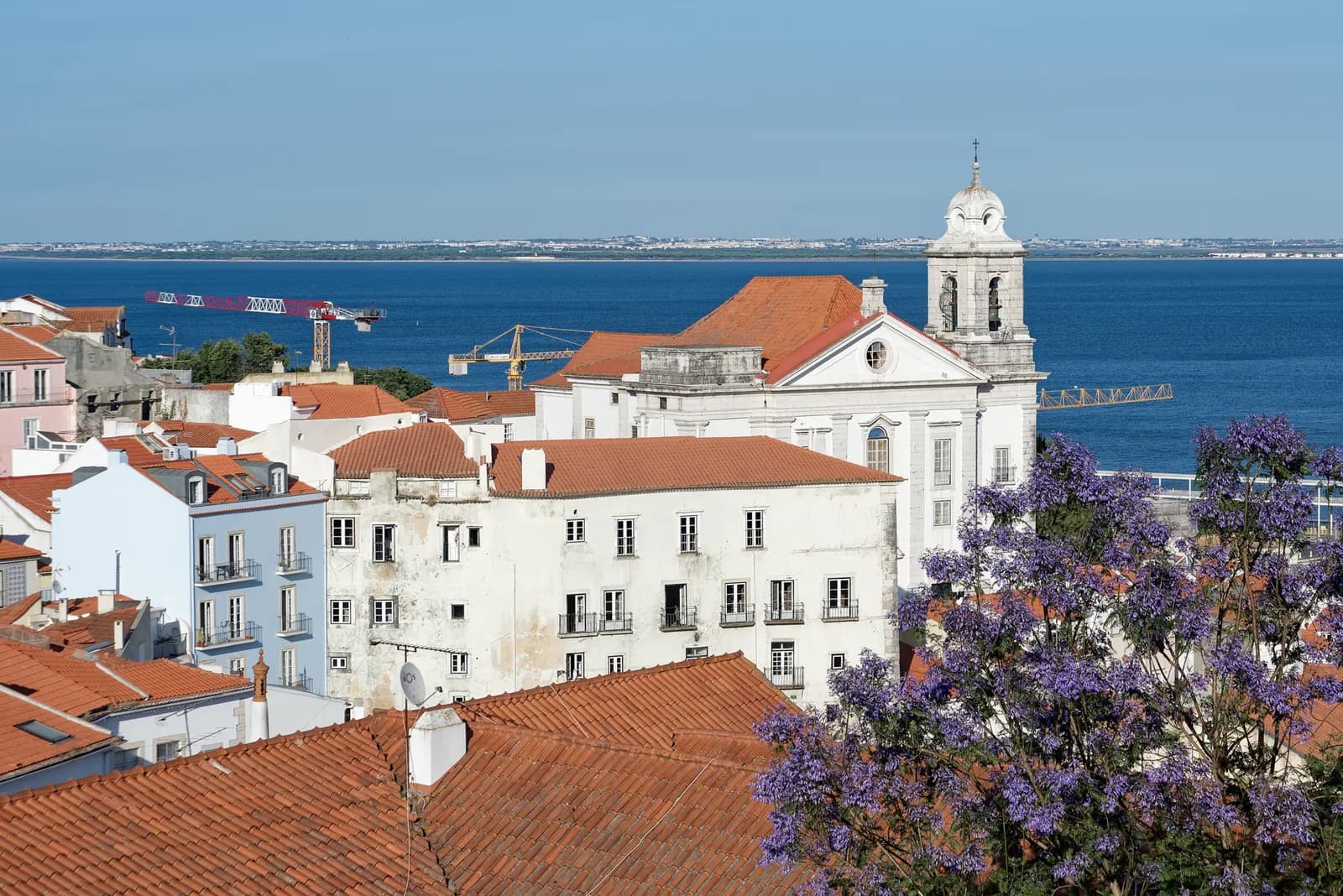
Miradouro das Portas do Sol
Wide viewpoint over Alfama and the river, with tram stop, taxis and a café
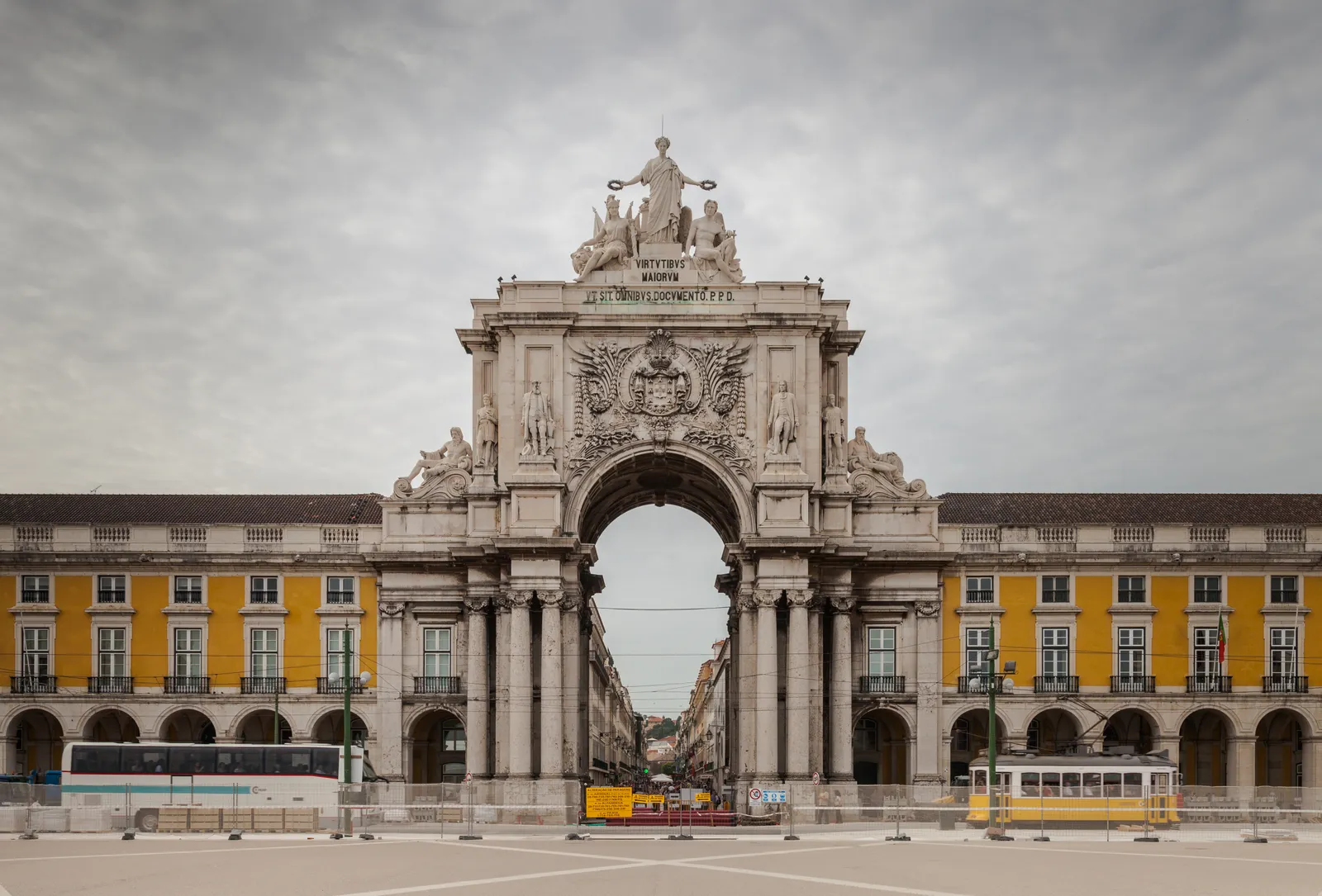
Arco da Rua Augusta
A lift and a short stair climb to a rooftop terrace over Praça do Comércio, 14 minutes' walk from the ship