Lisbon Cruise Terminal: The Complete Arrival Guide
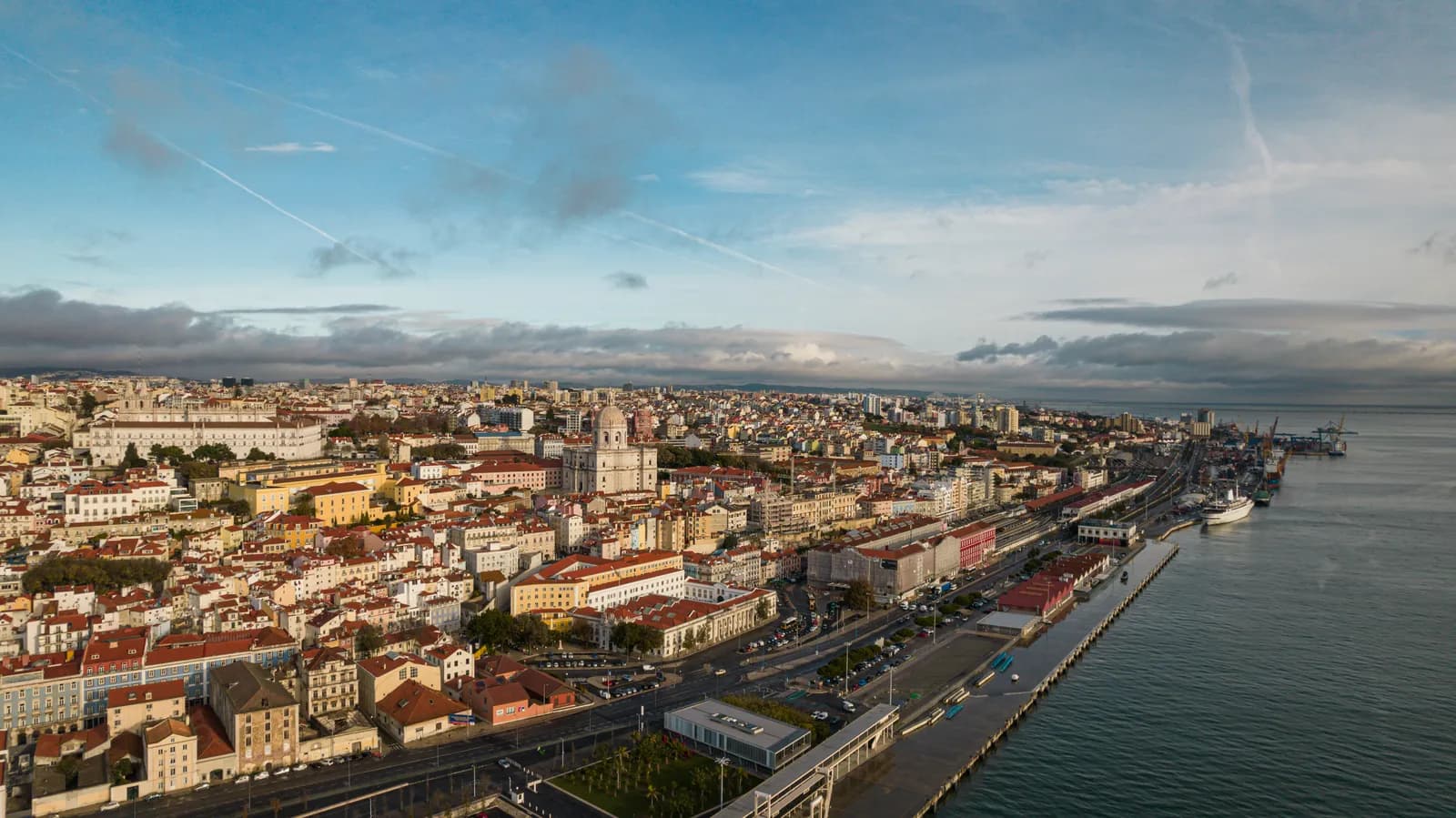
The single most useful thing to know before your Lisbon port day is which quay your ship is actually using. Lisbon is unusual among big cruise ports: the main terminal is genuinely walkable to the historic centre, but the secondary docks are a solid 5–6 km away on the other side of town. Passengers who assume "Lisbon" means one pier regularly lose an hour of their day to that mistake.
This guide covers every quay Lisbon uses for cruise traffic, what facilities each one has, and the realistic options — on foot, by taxi, by public transport — for getting from the gangway to the things you came to see.
The five docking areas, in plain terms
The Port of Lisbon spreads its cruise calls across five berths on the north bank of the Tagus. In practice they group into two zones:
- anchorSanta Apolónia / Jardim do Tabaco (east zone) — the main Lisbon Cruise Terminal, opened in 2017, directly below Alfama. If your ticket says Lisbon Cruise Terminal, LCT, Santa Apolónia, Santa Apolónia Jusante or Jardim do Tabaco Quay, you are docking here. This is the best-case scenario: you can walk into the old town.
- anchorAlcântara and Rocha do Conde de Óbidos (west zone) — about 5–6 km west of the centre, near the 25 de Abril bridge and closer to Belém. These berths mostly take smaller ships and overflow days when several ships call at once.
Check your cruise line app or the daily programme the night before arrival — the berth is usually confirmed by then. On multi-ship days, do not rely on what the port looked like on someone's blog.
Docking at Santa Apolónia / Jardim do Tabaco
The main terminal sits on the riverfront directly below Alfama, Lisbon's oldest neighbourhood. The terminal building itself is modern and efficient: passport control when needed, a taxi rank, tourist information, and a rooftop terrace with a genuinely good view of the river.
Distances from the gangway, on foot: the edge of Alfama is essentially across the road; Praça do Comércio, the grand riverfront square that anchors downtown, is about 1.5 km — a flat, 20-minute walk along the water; the Sé cathedral is around 15 minutes, though uphill.
That flat riverside walk to Praça do Comércio is the best free orientation exercise in Lisbon. You pass the Campo das Cebolas gardens, the Casa dos Bicos with its diamond-pointed façade, and arrive at the square through its eastern arcade. From there the whole Baixa grid, Rua Augusta and the Arco da Rua Augusta open up in front of you.
Public transport from this zone: Santa Apolónia is also a metro station (Blue Line, end of the line) and a mainline train station, both a short walk from the terminal. The Blue Line takes you to Baixa-Chiado in two stops. The iconic Tram 28 passes through nearby Alfama, though boarding it at busy hours anywhere in the old town means queueing.
Docking at Alcântara or Rocha do Conde de Óbidos
These two berths sit side by side in the port's working zone, under and just east of the 25 de Abril bridge. There is no old town at your doorstep here — the immediate surroundings are docks, a marina and busy avenues — but you are noticeably closer to Belém, which changes the calculus of your day.
From Alcântara it is roughly 3 km to the Mosteiro dos Jerónimos and Torre de Belém, and about 5–6 km east to Praça do Comércio. The 15E tram and the Cascais-line suburban train both run along this corridor: tram stop Alcântara-Mar or train station Alcântara-Mar connect you west to Belém in under 10 minutes or east to Cais do Sodré (downtown edge) in about the same.
A sensible plan when docked here is to do Belém first thing in the morning — you are already halfway there, and the monastery queues only grow — then ride into the centre for the afternoon. If you were planning our terminal-to-Belém guide route in reverse, this is the day it pays off.
One practical warning: the walk from these berths to anywhere interesting involves crossing wide, fast roads and railway lines at specific crossing points. Follow the signed pedestrian exits rather than improvising a shortcut across the port area.
Taxis, apps and shuttles
Taxis wait at every terminal on ship days. A ride from Santa Apolónia to Praça do Comércio should be a modest fare on the meter; from Alcântara into the centre expect a little more. Lisbon taxis charge by meter within the city — insist on it if a driver proposes a flat "cruise price". Uber and Bolt both operate widely in Lisbon and pick up at or just outside the terminals; on busy mornings the app price is often lower than the rank.
Some cruise lines run a paid shuttle to Praça do Comércio or Rossio. From Santa Apolónia it is rarely worth it — the walk is shorter than the queue — but from Alcântara a shuttle into the centre can be decent value if you are not going to Belém first.
If your mobility is limited, the flat riverside route from the main terminal is one of the most wheelchair-friendly approaches to a historic centre of any cruise port in Europe; see our accessibility guide for the full picture.
Money, SIMs and last-minute practicalities at the terminal
- anchorThere are ATMs (Multibanco) at the terminals and everywhere in town. Use bank ATMs and decline dynamic currency conversion — always choose to be charged in euros.
- anchorThe terminal WiFi is adequate for messages. If you need data, EU roaming covers EU SIM holders; others can pick up an eSIM online before the trip more cheaply than a physical SIM at the port.
- anchorPublic toilets: inside the terminal before you exit. In town, use café toilets as a paying customer — free public facilities are rare.
- anchorWater and sunscreen: the riverside walk has little shade in summer. Lisbon sun on the water is stronger than it feels in the breeze.
- anchorAll-aboard buffer: from anywhere in downtown Lisbon, allow at least 45 minutes to be back on the gangway of the main terminal, and at least an hour and a quarter from Belém or from anywhere requiring a taxi at rush hour (16:00–19:00 is genuinely congested).
Which terminal should shape which day
To put it all together: docked at Santa Apolónia / Jardim do Tabaco, build your day around the old town — Alfama on foot, the Baixa, Chiado, and optionally a tram or taxi out to Belém if you have a long port call. Docked at Alcântara / Rocha, flip it: Belém in the morning, centre in the afternoon.
Whatever the berth, resist the temptation to "do everything". Lisbon rewards passengers who pick one zone and walk it properly over those who spend their port day in transit. Our itineraries by time in port lay out realistic plans for 4, 6 and 8 hours ashore.
Attractions mentioned in this guide
Alfama
Lisbon's oldest quarter begins across the road from the cruise terminal
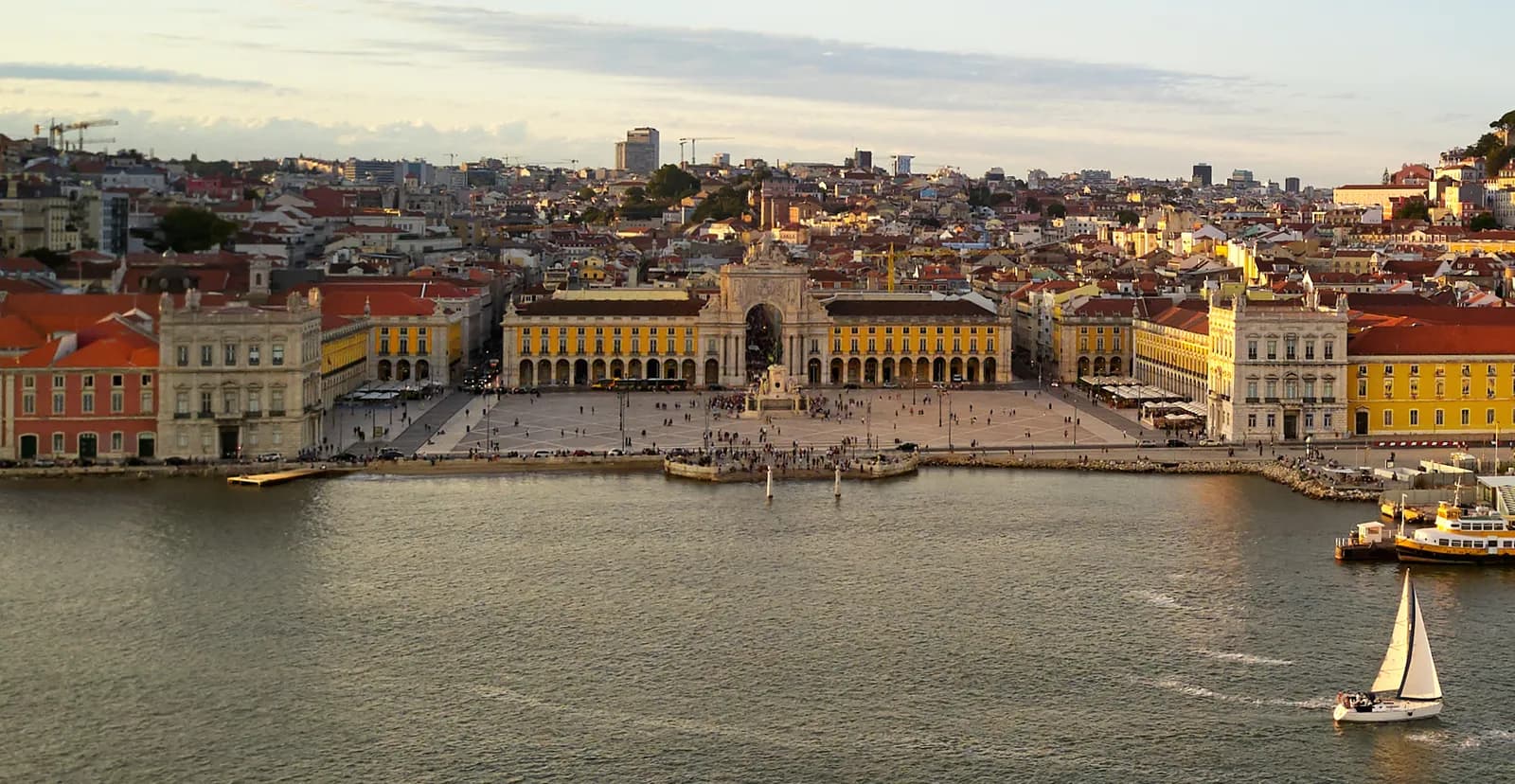
Praça do Comércio (Commerce Square)
The riverside square 14 minutes' flat walk from the cruise terminal, and the natural starting point for a port day in the Baixa
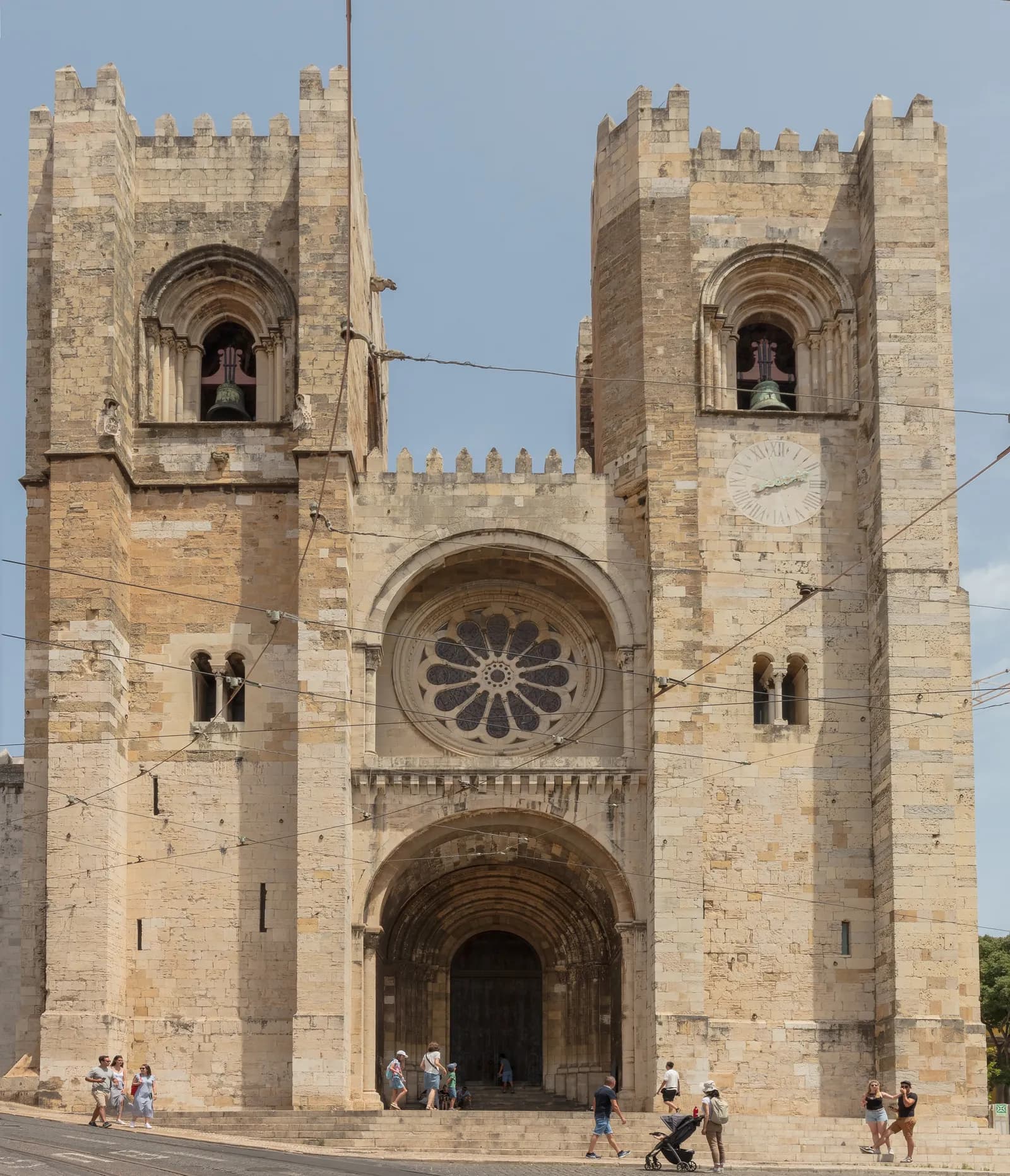
Sé de Lisboa (Lisbon Cathedral)
Lisbon's 12th-century cathedral, a short uphill walk from the ship
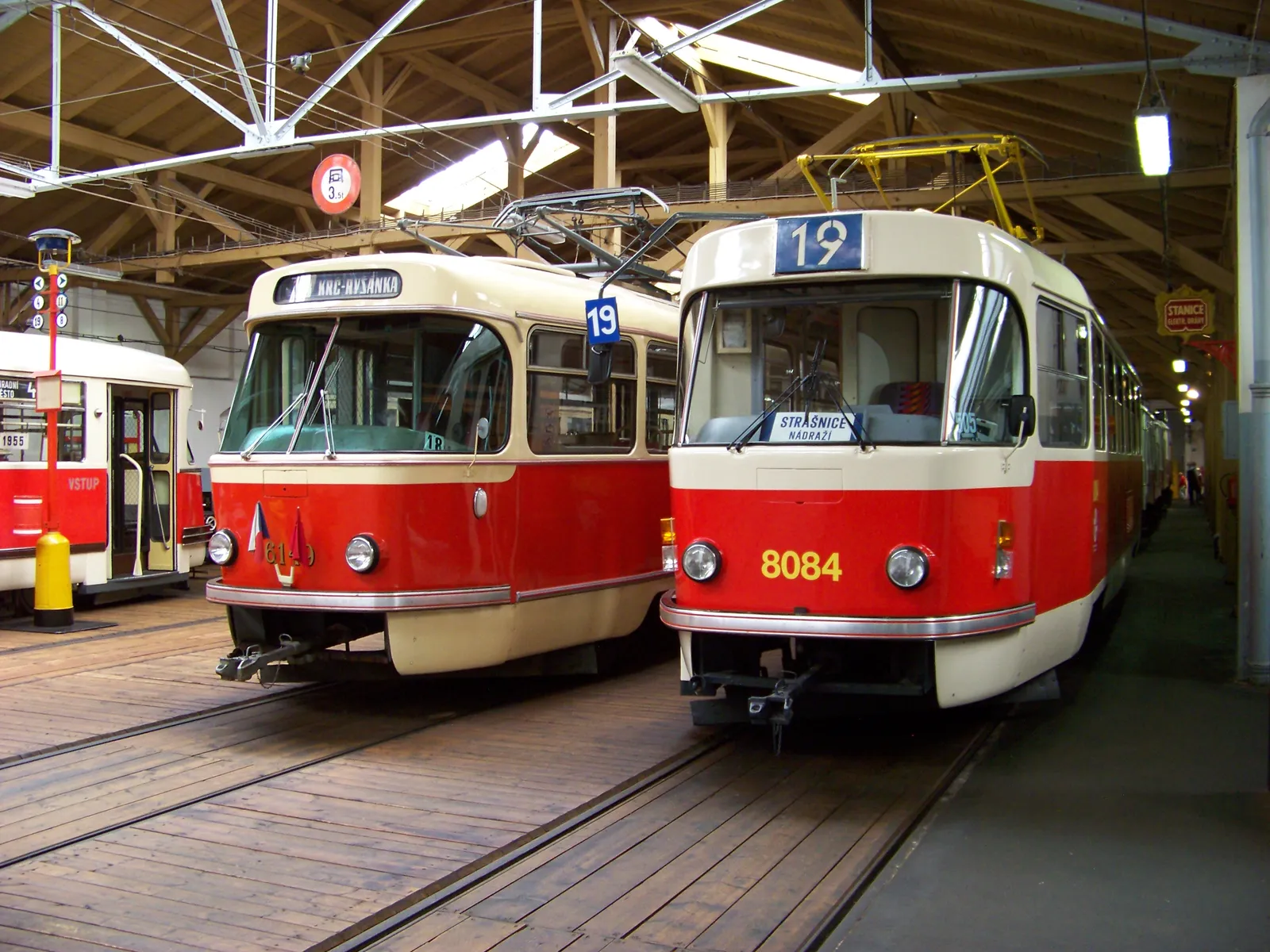
Tram 28 (Eléctrico 28)
A regular Carris public tram line through Graça, Alfama and Chiado: worth riding, if you plan around the queues