Lisbon After Dark on a Cruise: Fado, Sunset and Getting Back Late
Most cruise calls in Lisbon end at 17:00 or 18:00, which means most passengers see a daytime city and sail away just as it wakes up. If your ship stays until 22:00 or later, or overnights, you get the version of Lisbon that daytime visitors miss: dinner at a local hour, sunset from a viewpoint, fado in a small room and a lively street scene afterwards.
The terminal at Jardim do Tabaco is unusually well placed for this. Lower Alfama starts about 8 minutes on foot from the gate, and Cais do Sodré, where much of the nightlife is, is a flat 28-minute walk or a 10-minute taxi along the river. This guide covers how to plan the evening and, just as importantly, how to get back.
First, read the small print on your sailing time
Check two things in the daily programme: the all-aboard time and, on an overnight, whether the gangway stays open through the night or closes at a set hour. A 23:00 all-aboard is a very different evening from a 02:00 one. Work backwards exactly as you would in daylight: be back at the terminal comfortably before all-aboard, with 30 minutes spare for a slow taxi or a missed turning in the dark.
Keep your cruise card and a photo ID on you, and save the terminal location on your phone before you leave the ship. Lisbon has more than one cruise quay; our terminal guide explains how to confirm which one you are using.
Dinner timing: Lisbon eats later than you do
Lunch is the main meal in Portugal, usually between 12:30 and 15:00, and many traditional restaurants close their kitchens in the mid-afternoon and reopen around 19:00. Locals rarely sit down to dinner before 20:00, and 21:00 is normal. For you that is an advantage: a table at 19:00 or 19:30 is easy to find without booking, and you will be finished in time for sunset in winter or fado later on.
Two practical notes. The bread, olives and butter placed on the table (the couvert) are priced items; you may send them back if you do not want them, and by law you cannot be charged for anything you did not order or did not touch. And if you plan fado with dinner, do not eat twice: the fado house is the dinner. The money and safety guide covers the couvert and card payments in more detail.
Sunset: which viewpoint, and when
Lisbon's sunset moves a long way through the year: the earliest is around 17:15 in early December and the latest around 21:05 in late June. Check the exact time for your date and arrive 30 minutes early; the popular terraces fill up. Not every viewpoint faces west, so choose by the kind of light you want. Santa Luzia is the closest to the ship; Senhora do Monte is the one locals climb for the full panorama.
| Viewpoint | From the terminal | What you see at sunset |
|---|---|---|
| Santa Luzia / Portas do Sol | 15–20 min uphill walk, or a short taxi | Golden light on Alfama's roofs and the river; the sun sets behind you |
| Senhora do Monte | Taxi recommended (steep) | The widest panorama in the city, with the sun going down over it |
| São Pedro de Alcântara | 10 min taxi | The castle opposite lit orange; Bairro Alto starts next door |
| Santa Catarina | 10 min taxi | Faces west over the river and the 25 de Abril bridge; the sun itself |
| Castelo de São Jorge | 20 min uphill walk | Ramparts over the whole city; open until 21:00 from March to October |
Fado: how a fado house actually works
Fado, the urban song of Lisbon, has been on UNESCO's list of intangible cultural heritage since 2011, and hearing it live is the single best reason to stay ashore after dark. The traditional setting is a casa de fado: a small restaurant where a singer performs with a Portuguese guitar and a classical guitar between courses.
The format surprises first-timers. Musicians perform short sets of three or four songs, then take a break of 20–30 minutes while food is served, and this repeats through the evening. Most houses charge through a set menu or through à la carte with a minimum spend per person that covers the musicians; recent guides put a typical fado dinner at €50–80 per person. Dinner usually starts around 20:00–21:00, and the best singers often appear later in the night, which matters if your all-aboard is 23:00.
- anchorBook ahead, especially on Friday and Saturday. Ask what time the first set starts and whether a minimum spend applies.
- anchorSilence during the songs. No talking, no clinking cutlery, phone on silent. Staff stop serving when the lights dim.
- anchorAlfama or Bairro Alto? Alfama is closest to the ship and the more intimate setting; Clube de Fado, founded in 1995 by guitarist Mário Pacheco beside the Sé, is a long-established example. Bairro Alto has more houses and puts you in the bar district afterwards.
- anchorFado vadio is amateur fado in neighbourhood taverns, where anyone may sing. It is far cheaper, sometimes just the price of your drinks, but schedules are informal.
- anchorShort on time? One-hour concert-style fado shows without dinner run early in the evening, typically for €10–20, and suit a ship leaving at 21:00 or 22:00.
If your ship leaves before dark, the daytime alternative is the Museu do Fado at the foot of Alfama, 15 minutes from the terminal.
Bairro Alto and Pink Street
Bairro Alto is a grid of narrow lanes above Chiado where tiny bars spill onto the street. It is quiet at 20:00 and packed after midnight, so for most cruise passengers the best version is an early drink after dinner and a walk down to the viewpoints. Pink Street is the nickname of Rua Nova do Carvalho in Cais do Sodré, a former sailors' quarter whose pavement was painted pink during a regeneration in the early 2010s. It is closer to the river and to a flat route back to the ship.
One 2026 rule change affects the classic "drink in the street" scene. Since January 2026, Lisbon has banned the sale of alcohol for consumption outside the premises from 23:00 to 08:00 Sunday to Thursday, and from midnight to 08:00 on Fridays, Saturdays and the eves of public holidays. Bars still serve inside, but takeaway cups stop at those hours.
Staying safe at night
Lisbon is a relaxed city at night and the central districts stay busy until late. The realistic risks are small and predictable:
- anchorPickpockets in crowds: Bairro Alto after midnight, packed trams, busy squares. Front pocket, zipped bag, phone not on the table.
- anchorStreet sellers whispering "hashish, cocaine" in the Baixa and Bairro Alto. Ignore them and keep walking; police have described much of what they sell as bay leaves and flour, and buying anything is a bad idea either way.
- anchorThe pavement. Lisbon's polished limestone calçada is slippery when wet or worn, and Alfama's stairways are poorly lit. Wear shoes with grip and take a taxi rather than a dark staircase shortcut.
- anchorDrink the local way. Portuguese nights are long and slow; a missed ship after one ginjinha too many is a very expensive souvenir.
Getting back to the terminal late
You have three reliable options. The metro runs from 06:30 until about 01:00, when the last trains leave the end stations; the Blue Line ends at Santa Apolónia, about 10 minutes on foot from the terminal. Taxis are metered and switch to the night tariff from 21:00 to 06:00, about 20% more than by day; they are still inexpensive for the short hop from Bairro Alto or Cais do Sodré (roughly 10 minutes by road). Uber and Bolt operate throughout Lisbon, quote the price up front and log the route, which many passengers prefer late at night.
From Cais do Sodré you can also walk back along the flat riverside in about 28 minutes, past Praça do Comércio. It is well lit and busy on summer evenings; on a quiet winter night after midnight, a taxi is the more sensible choice. Give the driver "Terminal de Cruzeiros de Lisboa, Santa Apolónia" to avoid confusion with the western quays.
The morning after: use the early hours
An overnight call gives you something rare: Lisbon before the day-trippers arrive. The streets are quiet until about 10:00, and several of the big sights open early.
- anchorCastelo de São Jorge opens at 09:00; be at the gate then and the ramparts are nearly empty.
- anchorThe Feira da Ladra flea market runs on Tuesdays and Saturdays from 09:00 in Campo de Santa Clara, a 15-minute uphill walk from the terminal.
- anchorBelém at opening time: Jerónimos opens at 09:30 (closed Mondays). See terminal to Belém for transport.
- anchorThe Alfama walk before 10:00, when the lanes belong to residents; follow our route from the port.
Whatever you choose, the second day ends with a normal all-aboard. Plan it with the same buffer as any port day; the itineraries by hours in port help you size it.
Attractions mentioned in this guide
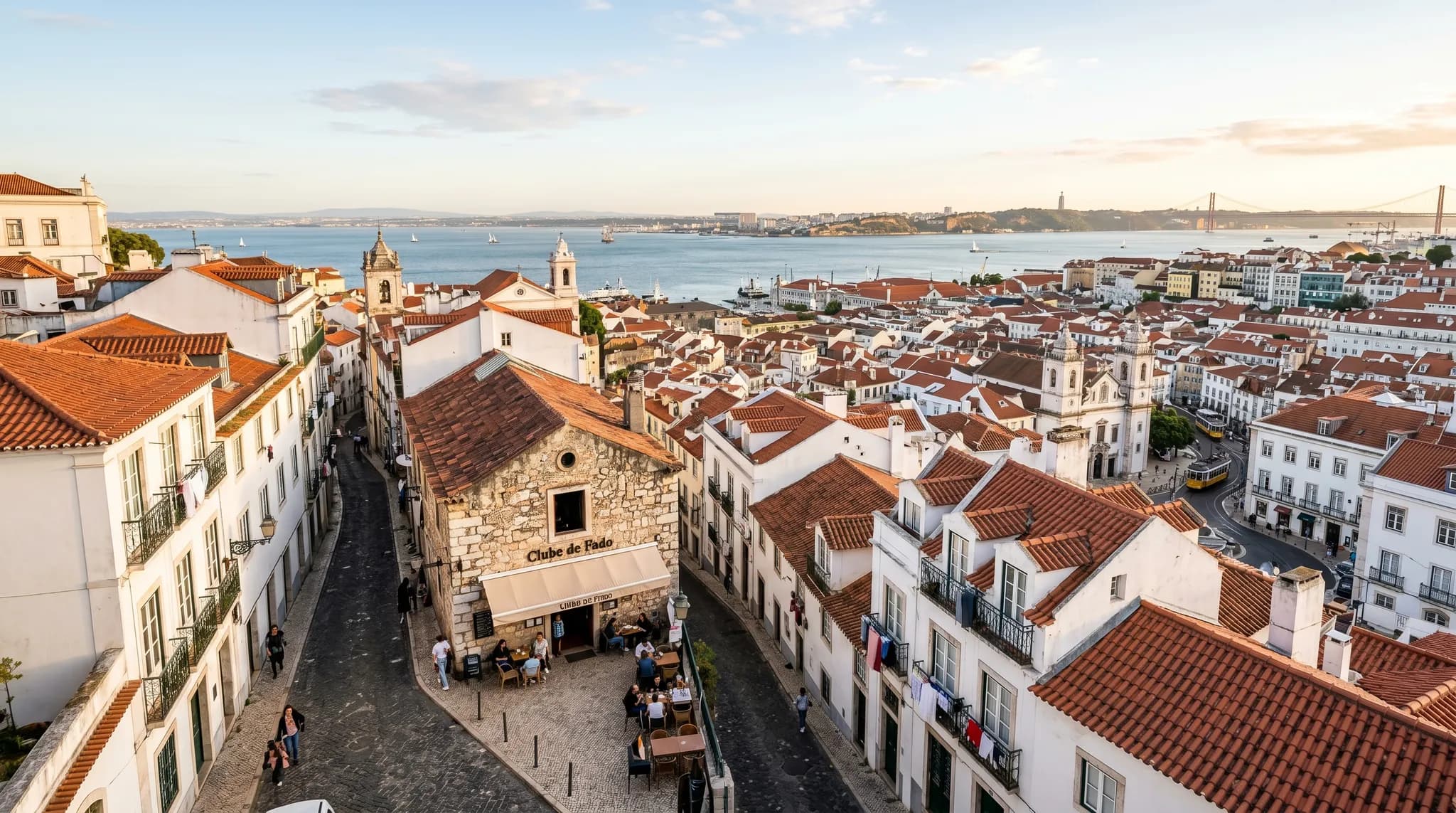
Clube de Fado
Experience authentic Portuguese soul through traditional Fado music in historic Alfama
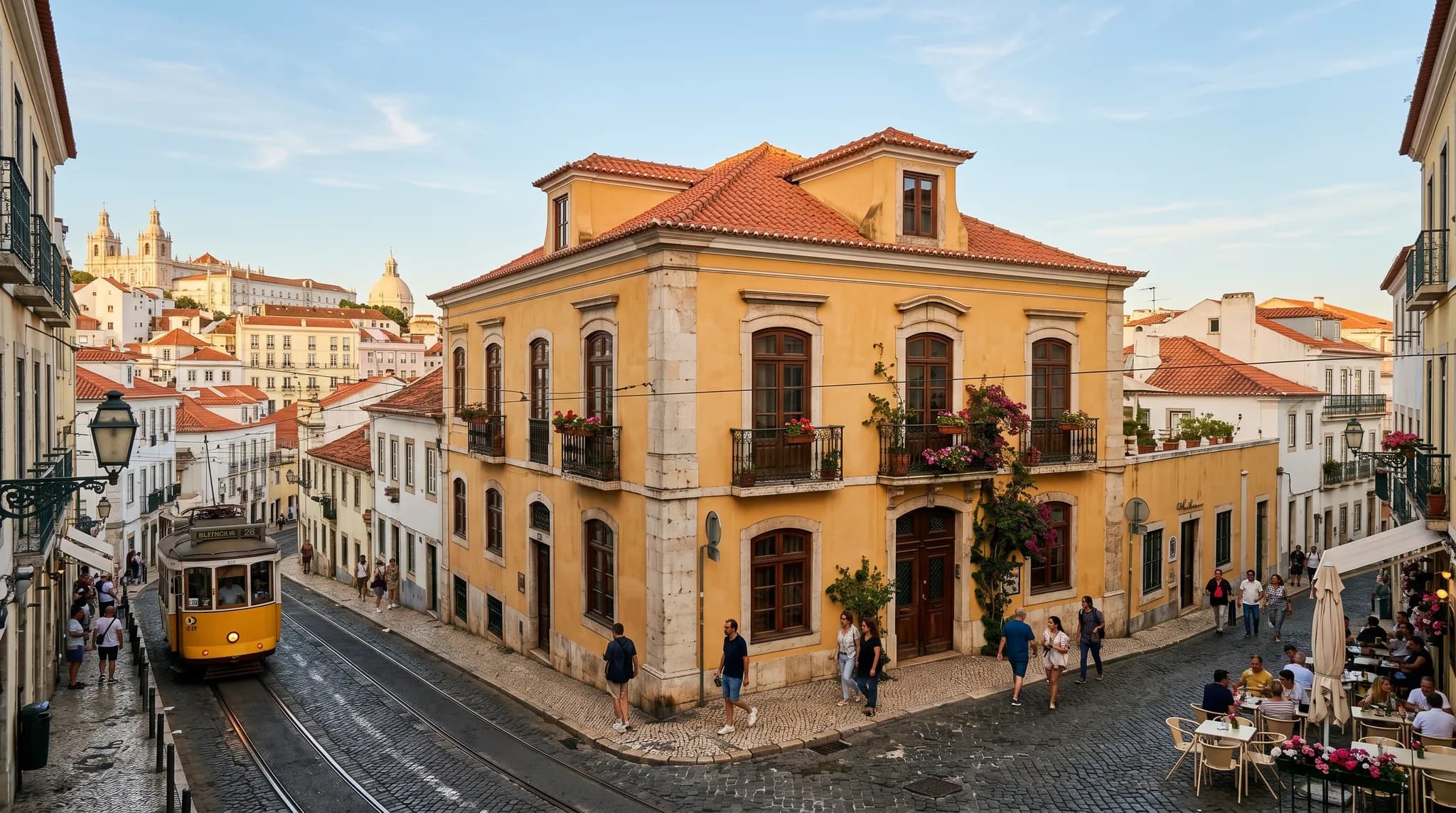
Museu do Fado (Fado Museum)
A compact museum of Lisbon's own music, six minutes' flat walk from the ship
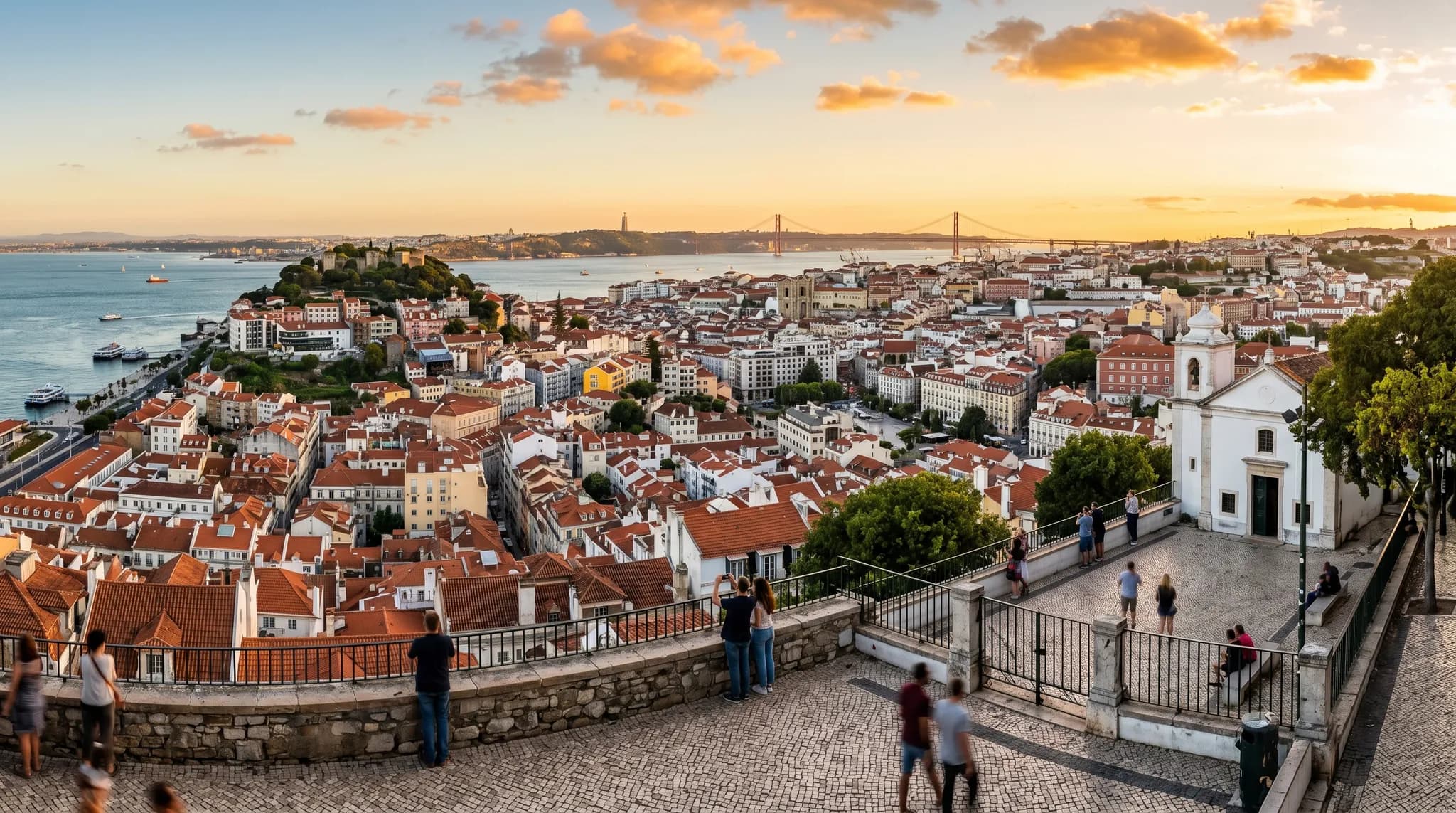
Miradouro da Senhora do Monte
Lisbon's highest viewpoint - A mystical and romantic spot with breathtaking 210-degree panoramic city views
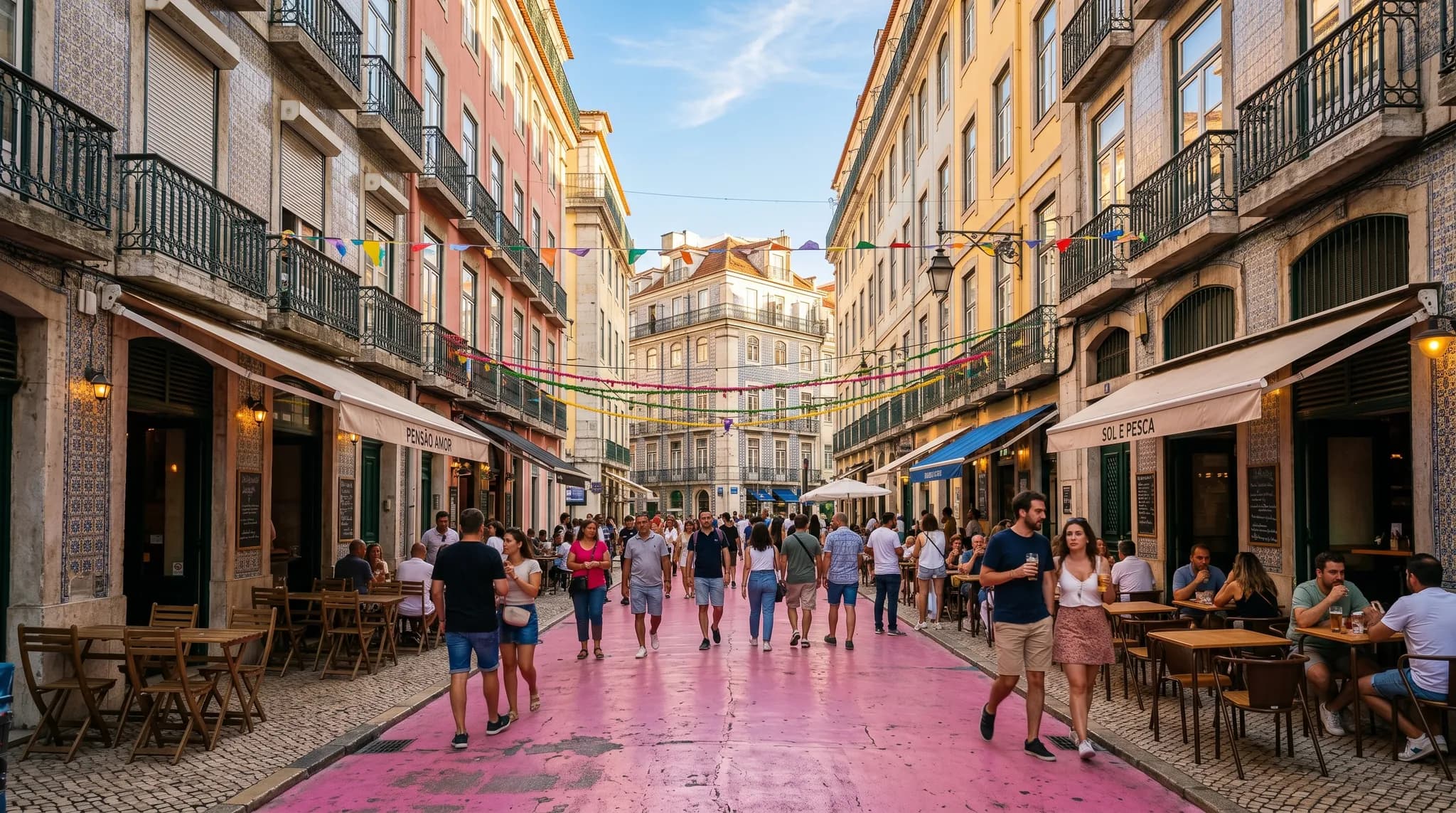
Pink Street (Rua Nova do Carvalho)
Lisbon's iconic pink-paved party street transformed from red-light district to nightlife hub